
TradeDeal – Siddaramaiah Demands PM’s Resignation Over US Pact
TradeDeal – Karnataka Chief Minister Siddaramaiah has launched a sharp attack on the recently unveiled interim trade framework between India and the United States, describing the arrangement as unfair and damaging to India’s long-term interests. He urged Prime Minister Narendra Modi to step down, alleging that the agreement compromises national sovereignty and weakens the country’s global standing.
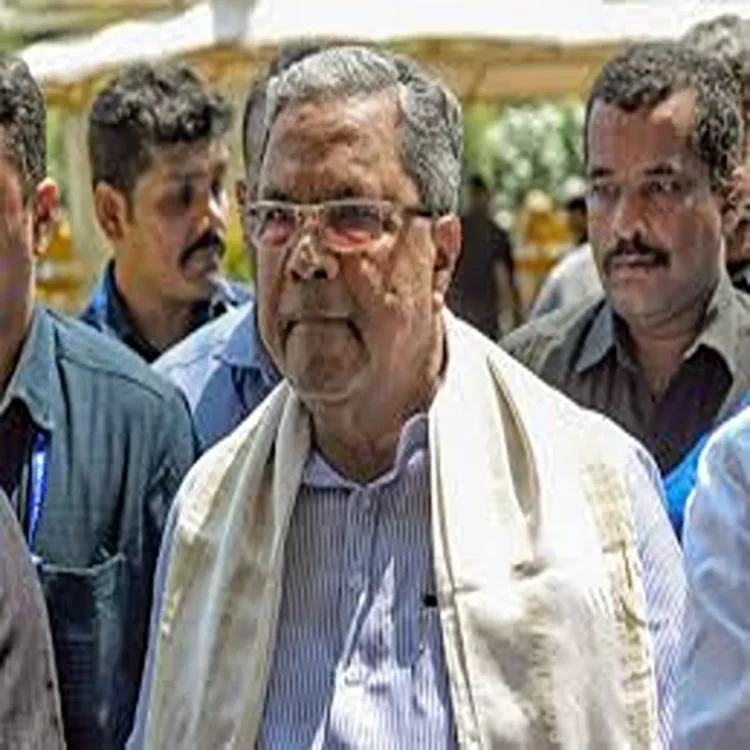
Strong Objections From Karnataka Chief Minister
In a detailed statement, Siddaramaiah argued that the trade framework reflects unequal negotiations rather than balanced diplomacy. According to him, the agreement emerged after the United States applied tariff pressure and issued public warnings regarding India’s trade and energy policies.
He maintained that accepting such conditions amounts to yielding under external pressure. “A leader who allows the country’s interests to be undermined cannot continue in office,” Siddaramaiah said, asserting that the Prime Minister must take responsibility for what he termed a blow to India’s dignity and independence.
The Chief Minister further claimed that the interim arrangement leaves India in a disadvantaged position, particularly in the agricultural sector.
Concerns Over Impact on Farmers
A central part of Siddaramaiah’s criticism focused on the reported tariff structure within the interim framework. He alleged that the United States would continue imposing an 18 percent tariff on Indian goods, while India would significantly reduce duties on American products, in some cases to zero.
He warned that such a move could expose Indian farmers to competition from subsidised American agricultural goods. With millions of families dependent on farming and related activities, he argued that cheaper imports could destabilise rural livelihoods.
Describing the situation as “economic coercion,” Siddaramaiah said the deal could tilt the balance in favour of American producers at the expense of Indian agriculture.
Background of the Interim Framework
The interim trade framework was jointly announced following discussions between Prime Minister Narendra Modi and US President Donald Trump. Both sides presented it as a step toward a broader Bilateral Trade Agreement initiated earlier this year.
The agreement aims to establish reciprocal and mutually beneficial trade terms while paving the way for deeper economic cooperation. Officials from both countries have stated that the framework is designed to expand market access and enhance strategic economic ties.
Under the proposed arrangement, India is expected to lower or eliminate tariffs on various US industrial goods and agricultural products. These reportedly include items such as tree nuts, certain fruits, soybean oil, wine and spirits, dried distillers’ grains, and red sorghum used in animal feed.
Additionally, India has indicated plans to significantly increase purchases of American energy products, aircraft, technology goods, precious metals, and coking coal over the next five years.
Allegations and Political Reactions
Beyond trade concerns, Siddaramaiah also made references to ongoing legal matters involving businessman Gautam Adani in US courts and mentioned international disclosures linked to investigations connected to Jeffrey Epstein. He stated that questions remain about potential implications, though he did not provide further evidence.
The remarks have intensified political debate over the trade framework, with opposition leaders questioning the broader implications of the agreement.
Centre Defends the Agreement
The Union government has strongly rejected claims that the deal harms Indian farmers. Commerce and Industry Minister Piyush Goyal said the interim framework safeguards domestic interests and does not fully open the market to American apple imports.
He clarified that a quota system has been introduced for US apples, and that the volume allowed is lower than current import levels, ensuring protection for Indian apple growers. According to the minister, the government has carefully structured the agreement to avoid adverse effects on local producers.
Goyal also dismissed opposition criticism, stating that the agreement represents a positive outcome for India. He expressed confidence that the framework would enhance trade opportunities while preserving national interests.
As discussions continue, the interim trade framework has become a focal point in the national political discourse, reflecting broader questions about economic policy, agricultural protection, and India’s engagement with global trade partners.