
TradeDeal – Political Reactions Emerge After India-US Tariff Reduction Agreement
TradeDeal – India’s newly announced trade arrangement with the United States has triggered sharp political reactions, with opposition leaders questioning its long-term impact while government representatives have moved to defend the agreement as balanced and in the national interest.
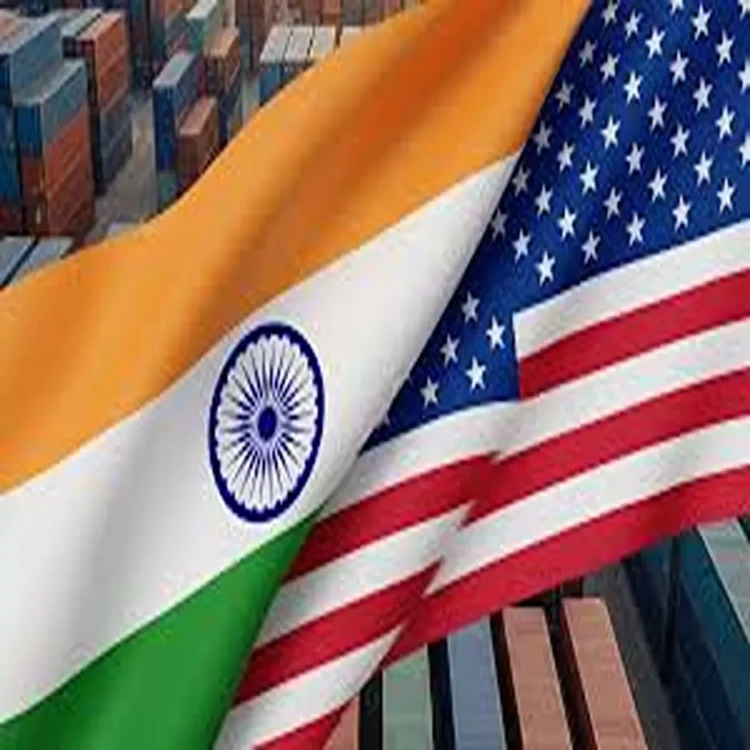
The deal, reached earlier this week, includes a decision by Washington to reduce tariffs on Indian goods to 18 percent. The announcement followed a phone conversation between Prime Minister Narendra Modi and US President Donald Trump. While details of the broader framework are still emerging, the agreement has already become a point of intense debate in Parliament and across party lines.
Opposition Voices Raise Economic Concerns
The Congress party has strongly criticised the government’s handling of the negotiations, arguing that the agreement places India at a disadvantage. Congress MP Sukhdeo Bhagat said the arrangement unfairly benefits the United States by allowing its exports into India with minimal barriers, while Indian goods would still face a significant tariff burden abroad.
According to Bhagat, key domestic sectors such as agriculture could be exposed to future risks if safeguards are not clearly defined. He claimed that the agreement could affect farmers and small producers, warning that the economic costs may outweigh any short-term gains from increased market access. The Congress has maintained that transparency was lacking and that Parliament should be fully briefed before the deal moves further.
Government Supporters Push Back
Leaders from the ruling Bharatiya Janata Party rejected the opposition’s criticism, describing it as politically motivated. BJP MLA Vikram Randhawa defended the government’s approach, stating that India’s global standing has strengthened under the current leadership and that international trade engagements are part of that broader strategy.
Randhawa accused opposition figures of undermining national interests by questioning agreements aimed at expanding India’s economic footprint. He argued that trade discussions with major economies such as the United States require a long-term perspective and should not be reduced to partisan arguments.
Assurance on Agriculture and Dairy Sectors
Concerns around agriculture and dairy, two politically sensitive sectors, were addressed by Bihar Minister Ram Kripal Yadav. He said these areas remain a sovereign priority for India and would not be compromised in any international agreement.
Yadav emphasised that agriculture has traditionally been kept outside major trade deals and that this position would continue. He added that the government is committed to protecting farmers’ interests and ensuring that domestic policies remain free from external pressure.
Parliamentary Demand for Discussion
The controversy has reached the floor of Parliament, with Congress MP Manish Tewari submitting an adjournment motion in the Lok Sabha. The motion seeks a dedicated discussion on the India-US trade agreement, allowing lawmakers to examine its implications in detail.
Opposition leaders have argued that such a significant economic decision warrants broader consultation and debate, particularly given its potential impact on employment, domestic manufacturing, and trade balances.
Wider Political Reactions Continue
Adding to the debate, Leader of the Opposition in the Lok Sabha Rahul Gandhi alleged that the Prime Minister agreed to the deal under external pressure. He suggested that the circumstances surrounding the agreement raise questions about India’s negotiating position, claims the government has firmly denied.
As discussions continue, officials from both countries are expected to outline further specifics of the agreement in the coming days. With political divisions sharpening, the trade deal is likely to remain a central topic in India’s economic and parliamentary discourse.