
PM Modi: India’s Community Traditions Highlighted as Pillars of Social Strength by
PM Modi: India’s real power does not always emerge from headlines or prime-time debates. According to Prime Minister Narendra Modi, it lives quietly in the country’s age-old traditions of community living, shared responsibility, and strong family bonds. Speaking during the 130th episode of Mann Ki Baat, he emphasized that these deeply rooted social practices often remain unnoticed despite shaping the moral and cultural foundation of the nation.
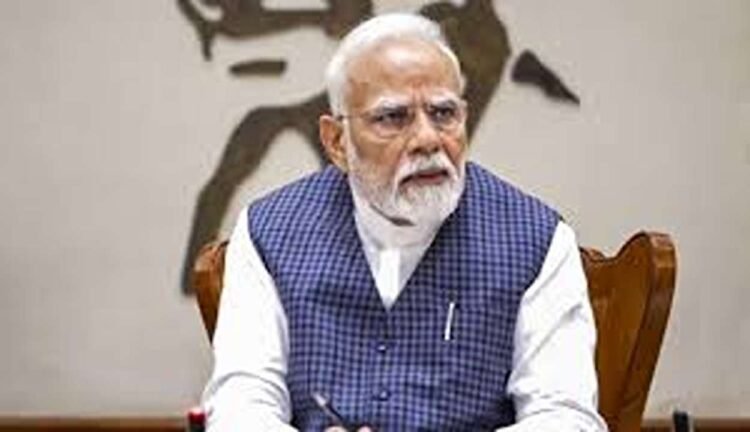
Community Living Beyond Media Spotlight
The Prime Minister observed that extraordinary examples of social unity exist in almost every corner of India, though they rarely attract mainstream attention. These everyday practices, he said, reveal the true character of Indian society, where cooperation and mutual care are valued above individual gain. Such traditions offer insight into a value system where solidarity is not an exception but a way of life.
A Unique Collective Dining Tradition in Gujarat
Sharing an inspiring example from Gujarat, PM Modi spoke about Chandanki village in Beharaji, known for its remarkable system of collective dining. For over 15 years, villagers—especially elderly residents—have not cooked meals in their own homes. Instead, food for the entire village is prepared in a central community kitchen.
Residents gather to eat together, strengthening social bonds and ensuring that no one feels isolated. The system also includes a home delivery service for those who are unwell, ensuring dignity and care during times of need. According to the Prime Minister, these shared meals generate joy and reinforce a sense of belonging among villagers.
Family Values as a Global Inspiration
PM Modi noted that such community-based family systems attract curiosity and admiration across the world. Many nations, he said, view these traditions as models worth learning from. He mentioned his recent interaction with Sheikh Mohammed bin Zayed Al Nahyan, who informed him that the United Arab Emirates will observe 2026 as the Year of the Family.
The initiative aims to strengthen harmony and collective spirit within society, reflecting values that India has practiced for centuries. The Prime Minister described this move as commendable and aligned with India’s own cultural ethos.
Social Unity Addressing Challenges in Jammu and Kashmir
Highlighting the power of collective action, PM Modi shared an example from Sheikhgund village in Anantnag, Jammu and Kashmir. The village had been grappling with increasing problems related to drugs, tobacco, cigarettes, and alcohol. Concerned by the situation, a local resident, Mir Jafar, decided to take action.
By bringing together youth, elders, and community leaders, he sparked a movement that led local shops to stop selling tobacco products. This initiative also raised awareness about the harmful effects of substance abuse, demonstrating how community and family strength can overcome serious social challenges.
Long-Term Social Service by Grassroots Organizations
The Prime Minister also praised organizations that have dedicated decades to social welfare. He cited Vivekananda Lok Shiksha Niketan in Faridpur, East Medinipur, West Bengal, which has been serving children and the elderly for more than forty years.
The organization works through a Gurukul-based education system, focuses on teacher training, and undertakes multiple initiatives for social upliftment. PM Modi expressed hope that such selfless service continues to grow and inspire others across the country.
Preserving the Spirit of Togetherness
Concluding his remarks, the Prime Minister reiterated that India’s strength lies not just in economic or technological progress, but in its living traditions of unity, care, and responsibility. These community-driven efforts, rooted in family values, continue to shape a resilient and compassionate society.