
Ajit Pawar: Temporary NCP Unity Signals a New Chapter in Maharashtra’s Municipal Politics
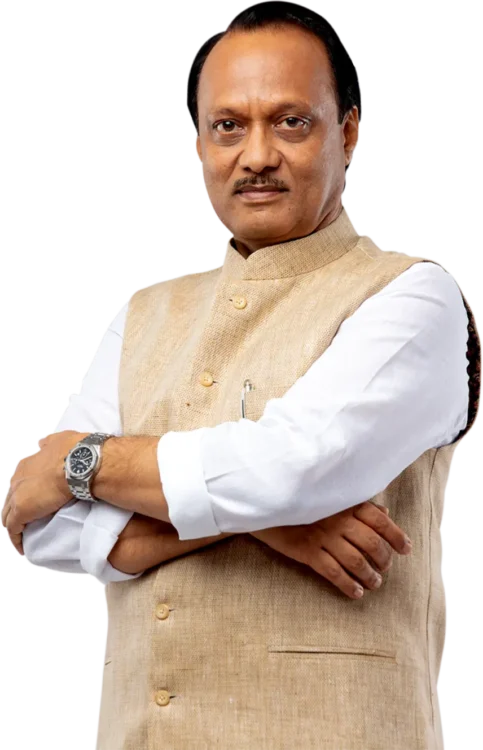
Ajit Pawar: The political landscape of Maharashtra has witnessed a notable development ahead of the upcoming municipal corporation elections. Two factions of the Nationalist Congress Party, led separately by Ajit Pawar and Sharad Pawar, have agreed to come together to contest the Pune Municipal Corporation elections. This temporary unity has sparked fresh discussions within the broader opposition alliance and has raised important questions about strategy, ideology, and the future direction of regional politics in the state.
Background of the NCP Reconciliation
The decision by the two NCP factions to jointly contest the municipal polls is being seen as a pragmatic move rather than a permanent merger. According to statements from NCP-SCP leader Ankush Kakade, both factions share a common ideological foundation inspired by the thoughts of social reformers Jyotiba Phule and Dr. B. R. Ambedkar. This shared philosophy has made cooperation possible, at least for the purpose of local body elections.
Kakade clarified that while the factions are aligned ideologically, the future political path of Ajit Pawar remains uncertain. The coming together is focused primarily on electoral coordination rather than long-term political restructuring.
Role of the Maha Vikas Aghadi Alliance
The Maha Vikas Aghadi, which includes the Congress and Shiv Sena (UBT), plays a central role in shaping the opposition’s approach to the municipal elections. Discussions are expected to take place among all alliance partners to finalize a seat-sharing formula. Kakade confirmed that meetings with Congress and Shiv Sena (UBT) leaders are planned, and a collective decision will be taken by all four parties.
At present, no formal agreement on seat allocation has been reached. However, the intent is to present a united front against the Bharatiya Janata Party at the municipal level, particularly in urban centers like Pune.
Internal Differences Within NCP-SCP
Despite the announcement of cooperation, the decision has not been free from internal resistance. Prashant Jagtap, the Pune city president of the NCP-SCP faction, has expressed his discomfort with the temporary truce. In a video message, he stated that he would prefer contesting the elections strictly under the Maha Vikas Aghadi banner and positioning the party as a strong opposition force for the citizens of Pune.
Jagtap even indicated that he had offered his resignation to the party leadership if the alliance with Ajit Pawar’s faction moves forward. His stance reflects the concerns of grassroots leaders who fear confusion among voters and workers due to shifting alliances.
Leadership Response to Party Unrest
Responding to these internal concerns, Ankush Kakade expressed hope that Prashant Jagtap would continue with the party. He confirmed that discussions are ongoing with senior leader Supriya Sule to resolve the matter. The leadership appears keen to maintain internal unity while navigating the complex dynamics of alliance politics.
This situation highlights the delicate balance political parties must maintain between strategic alliances and organizational cohesion, especially at the local level, where personal connections and ideological clarity matter deeply.
Significance for Maharashtra Politics
The joint contest by the two NCP factions is significant because it marks the first time they will face voters together since Ajit Pawar’s split from the party in 2023. This development could influence voter perceptions and potentially reshape political equations in urban Maharashtra.
The Maharashtra State Election Commission has announced elections for 29 municipal corporations across the state, including major bodies such as Mumbai, Pune, and Pimpri-Chinchwad. Polling is scheduled for January 15, with vote counting set for January 16. These elections are expected to serve as a litmus test for emerging alliances and leadership strategies ahead of future state-level contests.
Looking Ahead
As seat-sharing talks progress and internal negotiations continue, all eyes remain on how this temporary unity will translate on the ground. Whether this cooperation remains limited to municipal elections or evolves into a broader political realignment will depend on electoral outcomes, leadership decisions, and public response.
For now, the coming together of the NCP factions underscores the fluid and adaptive nature of coalition politics in Maharashtra, especially in a highly competitive urban electoral environment.