
Wildlife Sanctuary – Delhi Reserve Plans Stronger Fire Safety Measures
Wildlife Sanctuary – Forest fires have emerged as a growing concern for Delhi’s Asola Bhatti Wildlife Sanctuary, prompting authorities to introduce a long-term strategy aimed at improving emergency response and protecting the fragile ecosystem.
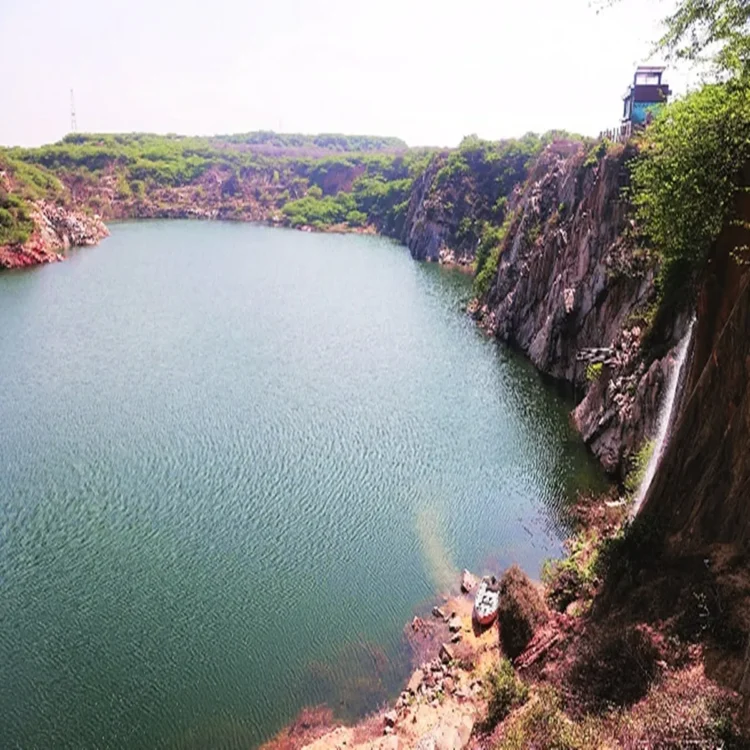
A newly approved 10-year management blueprint for the sanctuary recommends the creation of three dedicated fire response units along with GPS-enabled field teams and specially marked fire lines to reduce the spread of wildfires. Officials said the comprehensive plan has been prepared with technical support from the Wildlife Institute of India and will guide conservation efforts from 2024-25 to 2034-35.
Lack of Fire Records Raised Serious Concerns
According to the management document, one of the biggest challenges faced by the sanctuary administration is the absence of reliable historical records related to fire incidents and vulnerable zones. Without detailed documentation, officials believe it becomes difficult to design preventive strategies or deploy resources effectively during emergencies.
The report further highlighted that the sanctuary currently lacks properly equipped and fully trained fire management units. This gap, it said, weakens the ability of authorities to respond quickly when fires break out, especially during peak dry months when vegetation becomes highly combustible.
Dry Landscape Along Sanctuary Edges Most Vulnerable
The management plan identified the semi-arid regions around Bhatti and Asola, particularly near the outer boundaries of the sanctuary, as the areas most exposed to wildfire threats. During prolonged dry weather, grasslands and shrubs in these stretches become extremely flammable, increasing the chances of rapid fire spread.
Environmental experts associated with the project noted that climate conditions and rising human activity near forest edges have added pressure on the protected landscape. Fires in such zones not only damage vegetation but also disrupt wildlife movement and breeding habitats.
Fire Lines to Help Prevent Rapid Spread
To strengthen preventive measures, authorities plan to maintain dedicated patrolling trails that can function as fire lines during the dry season. These cleared pathways are designed to act as barriers that slow or stop the movement of flames from one section of the forest to another.
The plan explained that the routes would also support regular monitoring operations by forest staff. By using these corridors for surveillance, officials expect quicker detection of smoke or fire activity in sensitive areas.
In addition to ground monitoring, GPS-equipped response teams are expected to improve coordination during emergencies. Real-time location tracking could help teams reach affected areas faster while improving communication between different field units.
Human Activity Continues to Increase Risk
The report also pointed to human-linked activities around the sanctuary as a major contributor to accidental fires. Grazing, fuelwood collection, and expanding settlements along forest boundaries were identified as recurring risk factors.
Authorities warned that even small accidental fires can cause long-term ecological damage in a biodiversity-rich habitat such as Asola Bhatti. Apart from harming native plant species, uncontrolled fires can force animals away from their natural shelters and reduce habitat stability over time.
Conservation officials believe the proposed measures will improve preparedness and reduce future losses if implemented effectively. The sanctuary, which plays a key role in maintaining Delhi’s ecological balance, is home to several species of birds, reptiles, and mammals, making fire prevention a critical part of long-term environmental protection.