
TransportStrike – Mumbai Faces Major Commute Disruptions Amid BEST Workers’ Walkout
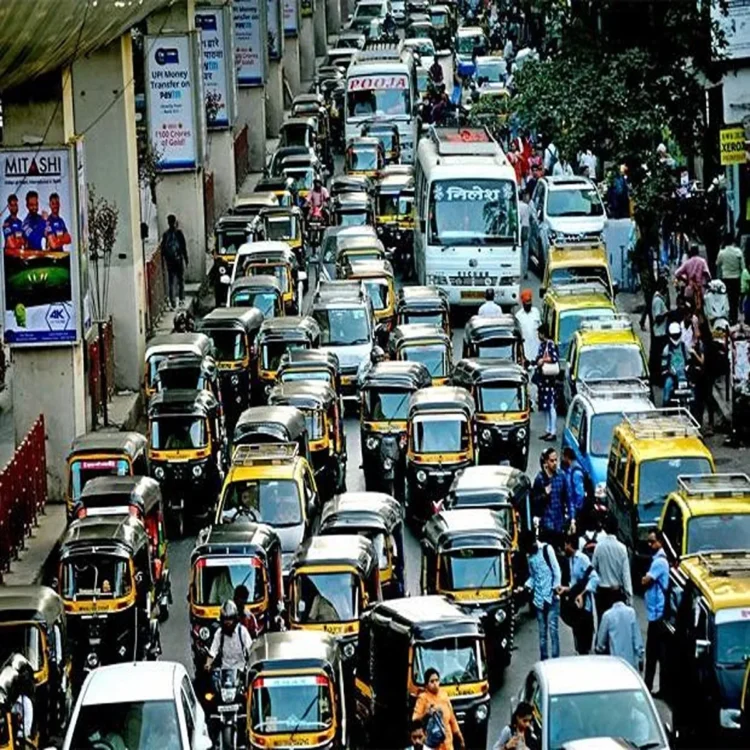
TransportStrike – Thousands of commuters across Mumbai encountered significant travel difficulties on Friday morning after services operated by the Brihanmumbai Electric Supply and Transport (BEST) undertaking were severely affected by an indefinite strike launched by a large section of its workforce. The disruption led to overcrowding at railway stations and increased demand for taxis, auto-rickshaws, and other private transport options as office workers, students, and daily passengers struggled to reach their destinations.
Strike Begins Despite Court Intervention
The industrial action commenced shortly after midnight on June 19, with approximately 23,000 employees from BEST’s transport and electricity departments participating in the protest. The strike was called by the BEST Joint Workers’ Action Committee, which represents multiple employee unions.
Although the Industrial Court issued an interim order on Thursday evening temporarily preventing unions associated with the committee from proceeding with the strike, union leaders maintained that the protest would continue. They argued that several longstanding concerns raised by employees have remained unresolved despite repeated discussions with authorities.
Employee Groups Raise Concerns Over Future Employment
Union representatives stated that one of the primary reasons behind the agitation is the increasing reliance on contract-based hiring within the organisation. According to the committee, the growing use of outsourced services has raised questions about job stability and has also affected the overall quality of transport and electricity operations.
The workers further expressed opposition to the “wet lease” model, under which private contractors provide buses along with operational support. Employee leaders claim that the arrangement benefits contractors while reducing opportunities and protections for permanent staff members.
Opposition to Privatisation Measures
Another major issue highlighted by the unions is the possibility of greater private sector involvement in BEST’s assets and operations. Worker representatives have voiced concerns over proposals involving public-private partnerships and have opposed any move that could result in the transfer or commercial use of BEST-owned land and properties.
Union leaders argued that the undertaking continues to receive financial assistance from government sources and therefore should not be compelled to monetise or transfer valuable public assets. They accused management of prioritising contractor interests instead of addressing employee welfare and commuter needs.
Bus Operations Largely Affected Across Key Depots
The strike had an immediate impact on Mumbai’s public transport network. Reports from several major depots indicated that bus operations remained largely suspended during the morning rush hours. Facilities in areas including Goregaon, Oshiwara, Wadala, Marol, and Kurla reportedly witnessed little to no bus movement.
As a result, large crowds gathered outside suburban railway stations, taxi stands, and auto-rickshaw queues. Many commuters were forced to seek alternative travel arrangements, leading to delays and increased congestion across several parts of the city.
Transport experts noted that BEST buses play a critical role in connecting railway stations with residential and commercial areas. Any prolonged disruption could place additional pressure on Mumbai’s already crowded transport infrastructure.
Mixed Response Expected From Worker Groups
Not all employee organisations have joined the protest. Groups associated with labour leaders Sharad Rao and Prasad Lad have chosen not to participate in the strike. Observers believe this division among unions may influence the overall effectiveness and duration of the agitation.
Union Leaders Explain Their Position
Nitin Nandgaonkar, a member of the BEST Committee, stated that workers had waited for an extended period for authorities to respond to their demands. He said employees felt compelled to begin the strike after repeated appeals failed to produce concrete action.
Meanwhile, BEST Committee Chairperson Trishna Vishwasrao expressed disappointment over the development. She said discussions with union representatives had been constructive and that assurances had been provided regarding the consideration of their demands. Despite those efforts, unions proceeded with the protest, resulting in widespread inconvenience for commuters across the city