
Strait of Hormuz – India-Bound Shipping Movement Gains Pace After US-Iran Understanding
Strait of Hormuz – Commercial shipping activity linked to India has started showing signs of improvement after a recent understanding between the United States and Iran helped ease tensions around one of the world’s most important maritime routes.
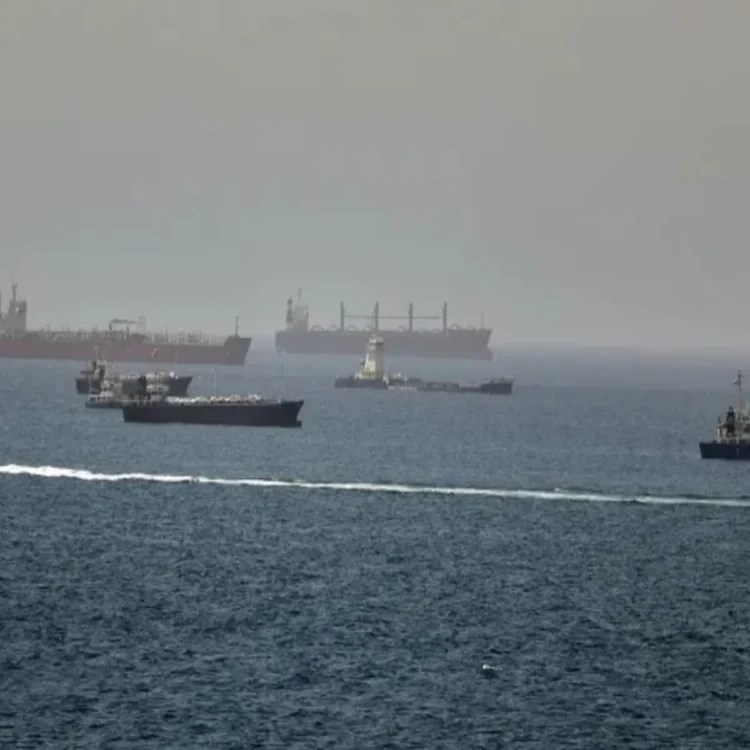
The flow of vessels through the Strait of Hormuz has gradually increased following the memorandum of understanding reached between Washington and Tehran on June 17. Indian authorities confirmed that several cargo and energy vessels destined for India have already passed through the crucial waterway since the agreement came into effect.
India-Bound Vessels Resume Transit
Speaking on the latest developments, Ministry of External Affairs spokesperson Randhir Jaiswal said that 11 vessels carrying cargo for India have successfully crossed the Strait of Hormuz after the agreement was signed.
He noted that 10 Indian-flagged ships remain within the Persian Gulf region and are still awaiting clearance to continue their journeys. Additionally, two more Indian vessels have recently entered the area.
The ships that completed the passage include three Indian crude oil tankers transporting more than 285,000 metric tonnes of crude oil each. The convoy also consisted of a foreign-flagged liquefied petroleum gas carrier, a foreign-registered crude oil tanker, and six foreign bulk cargo vessels carrying fertilizer shipments.
Indian officials expressed optimism that the remaining Indian-flagged ships would also be able to navigate through the route in the coming days.
Developments Follow US Statement
The improvement in shipping activity came shortly after US President Donald Trump announced that the United States would not impose any further naval restrictions in the Strait of Hormuz. He also stated that Iran had agreed to permit inspections related to its nuclear program.
However, Iranian representatives have publicly challenged parts of those remarks, indicating that differences remain despite efforts to reduce tensions through the temporary framework reached between the two countries.
The disagreement highlights that while progress has been made, several issues connected to the broader diplomatic process remain unresolved.
Vessel Numbers Still Below Normal Levels
Maritime traffic data indicates that commercial activity in the strait has risen during recent days, although shipping volumes have not yet returned to levels seen before the disruption.
According to vessel tracking and analytics company Kpler, a total of 71 ships passed through the waterway between Friday and Sunday. Saturday alone accounted for 35 vessel movements.
Before tensions escalated and affected regional navigation, the Strait of Hormuz typically recorded between 100 and 130 vessel transits per day. The latest figures therefore suggest a recovery trend, but one that remains incomplete.
Questions Remain Over Future Navigation Rules
Despite the positive developments, uncertainty continues regarding the long-term management of navigation through the strategic corridor. Shipping operators and cargo owners are closely monitoring discussions related to operational procedures, security arrangements, and potential costs associated with future transit.
Industry observers believe that these issues could influence negotiations aimed at achieving a more comprehensive and lasting agreement between the concerned parties.
Iran and Oman Continue Maritime Discussions
As part of the provisional understanding between Iran and the United States, Tehran has agreed to conduct demining operations and remove technical as well as military obstacles that could affect maritime movement within a 30-day period.
Iranian Parliament Speaker and lead negotiator Mohammad Bagher Qalibaf stated that the country intends to administer activities in the Strait of Hormuz in line with established international maritime regulations.
Meanwhile, officials from Iran and Oman met in Muscat to discuss future arrangements for navigation in the region. Following the talks, both countries announced the formation of a joint working group that will examine maritime services, transit-related issues, and associated operational costs.
The two sides also reaffirmed their commitment to maintaining safe passage for international shipping while respecting both national sovereignty and international law.