
SteelPlant – JSW Begins Full Construction of Rayalaseema Steel Project
SteelPlant – Chief Minister N. Chandrababu Naidu is scheduled to formally begin full-scale construction of the JSW Rayalaseema Integrated Steel Plant on Friday, marking a major step for a project that has remained stalled through changing governments and repeated announcements for nearly 20 years.
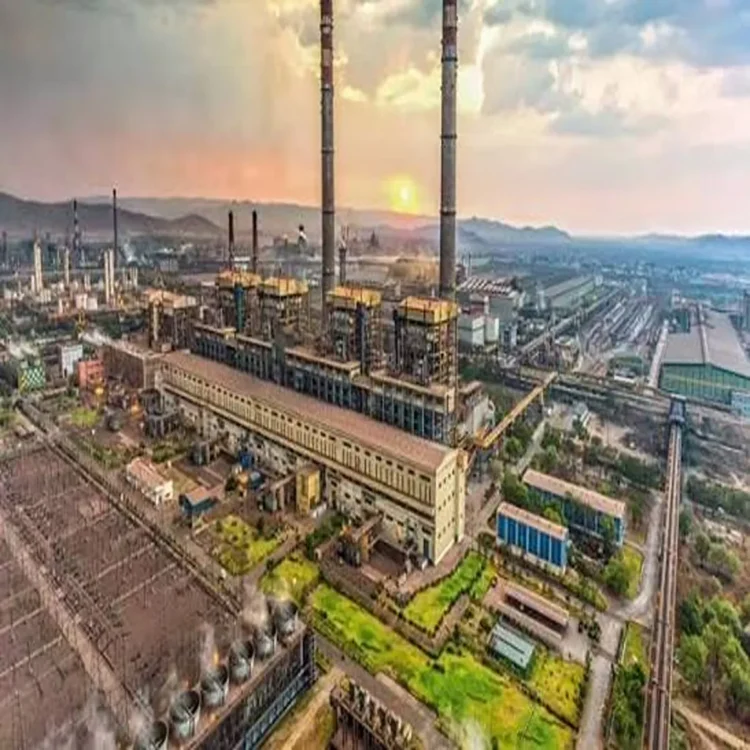
The Rs 16,350-crore steel project will be developed at Sunnapurallapalle and Peddadanluru villages in Jammalamadugu mandal. The proposed plant is expected to be completed in two stages, with commercial production planned by March 2028.
Project moves beyond earlier foundation ceremonies
The steel plant proposal has had a long and complicated history in the region. During the past 19 years, foundation stones were laid on five occasions by three chief ministers — late Y.S. Rajasekhara Reddy, N. Chandrababu Naidu and Y.S. Jagan Mohan Reddy. However, none of those earlier efforts led to full construction of the facility.
The latest launch is being viewed as an attempt to move the project from planning and ceremonial announcements to actual industrial development. The State government has completed several policy and approval-related steps to enable JSW Andhra Pradesh Steel Limited to take up the work.
Earlier Brahmani Steels plan did not materialise
The first major steel project proposal in the area was announced on June 10, 2007. At that time, then Chief Minister Y.S. Rajasekhara Reddy laid the foundation stone for Brahmani Steels, which was promoted by Obulapuram Mining Company.
The project was initially allotted 10,760 acres of land. It later failed to proceed after allegations related to illegal mining led to investigations by the Central Bureau of Investigation. The land allotment made for the project was subsequently cancelled, leaving the proposed steel plant without progress.
Demand for a public sector plant continued
After Andhra Pradesh was bifurcated in 2014, residents and political groups in Rayalaseema continued to demand a public sector steel plant. Protests and hunger strikes were held, with supporters seeking a plant under the provisions of the Andhra Pradesh Reorganisation Act.
The Union government did not approve a Steel Authority of India Limited project for the region. The then Telugu Desam Party government later pursued a State-supported model, and Naidu laid another foundation stone at Kambaladinne in December 2018.
Previous government initiated infrastructure works
In February 2023, the previous YSRCP government renamed the proposed venture as YSR Steel Corporation. It signed an agreement with Jindal Steel after ending an earlier memorandum of understanding with Liberty Steel.
Some preliminary work, including road development and construction of a compound wall, was started at the site. The pace of work later slowed because of pending payments to contractors, according to officials associated with the project.
JSW receives land, water and power support
Following the formation of the present NDA government in Andhra Pradesh, the project was revived through Government Order No. 131. The State government transferred statutory approvals to JSW Andhra Pradesh Steel Limited and allotted 1,100 acres of land at a price of Rs 5 lakh per acre.
The company has also been assured two TMC of water from the Gandikota reservoir. In addition, 268 MW of power will be supplied from the Jammalamadugu substation to support the proposed operations.
Renewable energy-based production planned
The JSW plant is expected to use scrap-based Electric Arc Furnace technology. The company plans to operate the facility using renewable energy, a model that can reduce dependence on conventional coal-based steelmaking methods.
In the first phase, JSW will invest Rs 4,500 crore to build capacity for one million tonnes of steel production annually. This stage is expected to create around 1,000 direct jobs.
The second phase will involve an additional investment of Rs 11,850 crore. Once completed, the plant’s total annual capacity is expected to reach two million tonnes, with another 1,500 direct jobs projected.