
RIMPAC – India Sends P-8I Aircraft to Hawaii for Major Naval Exercise
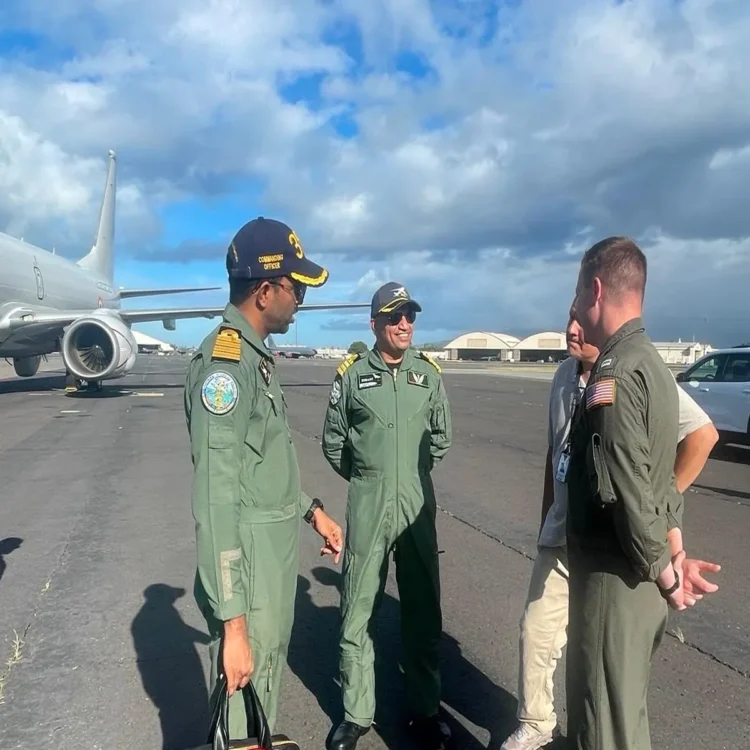
RIMPAC – India has deployed a P-8I long-range maritime patrol aircraft to Hawaii for the 2026 Rim of the Pacific exercise, known as RIMPAC, as it expands naval engagement with partner countries in the Indo-Pacific. The US-led drill is regarded as the largest multinational naval exercise in the world and brings together forces from across the region and beyond.
Large-Scale Exercise Brings Together 30 Countries
RIMPAC 2026 is scheduled to run for about a month, with participation from 30 nations. The exercise involves more than 30 warships, five submarines, over 200 aircraft and nearly 30,000 military personnel. India is taking part alongside its Quad partners — the United States, Japan and Australia.
The Indian Navy said the deployment reflects its support for a free, open, inclusive and rules-based Indo-Pacific. It added that the exercise will help improve coordination with friendly navies, strengthen maritime domain awareness and build operational compatibility during complex missions at sea.
P-8I to Conduct Surveillance and Anti-Submarine Missions
The P-8I aircraft will carry out maritime surveillance, anti-submarine warfare and coordinated operations during the exercise. The aircraft is among the Indian Navy’s key long-range platforms for monitoring activity across wide stretches of ocean and locating underwater threats.
India first joined RIMPAC in 2014 and has participated in every edition since then. Its continued involvement reflects the growing importance New Delhi places on working closely with regional and international naval forces in the Indo-Pacific.
India Expands Its Maritime Patrol Fleet
The deployment comes as India works to improve its ability to monitor the Indian Ocean Region. Earlier this year, the Defence Acquisition Council approved the purchase of six more P-8I aircraft. The additional aircraft will increase the planned fleet from 12 to 18.
The expansion is expected to strengthen the Navy’s surveillance coverage and anti-submarine capability, particularly as Chinese naval activity in the Indian Ocean has increased. The People’s Liberation Army Navy has expanded its presence in the wider region over the past decade, prompting India to place greater focus on tracking maritime movements and protecting key sea routes.
High-End Naval Operations Form Core of RIMPAC
Conducted every two years by the US Navy, RIMPAC is designed to improve cooperation among participating forces through demanding maritime operations. The exercise includes anti-submarine warfare, amphibious operations, air defence drills, missile and gunnery firing, mine countermeasure tasks, humanitarian assistance and maritime security missions.
Such activities allow participating navies to test communication systems, procedures and coordination during situations that may involve multiple ships, aircraft and command centres. The training also provides an opportunity for personnel from different countries to operate together in a structured environment.
Indo-Pacific Partnerships Remain a Key Focus
The P-8I has become one of the Indian Navy’s main assets for tracking submarines and observing maritime activity across the Indian Ocean. Its ability to conduct long-range patrols has made it important for monitoring areas where naval deployments and commercial shipping routes overlap.
India’s participation in RIMPAC, along with exercises such as Malabar, underlines its wider effort to deepen operational links with partner navies. As maritime competition and security concerns continue to shape the Indo-Pacific, New Delhi is placing increased emphasis on joint training, information sharing and coordinated naval preparedness.