
Recycling – Tirupati Pilot Green Shop Encourages Waste-to-Goods Exchange
Recycling – In a unique move aimed at improving rural waste practices, the Panchayat Raj Department has introduced a pilot project called the Green Shop in Cherlopalli village of Tirupati rural mandal. The initiative focuses on promoting environmentally responsible habits by allowing households to exchange dry waste for everyday essentials through a structured barter system.
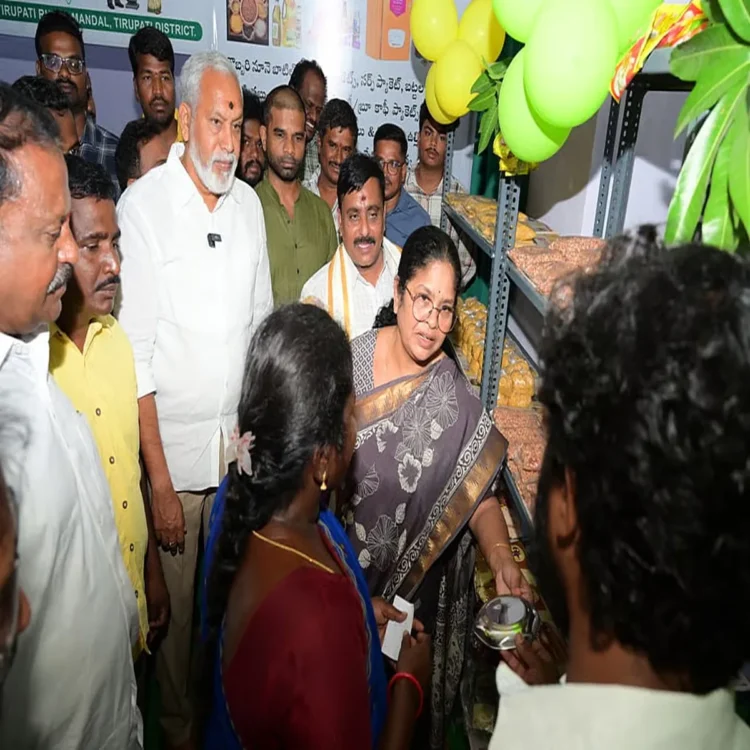
A Practical Approach to Household Waste
The Green Shop concept encourages residents to collect dry waste from their homes and bring it to a designated outlet. Items such as newspapers, books, cardboard, plastic materials, metal scraps, and aluminium objects are accepted. Instead of receiving money, participants are provided with essential goods equivalent to the value of the waste they submit.
This system aims to make waste segregation more practical while also giving households a tangible benefit. By directly linking waste collection with useful rewards, the initiative seeks to build consistent participation among villagers.
Essential Goods Through Barter System
At the Green Shop, residents can obtain a variety of household necessities. These include pulses, cooking oil, soaps, shampoos, books, and even steel utensils. The exchange process is designed to be simple and transparent, ensuring that villagers clearly understand the value of their contributions.
Officials believe that this model not only supports recycling efforts but also reduces the burden of waste disposal in rural areas. It highlights how materials often considered useless can still carry economic worth when handled correctly.
Supporting the Zero Waste Vision
The Green Shop initiative is part of a broader effort by the State government to transform villages into zero-waste communities. By focusing on sustainable waste management and encouraging public involvement, authorities hope to create cleaner and healthier living environments.
Unlike traditional waste collection methods, this initiative emphasizes responsibility at the household level. When people sort and store dry waste properly, it becomes easier to recycle and reuse materials, reducing environmental impact.
Daily Accessibility Improves Participation
One of the key advantages of the Green Shop is its daily operation. In contrast to mobile collection units that visit villages on specific days, the shop remains accessible throughout the week. This convenience allows residents to bring waste at their own pace, making participation easier and more consistent.
Officials expect that this accessibility will gradually build awareness about waste segregation. Over time, it may also help change long-standing habits related to improper disposal.
Operational Support and Structure
According to district officials, the Gram Panchayat has provided initial financial support of Rs 25,000 to set up the project. This funding helps stock essential items that are offered in exchange for waste. Additionally, the shop is operated by a third-party vendor under an agreement with the Panchayat, ensuring smooth management.
To further support the initiative, the Panchayat has offered rent-free space for the first three months. This approach reduces operational costs and allows the project to stabilize during its early phase.
A Model for Future Expansion
Authorities are optimistic about the results of this pilot program. If successful, the Green Shop model could be introduced in other villages, creating a larger network of waste-to-resource systems.
Officials also point out that the dedicated shop structure in Tirupati makes the process more organized compared to informal exchanges seen in other regions. This clarity and consistency are expected to strengthen trust among villagers and encourage wider participation.
By combining environmental awareness with practical incentives, the Green Shop initiative represents a step forward in rural waste management. Its success could pave the way for similar efforts across the State, contributing to cleaner villages and more sustainable living practices.