
Rave Parties – Himachal High Court Orders Crackdown After Kasol Event Sparks Action
Rave Parties – Authorities in Himachal Pradesh are intensifying efforts to tackle illegal drug activity and unauthorized party events after the High Court raised serious concerns over law enforcement failures in the Parvati Valley, a region that has increasingly come under scrutiny for hosting large gatherings linked to narcotics.
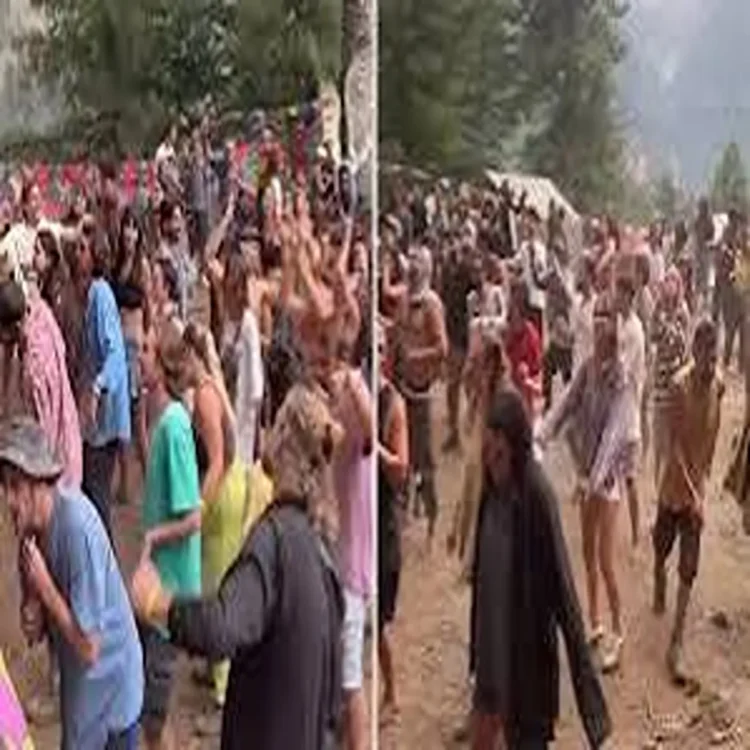
Parvati Valley in Kullu district has long attracted tourists for its scenic landscapes and peaceful surroundings. However, over the years, the area has also gained attention for illegal cannabis cultivation and the growing presence of synthetic drugs. The recent judicial intervention has once again brought the region into focus, highlighting concerns over public safety and enforcement.
High Court Takes Strict View
The Himachal Pradesh High Court has directed the transfer of the Kullu Deputy Commissioner, Superintendent of Police, and the Sub-Divisional Magistrate after observing that they failed to maintain law and order during a large event held near Kasol. The detailed order was released after directions were pronounced on June 24.
The court also instructed the state government to register a First Information Report (FIR), establish a Special Investigation Team headed by an officer of Deputy Inspector General rank or above, and begin departmental proceedings against the concerned officials.
Event Under Judicial Scrutiny
The matter relates to a ticketed gathering organized between June 7 and June 11 at Green Forest-I and Green Forest-II in Grahan village near Kasol. According to court records, entry passes reportedly ranged from Rs 6,000 to Rs 10,000, attracting visitors from different parts of India as well as international tourists.
During the hearing of a Public Interest Litigation concerning rave parties and drug abuse in Kullu and Mandi districts, the High Court observed that authorities had ignored prior warnings from police regarding possible drug consumption, trafficking, and other unlawful activities. Instead of preventing such risks, officials allegedly allowed the event to proceed.
Inspection Revealed Large-Scale Arrangements
A report submitted by the District Legal Services Authority described the venue as an isolated forest location equipped to host thousands of people. Around 50 camping tents, private security arrangements, and facilities for nearly 4,000 to 5,000 visitors were reportedly found at the site.
The inspection team also noted temporary toilets, refrigeration units stocked with beer, numerous liquor bottles, cigarette remains, and rolling papers commonly associated with the preparation of locally available hashish. These findings strengthened concerns about possible drug-related activities at the venue.
Police Action and Ongoing Investigation
Following the court’s intervention, local police conducted a raid at the event site and arrested two tourists allegedly found carrying cocaine and LSD. Authorities are continuing their investigation into the case.
The event also witnessed the death of a Russian national, Caria Kuzminykh, who had been performing as a DJ. Officials suspect a drug overdose, although the final cause of death is expected to be confirmed after the completion of legal and medical procedures.
Changing Nature of Party Culture
Residents say recent enforcement measures have prompted organizers to move gatherings to licensed campsites, cafés, and other regulated venues across the Parvati Valley. They also claim that encrypted messaging platforms have made it easier to promote such events while making detection more challenging for investigating agencies.
According to local sources, organizers often avoid describing these gatherings as rave parties when applying for official permission. Instead, they present them as cultural programs or entertainment events, allowing them to obtain approvals more easily.
Long-Standing Challenge for Authorities
Former Narcotics Control Bureau official O P Sharma said the problem dates back to the 1990s, adding that weak enforcement and intelligence failures contributed to the spread of narcotics in tourist destinations such as Manali and nearby areas. He also pointed to the increasing presence of synthetic drugs, including LSD and MDMA, over several decades.
Official figures show that Himachal Pradesh Police have registered 6,246 cases under the Narcotic Drugs and Psychotropic Substances (NDPS) Act during the past three years, with chargesheets filed in 5,684 cases.
Meanwhile, Budhi Prakash Thakur, president of the Hotel Owners Association of Manali, said tourism-related events should continue only when organizers obtain all required permissions and police maintain strict vigilance to prevent drug abuse and ensure public safety.