
Ramayana – National Repository Planned to Preserve Rare Manuscripts Across India
Ramayana – India is preparing to safeguard centuries-old literary heritage linked to Lord Ram through a new effort to collect and preserve rare Ramayana manuscripts from across the country. The Prime Minister’s Museum and Library (PMML), functioning under the Ministry of Culture, has begun work on establishing the National Repository of Ramayana Manuscripts (NRRM). The initiative aims to bring together valuable and historically significant versions of the epic so they can be protected, studied, and made accessible for future generations.
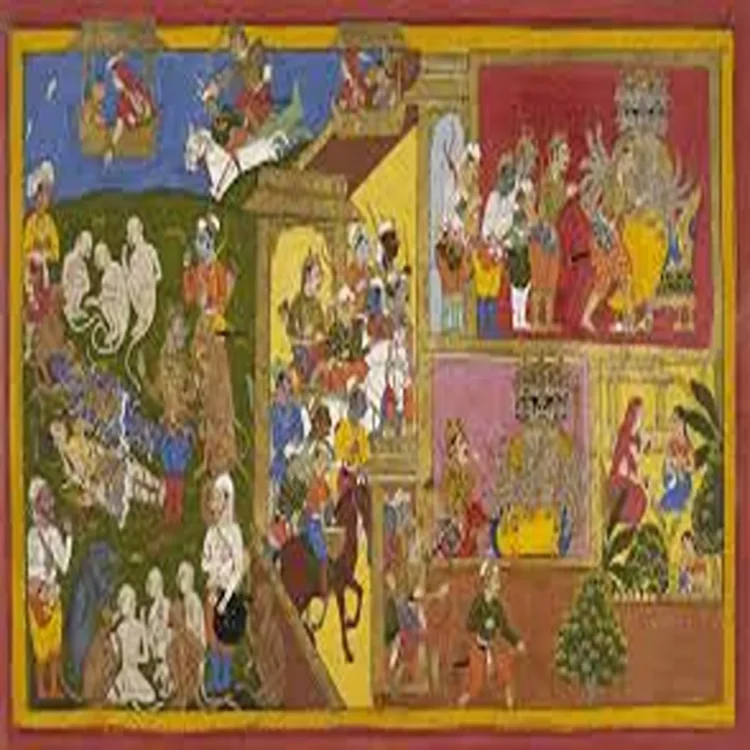
Initiative to Preserve Ancient Ramayana Texts
Under the proposed repository, institutions and individuals holding rare manuscripts have been invited to contribute their collections. Universities, research bodies, religious organizations, libraries, scholars, and private collectors are among those being encouraged to donate manuscripts related to the Ramayana tradition.
Authorities say the repository will focus on preserving historically important works that reflect the wide literary tradition of the epic across India. Once verified and authenticated, selected manuscripts may also be displayed at the Ram Temple and the International Ram Katha Museum in Ayodhya.
Wide Range of Manuscripts Eligible for Collection
Officials associated with the project explained that the repository will accept different forms of Ramayana literature. This includes manuscripts of the Valmiki Ramayana, regional retellings of the epic, scholarly commentaries, related texts, and illustrated manuscripts. Many of these historical documents are written either on palm leaves or traditional paper.
Every manuscript offered to the repository will undergo a detailed evaluation process. A dedicated committee has been formed to verify the authenticity and relevance of the materials before they are accepted into the national archive.
Expert Committee to Examine Submissions
The committee responsible for examining the manuscripts includes specialists in the field along with representatives from the Ministry of Culture and the National Mission for Manuscripts. The director of the International Ram Katha Museum, Sanjib Kumar Singh, is serving as the convener of this panel.
According to officials, the review panel will ensure that only authentic and culturally significant manuscripts become part of the repository. The verification process will also help document the origin, age, and historical context of each text submitted.
Goal to Bring Ramayana Literature Under One Platform
Sanjib Kumar Singh said the larger goal of the project is to gather the vast literary tradition associated with Lord Ram in one centralized archive. By bringing together manuscripts scattered across the country, the repository hopes to create a comprehensive reference resource for scholars and researchers.
He noted that many rare manuscripts remain in private collections or smaller libraries, where they may not always receive proper preservation. The new initiative intends to ensure that these valuable texts are protected using modern conservation techniques.
Digitisation and Preservation for Future Generations
Beyond physical preservation, the manuscripts collected under the NRRM will also be digitised. This step is expected to help safeguard the texts from deterioration while also making them accessible for academic research.
Experts believe that digital archives will allow researchers to study different versions of the Ramayana and understand how the epic evolved across regions and languages over centuries. The collection is also expected to highlight the diversity of Indian literature, art, and storytelling traditions.
Submissions Already Generating Interest
Since the call for contributions was issued, the project has already received significant attention. Singh confirmed that more than one hundred inquiries have been received from individuals and organizations interested in donating manuscripts.
Those who wish to contribute must provide detailed information about their manuscripts, including the title, estimated age, script used, physical format, and the number of folios. Contributors are also required to submit video samples and color photographs of the first and last pages of the manuscript.
Officials clarified that only original manuscripts will be considered for the repository. Printed or published versions of the Ramayana will not be accepted under this initiative.
Earlier Contributions to the Archive
The repository initiative builds on earlier efforts to gather verified versions of the Ramayana. In January, the Vice Chancellor of the Central Sanskrit University presented a 233-year-old manuscript of the Valmiki Ramayana to the chairman of the PMML Executive Council.
Cultural authorities believe that the National Repository of Ramayana Manuscripts will gradually grow into a major archive reflecting the literary and spiritual influence of the epic across India. By conserving these texts and making them available for research, the project seeks to ensure that an important part of the country’s cultural heritage remains protected for generations to come.