
Railways – Delhi High Court Upholds Compensation for 2012 Train Gang Rape Survivor
Railways – The Delhi High Court has reaffirmed that passenger safety is a fundamental obligation of the Indian Railways, ruling that the organisation must compensate a woman who was gang-raped inside a moving train in 2012, regardless of the fact that the crime was carried out by private individuals and not railway staff.
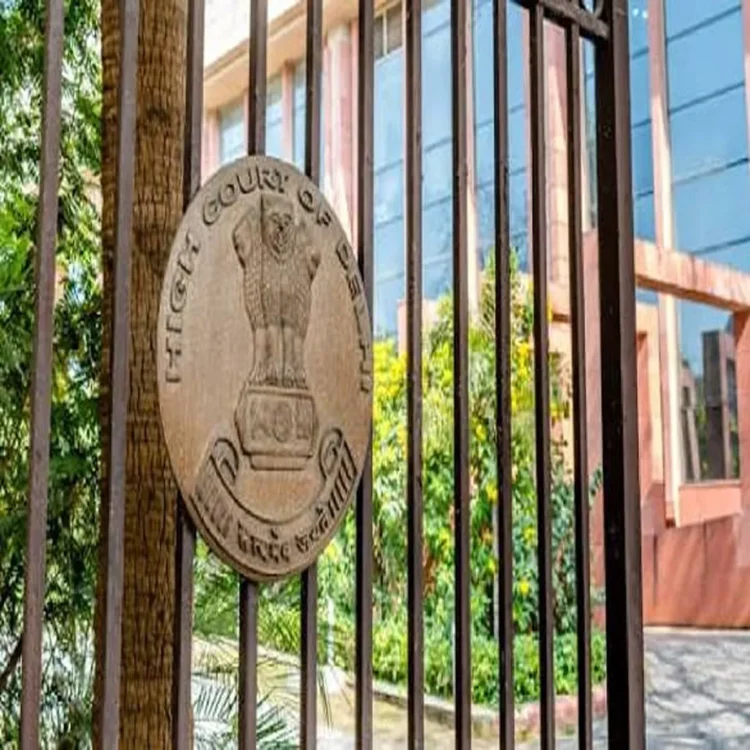
Court Supports NHRC Recommendation
In a significant judgment, the Delhi High Court refused to interfere with the recommendation made by the National Human Rights Commission (NHRC), which had directed the Ministry of Railways to pay compensation of ₹3 lakh to the survivor. Justice Amit Bansal dismissed the Railways’ petition challenging the commission’s recommendation, observing that the victim was a legitimate passenger travelling with a valid ticket when the incident took place.
The court emphasised that passengers who purchase tickets are entitled to travel in a secure environment and that ensuring their safety is an essential responsibility of the Railways throughout the journey.
Passenger Safety Is a Legal Obligation
The judgment highlighted that the Railways cannot avoid responsibility simply because the offence was committed by outsiders. According to the court, the duty to maintain a safe atmosphere inside train compartments continues irrespective of the identity of those responsible for the crime.
Justice Bansal noted that when passengers board a train, they do so with the expectation that the transport authority will provide reasonable protection during the journey. The ruling reinforces that this obligation extends beyond railway operations and includes safeguarding passengers from serious criminal acts occurring onboard.
Gang Rape Classified as an Untoward Incident
The High Court also examined the provisions of the Railways Act while deciding the matter. It held that the brutal nature of the crime falls within the scope of an “untoward incident” under Section 123(c) of the Railways Act.
Since the offence occurred inside a train compartment during the journey, the court concluded that the legal definition of an untoward incident was applicable. As a result, the Railways remained liable to provide compensation to the victim under the law.
The judgment clarified that the location of the crime and the circumstances under which it occurred were sufficient to attract the statutory responsibility of the Railways.
NHRC’s Role Recognised by the Court
While addressing the authority of the National Human Rights Commission, the High Court observed that its recommendations should not be viewed as mere suggestions without legal significance.
Justice Bansal stated that although NHRC recommendations are advisory in nature, they carry substantial value, particularly in cases involving serious violations of human rights. The court found that the commission had acted within its legal powers by recommending immediate financial relief to the survivor.
The judgment acknowledged that prompt compensation in such cases serves an important humanitarian purpose and reflects the commission’s mandate to protect the rights of victims.
Petition Dismissed
After considering the arguments presented by the Ministry of Railways, the High Court concluded that there was no merit in the challenge against the NHRC’s recommendation. Consequently, the petition filed by the Railways was dismissed, allowing the compensation order to remain in force.
The ruling underscores that public authorities responsible for passenger transport have a continuing duty to ensure safety and may be held accountable when serious crimes occur during travel. It also strengthens the principle that victims of grave human rights violations are entitled to timely relief, even where the perpetrators are not employees of the public authority concerned.