
Protest – Female Demonstrators Face Severe Sanitation Crisis at Delhi Protesting Site
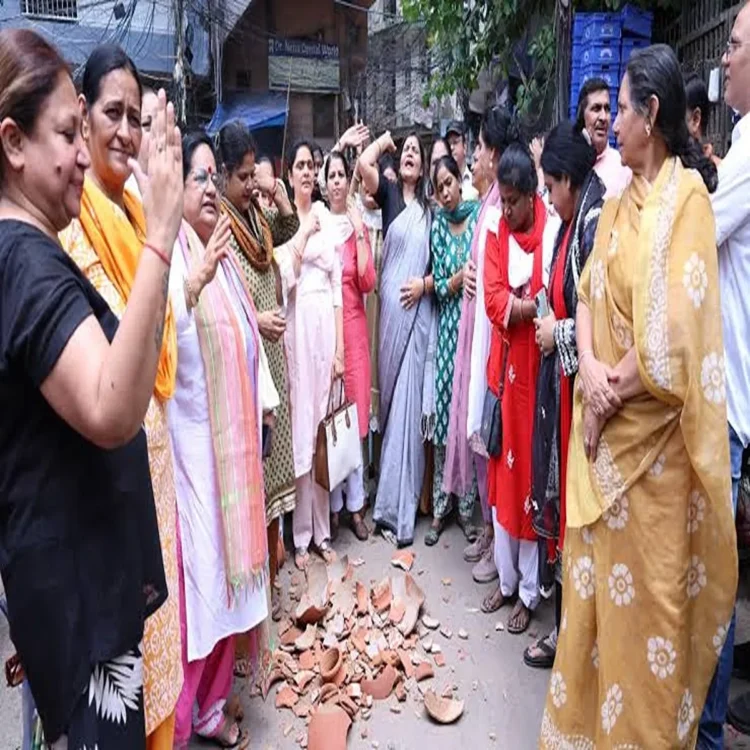
Protest –Demonstrators gathered at central Delhi’s designated protest ground, Jantar Mantar, are confronting an escalating sanitation crisis that threatens both public health and the continuation of their movement. Women participating in the ongoing demonstrations, along with volunteer medical personnel, report that a total lack of running water and restricted access to functional restrooms have turned daily attendance into an agonizing trial. The situation has forced several female participants to abandon the venue temporarily, while health workers struggle to maintain emergency medical camps set up for injured and exhausted citizens.
Critical Shortage of Basic Utilities
The crisis deepened after public utility connections across the protest grounds were abruptly severed. Demonstrators traveling from distant states report that meeting basic physiological needs now requires extraordinary effort. Many female attendees are compelled to travel several kilometers back to temporary lodgings or hostels merely to access a toilet. The absence of basic hygiene amenities has severely disrupted the ability of women to remain present during long operational hours, creating an additional burden for those attempting to exercise their democratic right to peaceful assembly.
Severe Disruptions to Emergency Medical Camps
Volunteer healthcare workers stationed at the site face severe hurdles in maintaining basic sanitary standards while treating patients suffering from heat exhaustion, dehydration, and minor physical injuries. Medical professionals report that every trip to a functioning restroom requires navigating heavy crowd barricades and walking nearly two kilometers toward the nearest public facility or place of worship. This logistical nightmare frequently leaves medical stations understaffed during crucial hours, compromising the overall emergency response network at the venue.
Strict Movement Restrictions and Supply Blockades
Logistical challenges extend beyond sanitation. Strict police cordons and heightened security screening around the site have severely restricted the delivery of essential supplies. Food donations sent by citizen groups and local supporters are routinely turned back at security checkpoints. Volunteers and medical practitioners report being unable to receive meals brought by family members or designated delivery personnel, exacerbating physical fatigue among those providing round-the-clock humanitarian aid to the gathering crowds.
Surrounding Establishments Deny Basic Access
Earlier in the demonstration, participants relied on commercial establishments near nearby transit hubs, such as the Janpath metro station, to access restrooms. However, recent early commercial shutdowns and refusals by local hotels to grant access—even to medical staff offering to book rooms strictly for washroom use—have exhausted all local options. Nearby places of worship remain among the very few accessible points, but the sheer physical distance makes repeated visits impractical for individuals managing urgent medical needs or specific health conditions.
Growing Threats to Public Health
The deterioration of existing portable units on-site has raised serious public health concerns among medical experts. Protesters report that local municipal sanitation workers have largely stopped entering the primary demonstration zone, leaving participants to manage waste disposal and site cleanliness on their own. Healthcare volunteers emphasize that clean drinking water, accessible sanitation, and proper hygiene infrastructure are fundamental rights that must be maintained, especially given the presence of elderly citizens, women, and children spending entire days under challenging conditions.