
PalestineAid – India Urged to Support Palestinian Health Sector Amid Deepening Crisis
PalestineAid – The Palestinian Embassy in India has appealed for immediate international assistance, warning that healthcare services across Palestinian territories are facing an unprecedented emergency. In a statement released on Friday, the embassy called for urgent medical intervention, saying hospitals and health facilities are struggling to function amid ongoing conflict, infrastructure damage, shortages of supplies, and financial constraints.
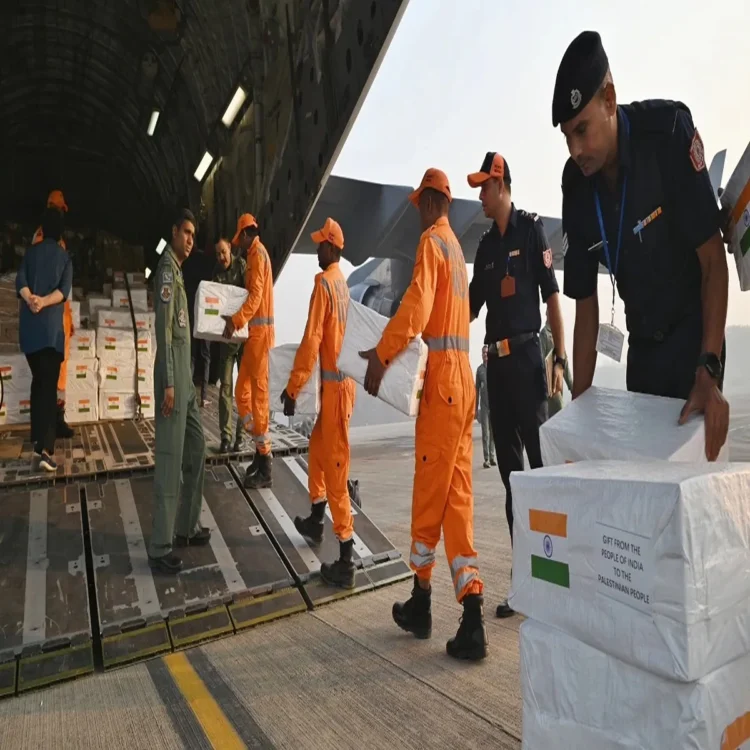
Embassy Appeals for Immediate Global Action
According to the embassy, the situation has reached a stage where swift international cooperation is essential to prevent further loss of life. The appeal emphasized the need for humanitarian solidarity and urged countries around the world, including India, to contribute medical aid and emergency healthcare support.
The statement highlighted India’s longstanding reputation for humanitarian assistance and support for vulnerable populations. It also expressed hope that India would play a meaningful role in helping address the worsening healthcare challenges faced by Palestinians.
Call for Assistance Through Aarogya Maitri Initiative
The embassy specifically referred to India’s Aarogya Maitri programme, an initiative aimed at providing medical assistance to countries affected by disasters and humanitarian emergencies. Officials noted that the programme could serve as an important channel for delivering critical healthcare supplies and support to Palestinian communities facing severe shortages.
The appeal recalled statements made by Prime Minister Narendra Modi regarding India’s commitment to supplying essential medical resources to developing nations impacted by crises.
Hospitals Operating Under Severe Constraints
Citing information from international health agencies, including the World Health Organization (WHO), the embassy described the healthcare situation in Gaza as one of the most serious humanitarian emergencies in recent years.
According to the figures referenced, only a limited number of hospitals remain partially operational. Those facilities are reportedly functioning under difficult conditions, with shortages affecting medicines, surgical equipment, dialysis materials, blood supplies and fuel needed to power hospital generators.
Healthcare providers are also struggling to cope with a large number of injured patients, while many people continue to require specialized treatment that is currently unavailable within Gaza.
Growing Public Health Risks
The embassy warned that deteriorating living conditions have created additional public health concerns. Limited access to clean water, damaged sanitation systems and the accumulation of waste have increased the risk of disease outbreaks.
Humanitarian organizations have also reported concerns over bodies remaining trapped beneath collapsed structures, which may contribute to further environmental and health challenges. These conditions, combined with overcrowding and disrupted services, have increased the threat of infectious diseases, particularly among children, elderly individuals and those with weakened immune systems.
Children Face Psychological and Nutritional Challenges
The statement noted that children have been among the most severely affected groups during the crisis. International assessments cited by the embassy indicate that a significant number of young people require psychological and emotional support due to prolonged exposure to conflict and instability.
In addition to mental health concerns, humanitarian agencies have raised alarms about growing levels of malnutrition, which continue to affect vulnerable families across the region.
Healthcare Pressures Extend Beyond Gaza
The embassy also highlighted difficulties facing healthcare services in the West Bank and East Jerusalem. It said financial restrictions and funding shortages have reduced the ability of public health institutions to maintain normal operations.
Officials reported that hospitals have experienced declining capacity, resulting in postponed procedures and reduced access to treatment. Shortages of essential medicines, including drugs used in cancer care, have further intensified concerns among health professionals.
Medical warehouses are reportedly experiencing limited stock levels of critical supplies needed for surgeries, dialysis treatments and other specialized healthcare services.
Request for $100 Million in Medical Support
In its concluding appeal, the Palestinian Embassy called on governments, humanitarian organizations, medical institutions and civil society groups to help address the healthcare emergency.
The embassy requested urgent assistance valued at approximately $100 million to secure life-saving medicines, medical equipment and essential healthcare supplies. It stressed that immediate and sustained support would be crucial for protecting civilian lives and maintaining access to basic medical services during the ongoing crisis.