
OnionPrices – Sharp Market Decline Leaves Kurnool Farmers in Distress
OnionPrices – Onion growers in Andhra Pradesh’s Kurnool district are grappling with mounting financial pressure as market rates have fallen dramatically toward the end of the Rabi harvesting season.
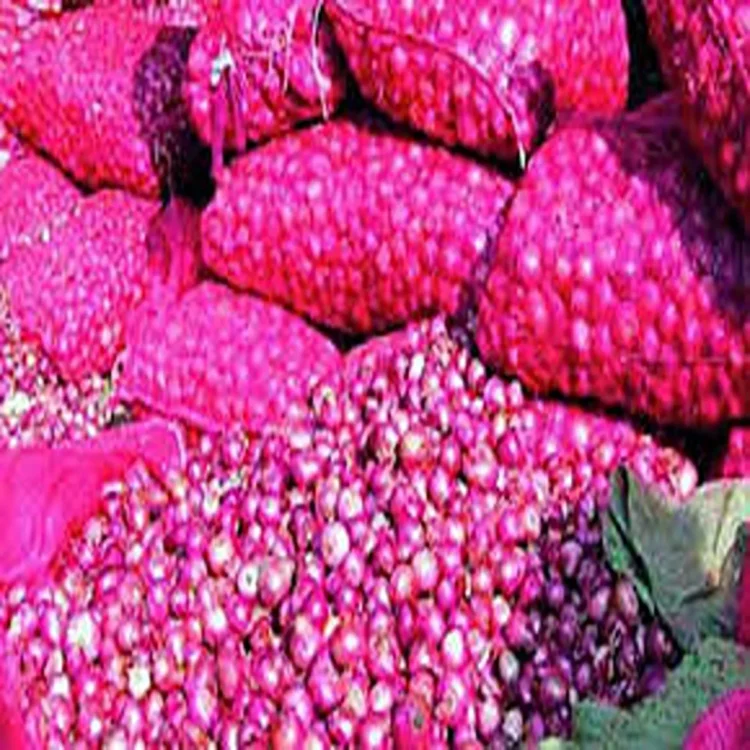
Prices Fall Below Production Costs
At the Kurnool Agricultural Wholesale Market Yard, onion prices have dropped to levels that farmers say are unsustainable. Over recent days, rates have fluctuated between Rs 400 and Rs 1,200 per quintal, but a majority of produce has been sold in the lower range of Rs 400 to Rs 600. These prices are significantly below the cost incurred in cultivation, resulting in substantial losses for growers.
Faced with minimal returns, many farmers have taken the difficult step of abandoning their produce. Several have left sacks of onions in market corners, unwilling to spend further on transportation or storage. Others have chosen not to harvest crops still standing in their fields, as the expense of labour would exceed any possible earnings.
Farmers Struggle Amid Market Uncertainty
The current situation has left farmers frustrated and uncertain about the future. For many, onion cultivation was expected to bring stable returns this season. Instead, the unexpected price collapse has disrupted financial planning and added to existing economic stress.
Market Yard Secretary R Vijaya Lakshmi noted that while price dips are common during the Rabi season, this year’s decline has been unusually severe. She pointed out that even at the peak of the season, prices did not exceed Rs 2,000 per quintal, which itself was considered modest. The present rates, she added, have further deepened concerns among farming communities.
Multiple Factors Behind the Decline
Experts attribute the downturn to a combination of domestic and external factors. One major reason has been the reduced export movement to Bangladesh, influenced by ongoing international tensions. This has limited the outflow of onions from the region, increasing supply in local markets.
Additionally, fuel shortages have disrupted transportation networks, making it harder for traders to move produce to neighbouring states. This logistical challenge has contributed to oversupply in local mandis, pushing prices downward.
Another significant factor is the arrival of better-quality onions from Maharashtra. Produce from regions such as Solapur, Nashik, and Lasalgaon has been preferred by traders and consumers due to its superior shelf life and quality.
Quality Issues Add to Farmers’ Problems
Local onions from Kurnool have also faced quality challenges this season. Prolonged exposure to intense summer heat has caused internal damage to the bulbs, reducing their storage potential and overall market appeal. As a result, buyers have increasingly shifted toward alternatives, further weakening demand for local produce.
This combination of reduced demand and increased competition has intensified the financial burden on farmers, many of whom rely heavily on onion cultivation for their livelihood.
Concerns Over Upcoming Kharif Season
Officials are now expressing concern about the potential impact on the upcoming Kharif season. Prolonged low prices and export restrictions could discourage farmers from continuing onion cultivation.
Kurnool District Collector Dr A Siri has advised growers to explore alternative crops instead of depending solely on onions. The administration is encouraging crop diversification as a way to reduce risks associated with volatile market conditions.
Uncertain Outlook for Recovery
Kurnool, known as one of the major onion trading hubs in the Telugu-speaking states, has witnessed sharp price fluctuations this year. With export channels constrained and domestic demand subdued, immediate recovery appears uncertain.
However, officials remain cautiously optimistic that prices may improve by July with the arrival of fresh Kharif produce and possible easing of supply pressures. Until then, farmers in the region continue to bear the brunt of the downturn, navigating losses and hoping for more stable conditions in the months ahead.