
Oil Spill – Stranded Tanker Leak Sparks Environmental Emergency Off Oman’s Coast
Oil Spill – A serious environmental emergency is developing off the southern coast of Oman after a stranded oil tanker reportedly began releasing crude oil into nearby waters. Authorities and environmental organisations are closely monitoring the situation as satellite imagery indicates the contamination is expanding, raising concerns about long-term damage to marine life and coastal ecosystems.
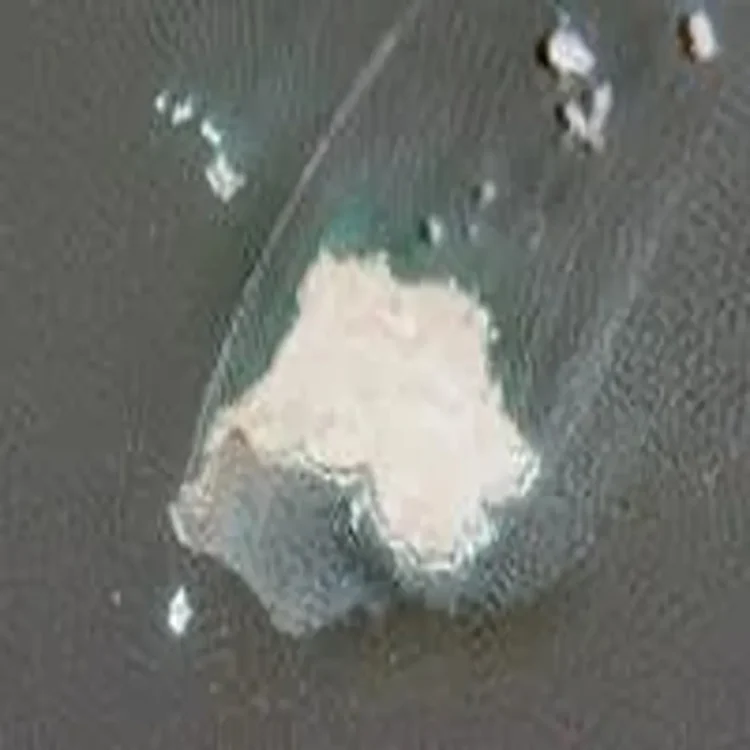
Satellite Monitoring Shows Oil Slick Growing Rapidly
Recent satellite images examined by AFP reveal a large oil slick spreading from a tanker that has remained stranded for more than a month near al-Qibliyyah Island along Oman’s southern coastline. The affected area is located well away from the Strait of Hormuz, a region that has previously witnessed several tanker-related security incidents. Environmental experts believe the continued leakage could significantly worsen if swift containment measures are not introduced.
Greenpeace representative Nina Noelle said the ongoing discharge of oil, combined with the vessel’s difficult location, creates a substantial risk of a much larger environmental disaster. She warned that delays in emergency action could result in severe and lasting ecological consequences for the surrounding waters.
Spill Area Expands Within Days
According to Greenpeace, satellite observations show the visible oil sheen increased dramatically over a short period, growing from around 20 square kilometres on July 24 to nearly 600 square kilometres by August 4. The estimate was independently supported by Wim Zwijnenburg, an environmental researcher with the Dutch peace organisation PAX.
Shipping intelligence firm Kpler identified the vessel as the Caroline Bezengi. The company reported that the tanker loaded approximately one million barrels of Russian crude oil from the Black Sea port of Sheskharis on May 11. Available tracking information indicates the cargo was still on board when the ship transmitted its final AIS signal roughly a month later before disappearing from monitoring systems.
Protected Marine Reserve Faces Increasing Risk
Oil contamination has reportedly reached sections of the coastline surrounding al-Qibliyyah Island, while additional slicks continue drifting across nearby waters. Conservation groups warn that the pollution threatens one of Oman’s most valuable protected marine environments.
Noelle stated that the expanding slicks are spreading farther into the sea, increasing damage to sensitive marine habitats. Zwijnenburg cautioned that if the vessel were to break apart completely, it could trigger a regional environmental crisis affecting coastal fishing communities, marine biodiversity, and island ecosystems. Experts continue to stress the importance of rapid containment operations to minimise further environmental harm.
Rare Marine Species Could Suffer Long-Term Impact
The affected waters form part of the al-Hallaniyat Islands marine reserve, which Oman established last year to safeguard its rich biodiversity. The reserve supports endangered sea turtles, coral reef systems, seagrass habitats, migratory seabirds, marine mammals, and the rare Arabian Sea humpback whale.
Environmental specialists warn that oil pollution can remain trapped within marine sediments for many years, even after surface slicks disappear. Zwijnenburg emphasised that recovering the stranded tanker as quickly as possible remains essential to reducing additional environmental damage.
The International Maritime Organization confirmed to AFP that it is currently providing assistance to Oman regarding the incident but has not released further operational details.
Explosions Leave Vessel Disabled
The Caroline Bezengi was sanctioned by the United Kingdom in February over allegations that it had been transporting Russian oil. Maritime security company Vanguard Tech reported that three explosions struck the vessel on June 6, flooding multiple compartments, including the steering gear room and pump room.
According to the company, the blasts left both the main engine and steering systems inoperable. Despite the damage, every crew member was safely accounted for. Investigators have not yet determined whether the explosions resulted from an accident or an external attack, and the cause remains under investigation.
Ghost Fleet Concerns Return to Focus
Ship-tracking data reviewed by AFP indicates the tanker last transmitted its location while sailing near Yemen on June 11. Satellite imagery from the European Copernicus programme suggests the vessel became stranded near al-Qibliyyah Island sometime between June 18 and June 23.
Analysts compared the stranded ship’s dimensions, deck colour, and overall structure with earlier satellite imagery and concluded that it matches the Caroline Bezengi. Environmental organisations say the incident highlights the risks associated with Russia’s so-called ghost fleet, a network of ageing vessels with concealed ownership structures that has drawn increasing international scrutiny. Conservation groups argue that the use of older tankers with limited maintenance raises the likelihood of accidents capable of causing serious environmental damage.