
Monsoon – Centre Reviews Flood Response and Kharif Sowing Delays
Monsoon – Heavy monsoon showers have caused flooding, landslides and disruption in several parts of India, while below-normal rainfall in other regions has slowed the progress of Kharif sowing. The Centre on Wednesday assessed both the emergency situation in rain-hit states and the challenges facing farmers in areas with inadequate precipitation.
Home Minister reviews conditions in affected states
Union Home Minister Amit Shah held separate discussions with Maharashtra Chief Minister Devendra Fadnavis, Gujarat Chief Minister Bhupendra Patel, Jammu and Kashmir Chief Minister Omar Abdullah and Kerala Chief Minister VD Satheesan, according to officials from the Ministry of Home Affairs.
During the calls, Shah sought updates on the impact of continuous rainfall, rescue work and relief arrangements. He also reviewed efforts to restore essential public services, transport links and damaged infrastructure in affected locations.
The Home Minister assured the state governments that the Union government would provide all required assistance for rescue operations, relief distribution and restoration work. Officials said the Centre remains in regular contact with state authorities as the monsoon situation develops.
Deficient rainfall affects Kharif planting activity
At the same time, Union Agriculture Minister Shivraj Singh Chouhan reviewed the agricultural impact of weak rainfall in several states. He said the government was tracking weather conditions through the El Niño Monitoring Cell, the Crop Weather Watch Group, state control rooms and officers assigned to monitor local developments.
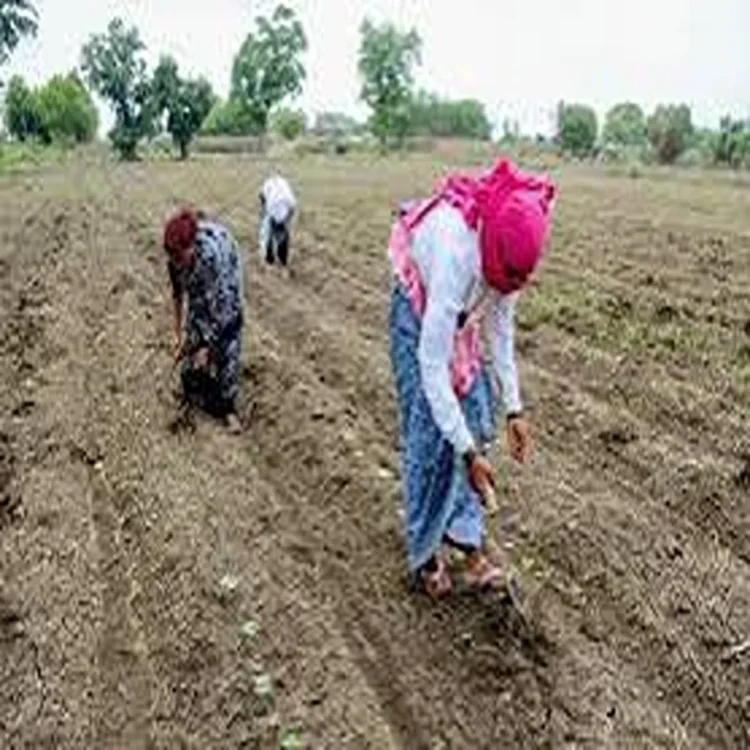
Kharif sowing is currently estimated to be nearly 91.95 lakh hectares lower than the level recorded during the same period last year. Soybean and cotton cultivation have been among the crops most affected by delayed or insufficient rainfall.
Chouhan advised farmers in rain-deficit districts to consider alternatives that need less water and can be harvested in a shorter period. These include maize, bajra and moong, which may offer suitable options where regular rainfall has not yet arrived.
Contingency plans and seed reserves in place
The Agriculture Ministry said district-level contingency plans have already been prepared in coordination with the Indian Council of Agricultural Research. These plans were shared with state governments before the monsoon season to help officials and farmers respond quickly if weather conditions affect planting schedules.
A national seed reserve of around 1.75 lakh quintals has also been maintained to ensure that farmers can access seeds if they need to change crops or replant fields after weather-related setbacks.
The Centre has additionally intensified its Kisan Credit Card campaign to improve access to short-term agricultural finance. It is also working to expand farmer enrolment under the Pradhan Mantri Fasal Bima Yojana, which provides insurance support against crop losses caused by adverse weather conditions.
Centre expects rainfall improvement during July
Chouhan said the government expects rainfall activity to improve during July, which could reduce the current deficit and support faster Kharif sowing in affected areas. He added that the Centre has adequate resources, crop planning measures and support systems in place to assist farmers throughout the season.
The government is continuing to monitor both flood-prone regions and rain-deficient agricultural belts, with officials coordinating with states to manage immediate disaster relief needs while protecting the progress of the Kharif crop cycle.