
MiddleEastSecurity – Israel Signals Long-Term Military Presence Across Border Regions
MiddleEastSecurity – Israel has indicated that its military forces will continue operating in designated security areas of Lebanon, Syria, and Gaza for the foreseeable future, despite a newly announced agreement between the United States and Iran aimed at ending hostilities across parts of the Middle East, including Lebanon.
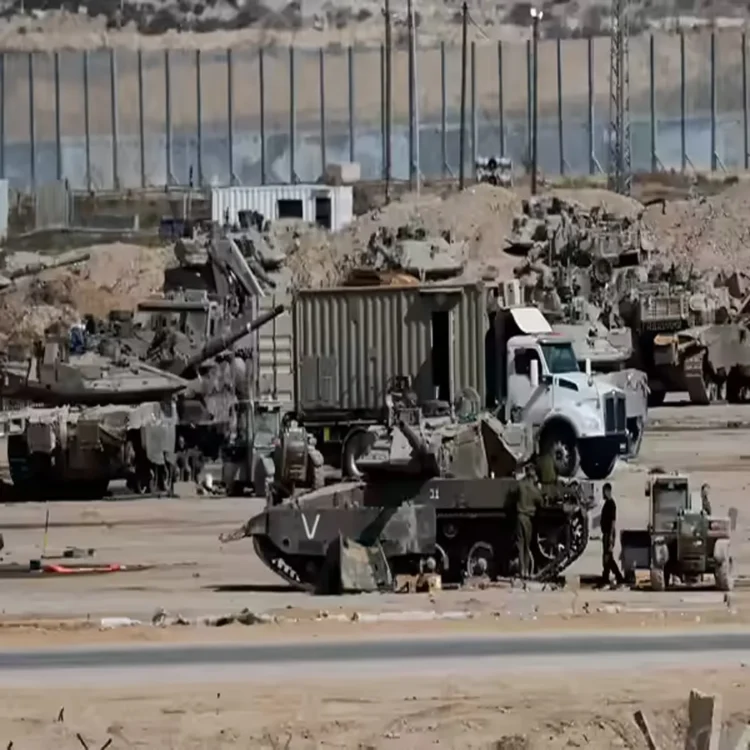
According to a statement issued on Monday by Israeli Defence Minister Israel Katz, the government remains committed to maintaining a military presence in what it describes as strategic security zones. The announcement came shortly after Washington and Tehran revealed a diplomatic understanding intended to reduce regional tensions.
Israel Emphasizes Border Protection Strategy
Katz stated that the policy, supported by Prime Minister Benjamin Netanyahu, is focused on preventing threats from militant organizations and safeguarding communities located near Israel’s borders. He said Israeli forces would continue to operate in areas considered essential for national security.
The defence minister explained that military operations would include the removal of infrastructure believed to be linked to armed groups. He added that structures allegedly used for military purposes in frontline locations would be dismantled as part of ongoing security efforts.
Security Zones Seen as Strategic Achievement
Israeli officials view the establishment and maintenance of security zones as a significant component of the country’s defence strategy. Katz stressed that withdrawing troops from these areas is not currently under consideration, even amid international pressure and diplomatic developments.
He noted that Israeli leadership has communicated its position to US President Donald Trump, underlining the government’s belief that retaining control of key security areas is necessary to prevent future attacks and maintain regional stability.
Warning Issued Toward Iran
In his remarks, Katz also delivered a strong warning to Iran, saying Israel would respond decisively if it faced any military action linked to developments in Lebanon.
The minister stated that protecting Israeli citizens remains the government’s highest priority and emphasized that security considerations would continue to guide military decisions. He warned that any direct attack from Iran would trigger a powerful response from Israel.
Domestic Criticism of US-Iran Agreement
The agreement announced by the United States and Iran has also sparked criticism within Israel’s political landscape. National Security Minister Itamar Ben Gvir, a prominent figure in the country’s right-wing political camp, publicly rejected the arrangement.
In a message shared through his Telegram channel, Ben Gvir argued that Israel was not a participant in the understanding reached between Washington and Tehran. He maintained that the agreement does not address Israel’s security concerns and therefore carries no obligation for the Israeli government.
Uncertainty Remains Over Regional Impact
The latest developments highlight continuing divisions over how security should be managed in the region following months of heightened tensions. While international diplomatic efforts are seeking to reduce conflict and prevent further escalation, Israeli officials have made clear that military considerations will remain central to their approach.
Observers note that the differing reactions to the US-Iran agreement illustrate the complex challenges facing regional diplomacy. As negotiations and security operations continue, attention is likely to remain focused on the future of border areas in Lebanon, Syria, and Gaza, along with the broader implications for Middle East stability.