
MarbleImports – Rising Shipping Costs Reshape India’s Marble Import Market
MarbleImports – India’s marble import sector is witnessing significant changes as ongoing tensions in West Asia continue to disrupt international trade routes and increase transportation expenses. Industry participants say the situation has forced businesses to reconsider their sourcing strategies while dealing with sharply rising logistics costs.
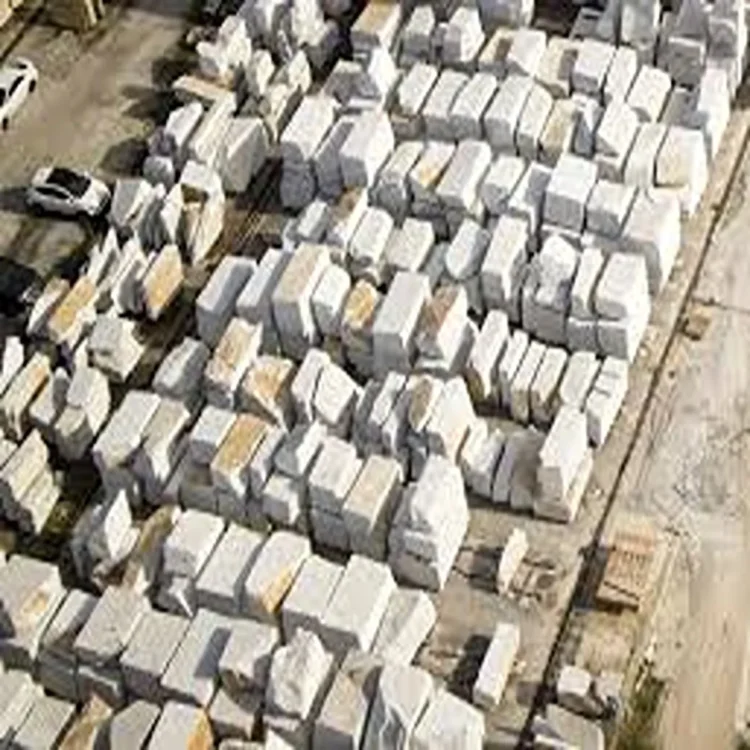
Trade Route Challenges Impact Importers
A major concern for importers has been the disruption of maritime traffic through the Strait of Hormuz, one of the world’s most important shipping corridors. Businesses that depend on stone and mineral imports from the Middle East have experienced increased costs and operational challenges as a result of restrictions affecting the route.
According to industry representatives, the changing trade environment has made it increasingly difficult to rely on traditional suppliers across several Middle Eastern countries. This has prompted companies to diversify their procurement networks and seek more stable alternatives.
New Markets Gain Importance
As sourcing from parts of the Middle East becomes less practical, importers have started strengthening relationships with suppliers in other regions. Countries such as Sri Lanka, Vietnam, Japan, and Australia have emerged as important alternatives for businesses looking to maintain steady supplies.
Industry experts note that suppliers across Europe and various Asian nations have also stepped in to help meet demand. These markets are gradually compensating for the reduced availability of materials previously sourced from Middle Eastern exporters.
Supply Chain Pressures Extend Beyond Stone Imports
The impact of the regional conflict extends beyond the transportation of finished stone products. Businesses involved in manufacturing and processing stone materials are also facing challenges linked to global supply chain disruptions.
Rishabh Jain, Director of International Business at Petros Stone LLP, explained that the industry depends heavily on supply networks connected to China for several essential raw materials and machinery-related components. One notable example is resin, a key ingredient used in the production of quartz stone slabs, which is largely imported from China.
According to Jain, disruptions across international supply chains have led to substantial increases in the cost of these materials. In some cases, prices have nearly doubled compared with previous levels, placing additional financial pressure on manufacturers and importers alike.
Freight Expenses Record Sharp Increase
Shipping costs have emerged as one of the most significant challenges facing the sector. Jain highlighted the dramatic rise in freight charges over the past several months.
Before the current geopolitical tensions intensified, transporting a container of stone typically cost around USD 500. However, freight expenses have now climbed to nearly USD 5,000 per container. This increase has significantly affected overall import costs and reduced profit margins for many businesses operating in the stone industry.
Alternative Shipping Routes Offer Some Relief
While the disruption has created difficulties for certain imports, not all businesses have experienced the same level of impact. Anand Reddy MG, Founder and CEO of HMG Stones, said the effect largely depends on the origin of the materials being imported.
He explained that products such as marble, travertine, and onyx sourced from countries including Oman, Iran, Afghanistan, and the United Arab Emirates have been affected due to their dependence on Middle Eastern shipping routes. However, imports originating from other regions continue to move through alternative maritime pathways.
Reddy noted that many shipments are being transported through the Suez Canal and around Africa’s Cape of Good Hope, helping companies maintain access to international markets despite disruptions in the Gulf region.
Industry Adapts to Changing Conditions
As geopolitical uncertainties continue to influence global trade, India’s stone and marble industry is adapting by expanding supplier networks and adjusting logistics strategies. While higher freight rates and supply chain disruptions remain major concerns, businesses are actively exploring new sourcing destinations to ensure continuity and reduce dependence on any single region.