
Mahakal – Thousands Gather at Ujjain Temple for Sacred Bhasma Ritual
Mahakal – A large number of devotees gathered at the revered Shri Mahakaleshwar Temple in Ujjain, Madhya Pradesh, on Tuesday to mark the occasion of Vaishakh Krishna Paksha Panchami. The temple, one of the most significant Jyotirlinga sites in India, witnessed a steady flow of pilgrims from early morning hours, reflecting deep-rooted faith and tradition.
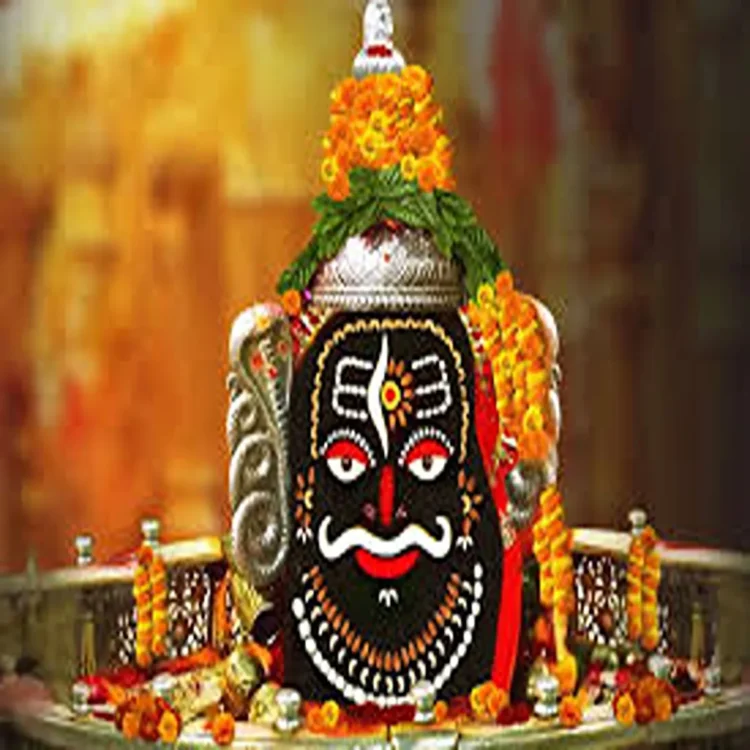
Sacred Ritual Begins Before Dawn
The temple doors were opened during Brahma Muhurat, a pre-dawn period considered highly auspicious in Hindu belief. Soon after, the traditional Bhasma Aarti commenced with a ceremonial Jalabhishek of Lord Mahakal. Priests performed the ritual with precision, following established scriptures and long-standing temple traditions.
The atmosphere inside the temple was filled with spiritual energy as devotees watched the proceedings with devotion. The rhythmic chants of “Har Har Mahadev” and “Jai Mahakal” echoed through the premises, creating a deeply immersive experience for those present.
Unique Significance of Bhasma Aarti
The Bhasma Aarti is among the most distinctive and widely known rituals performed at the Mahakaleshwar Temple. Conducted by the Mahanirvani Akhada, this ritual is known for its unique use of sacred ash. The ash is traditionally prepared from the burnt wood of specific trees, including Peepal, Palash, Shami, Bel, and Gohari, each holding religious importance.
During the ritual, Lord Mahakal is believed to appear in a tangible, manifest form, offering devotees a rare opportunity for divine darshan. This transformation from a formless to a visible presence holds deep spiritual meaning for followers.
Ritual Practices and Offerings
After the completion of the Bhasma Aarti, the deity was again bathed through Jalabhishek and worshipped using Panchamrit, a sacred mixture made from milk, curd, honey, sugar, and ghee. These offerings form an essential part of traditional Hindu worship and symbolize purity and devotion.
The elaborate rituals, combined with disciplined execution, reflect the temple’s commitment to preserving its ancient customs. Every step is carried out with careful adherence to religious texts, ensuring continuity of practice across generations.
Devotee Participation and Traditions
The event saw participation from devotees across different regions, many of whom had arrived well in advance to witness the early morning ceremony. The crowd maintained order as temple authorities ensured smooth conduct of rituals.
In line with long-followed customs, women are not allowed to directly witness the Bhasma Aarti. However, they can participate in the darshan by observing specific guidelines, including covering their heads with a veil or odhni. This practice continues to be respected and followed within the temple premises.
A Center of Faith and Cultural Heritage
The Shri Mahakaleshwar Temple remains one of the most important spiritual destinations in India, attracting thousands of pilgrims daily. Events like the Bhasma Aarti not only hold religious value but also highlight the rich cultural and ritualistic traditions associated with the temple.
As devotees left the temple after the ceremony, many described the experience as deeply fulfilling and spiritually uplifting. The continued observance of such rituals underscores the enduring faith and devotion that define the temple’s significance.