
Infrastructure – PM Modi Calls for Faster Resolution of Water Disputes and Project Delays
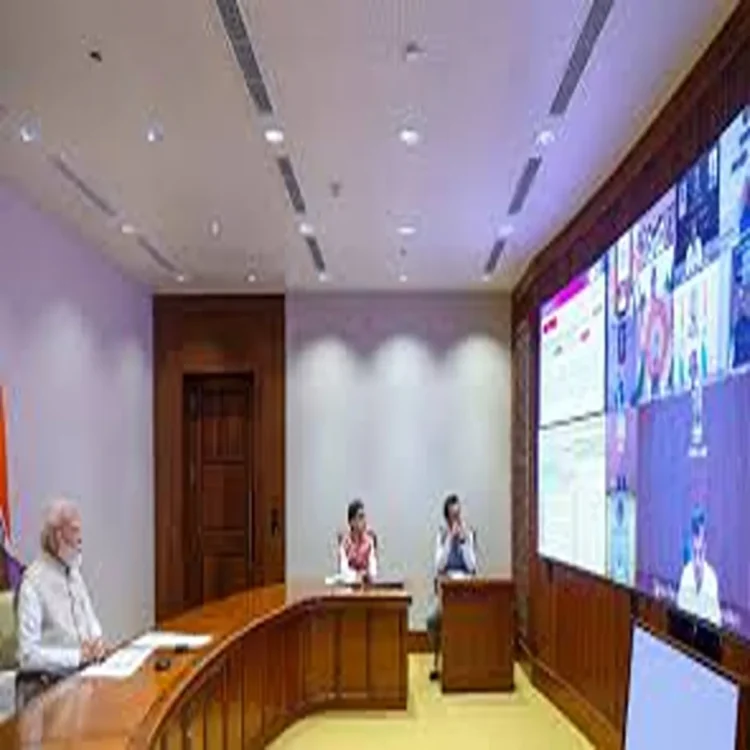
Infrastructure – Prime Minister Narendra Modi on Wednesday chaired the 51st meeting of PRAGATI, a platform designed to monitor major government programs and infrastructure projects. During the review, he emphasized the need for states to work together in resolving inter-state water issues and urged authorities to accelerate administrative processes to ensure timely completion of development projects. The Prime Minister highlighted that better coordination and prompt decision-making are essential for improving public service delivery and reducing project delays.
Focus on Water Management and River-Linking Projects
A significant portion of the discussion centered on water resource management. Referring to the Ken-Betwa river-linking initiative, Modi described the project as a positive example of cooperation between states and encouraged similar efforts in regions facing water-sharing concerns. He suggested that states explore opportunities involving river interlinking, water conservation programmes, groundwater replenishment measures, and modern irrigation systems. According to him, these initiatives should be implemented through a coordinated strategy to strengthen long-term water security and improve the efficient use of natural resources.
Review of Major Infrastructure Developments
The Prime Minister also reviewed seven large-scale infrastructure projects spread across nine states. These projects, covering the railway, road transport, and power sectors, involve investments of nearly Rs 30,000 crore. During the assessment, attention was given to project timelines, coordination among agencies, and the resolution of pending administrative and operational challenges.
Modi noted that delays in public infrastructure projects often lead to rising costs and postpone benefits intended for citizens. He directed concerned departments and state administrations to remove bottlenecks and ensure faster implementation through continuous monitoring and improved coordination.
Greater Use of Technology and Renewable Energy
The meeting also examined progress in the power sector. Modi stressed the importance of expanding rooftop solar energy systems across cities, residential areas, and public institutions. He underlined the role of renewable energy in meeting future electricity demands while supporting environmental sustainability.
In addition, the Prime Minister proposed exploring the installation of solar panels over canal networks. Such projects, he said, could help reduce water evaporation, make productive use of existing infrastructure, conserve land resources, and contribute to clean energy generation.
Swachh Bharat Mission Progress Under Review
Another key area of discussion was the implementation of Swachh Bharat Mission-Urban 2.0. Modi stated that the programme should move beyond infrastructure creation and focus more strongly on measurable outcomes. He called for stronger monitoring systems, active community participation, and closer cooperation among all stakeholders involved in the mission.
The Prime Minister instructed states to accelerate the development of waste-processing facilities and GOBARdhan plants to strengthen waste management efforts. He emphasized that effective implementation at the ground level would be critical to achieving the mission’s long-term objectives.
Integrated Development Approach Encouraged
While reviewing transport infrastructure, Modi said that the Vadhavan Port project should be developed as an example of an integrated transport hub capable of supporting multiple modes of connectivity. He also urged ministries, departments, and state governments to adopt a proactive and time-bound approach for resolving implementation challenges.
Officials participating in the meeting noted that the PRAGATI review mechanism continues to play a significant role in improving coordination between the Centre and states. The platform is intended to strengthen accountability, monitor progress regularly, and ensure faster resolution of issues affecting key public programmes and development projects across the country.