
Infrastructure – Government Plans Independent Expert Panel for Tunnel Projects
Infrastructure – The Union government is preparing to introduce a new system aimed at improving safety oversight and technical evaluation in highway tunnel construction projects across the country.
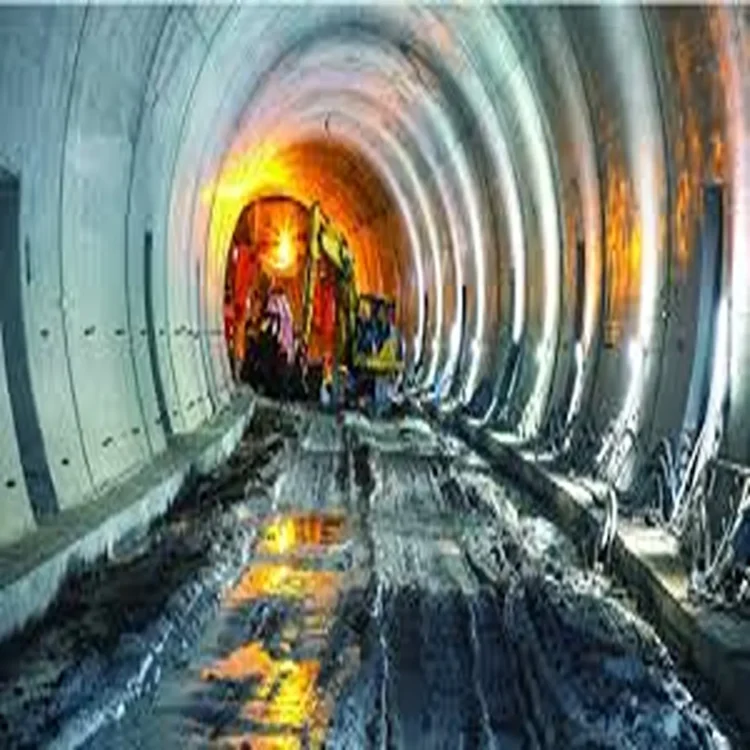
The Ministry of Road Transport and Highways has put forward a proposal to create a national panel of specialised professionals who will independently assess and monitor tunnel projects. This move is intended to strengthen quality checks and ensure that construction practices meet high safety standards, particularly in regions where terrain and geological conditions pose significant challenges.
Need for Stronger Oversight in Complex Terrain
Tunnel construction in mountainous and geologically sensitive areas has increasingly drawn attention due to its complexity and associated risks. Officials believe that the involvement of experienced professionals from multiple disciplines can help identify potential issues at an early stage and prevent costly delays or structural concerns.
Under the proposed framework, experts will examine project plans, including Detailed Project Reports, and provide technical guidance throughout different stages of construction. Their role will also involve evaluating engineering approaches and addressing site-specific challenges that arise during execution.
Role of NHIDCL in Implementation
The National Highways & Infrastructure Development Corporation Ltd, which operates under the ministry, is expected to take the lead in forming and managing this expert panel. The organisation is responsible for developing and maintaining key infrastructure such as highways, tunnels, bridges, and logistics facilities.
According to officials, NHIDCL will shortlist professionals with proven expertise in areas like civil engineering, geology, mining, and electro-mechanical systems. The panel is expected to include retired senior government engineers as well as specialists from consulting firms and independent engineering backgrounds.
Inclusion of Academic and Industry Experts
To further enhance the quality of oversight, the plan also includes drawing expertise from leading technical institutions such as the Indian Institutes of Technology and National Institutes of Technology. These institutions are known for their research capabilities and technical knowledge, which could provide valuable insights into modern tunnelling practices.
By combining academic expertise with field experience, the government aims to create a balanced and comprehensive evaluation system. Consulting firms and independent engineers are also expected to play a key role in offering practical solutions based on industry best practices.
Focus on Independent Review Mechanism
Officials have highlighted the importance of third-party inspections to ensure transparency and accountability in infrastructure projects. The proposed panel will function as an independent body, reviewing work progress and suggesting improvements where necessary.
Senior retired officers, including those who have held positions such as Superintending Engineer and Chief Engineer, are likely to be part of this initiative. Their experience in managing large-scale infrastructure projects is expected to contribute significantly to better planning and execution.
Strengthening Infrastructure Development Standards
The initiative reflects a broader effort by the government to improve infrastructure quality and safety across national highway projects. With increasing investments in road connectivity and logistics, ensuring reliable and durable construction has become a priority.
Once finalised, the panel will be assigned specific tasks related to tunnel projects handled by NHIDCL. These assignments may include reviewing designs, monitoring construction methods, and advising on risk mitigation strategies.
The proposal is still in the planning stage, but officials believe it could bring a more structured and expert-driven approach to tunnel construction in India. If implemented effectively, it may set a new benchmark for infrastructure oversight and project execution standards.