
Infrastructure – Delhi-Dehradun Expressway Set to Transform Regional Connectivity
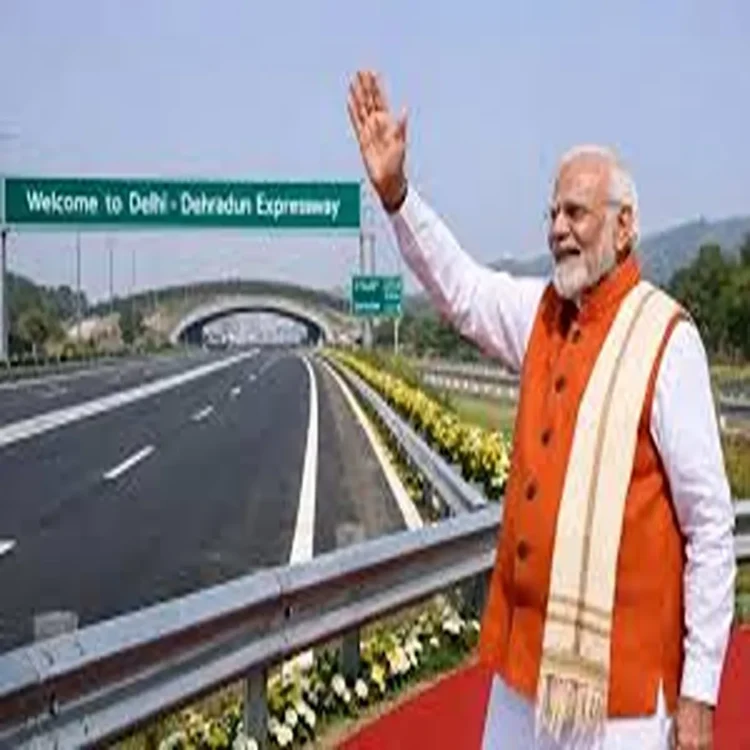
Infrastructure – Prime Minister Narendra Modi is set to visit Uttarakhand and Uttar Pradesh on Tuesday, where he will formally inaugurate the much-anticipated Delhi-Dehradun Economic Corridor, marking a major step in improving transport infrastructure in the region.
Visit Schedule and Key Engagements
According to official information, the Prime Minister will begin his visit in Saharanpur, Uttar Pradesh, around 11:15 am. During this stop, he will assess the wildlife corridor constructed along the elevated section of the expressway. This feature has been designed to ensure safe movement for animals across forest areas intersected by the highway.
Following this review, he will travel towards Dehradun, where he is scheduled to offer prayers at the Jai Maa Daat Kali Temple, a significant religious site located along the route of the corridor.
Formal Launch and Public Address
Later in the day, at approximately 12:30 pm, the Prime Minister will inaugurate the Delhi-Dehradun Economic Corridor at a public gathering in Dehradun. He is also expected to address attendees, highlighting the importance of the project in boosting regional development and connectivity.
Project Scale and Investment
The newly developed corridor spans 213 kilometres and has been constructed as a six-lane, access-controlled highway. The project has been completed at a cost exceeding Rs 12,000 crore. It connects key areas across Delhi, Uttar Pradesh, and Uttarakhand, offering a streamlined route between major urban and tourism hubs.
One of the most significant advantages of the corridor is the reduction in travel time. The journey between Delhi and Dehradun, which currently takes more than six hours, will now be shortened to around two and a half hours, making travel faster and more efficient for commuters.
Key Infrastructure Features
The corridor has been built with several modern infrastructure elements aimed at ensuring smooth and safe travel. These include 10 interchanges, three railway overbridges, and four major bridges. In addition, 12 wayside facilities have been developed to provide essential services for travelers.
An Advanced Traffic Management System has also been integrated into the project. This system is designed to improve road safety and manage traffic flow effectively, enhancing the overall driving experience.
Focus on Wildlife Protection
Given the ecological sensitivity of the region, special measures have been incorporated into the project to protect wildlife and reduce human-animal conflict. A notable feature is the 12-kilometre elevated wildlife corridor, considered one of the longest of its kind in Asia.
The project also includes multiple animal crossings, such as eight dedicated passages, two elephant underpasses measuring 200 metres each, and a 370-metre tunnel near the Daat Kali temple. These features aim to maintain natural animal movement without disruption from highway traffic.
Economic and Regional Impact
Officials believe the Delhi-Dehradun Economic Corridor will significantly contribute to economic growth in the region. By improving connectivity between important tourism destinations and commercial centres, the project is expected to create new opportunities for trade, investment, and employment.
The corridor is also likely to support the development of nearby areas by facilitating easier access and encouraging increased movement of goods and people. Over time, it could play a key role in strengthening the overall infrastructure network in northern India.