
Inflation – Fed Signals Possible Policy Tightening as Price Pressures Stay Elevated
Inflation –The US Federal Reserve signaled that inflation will remain its primary concern as officials evaluate fresh economic data, with policymakers prepared to consider tighter monetary policy if underlying price pressures continue to strengthen.
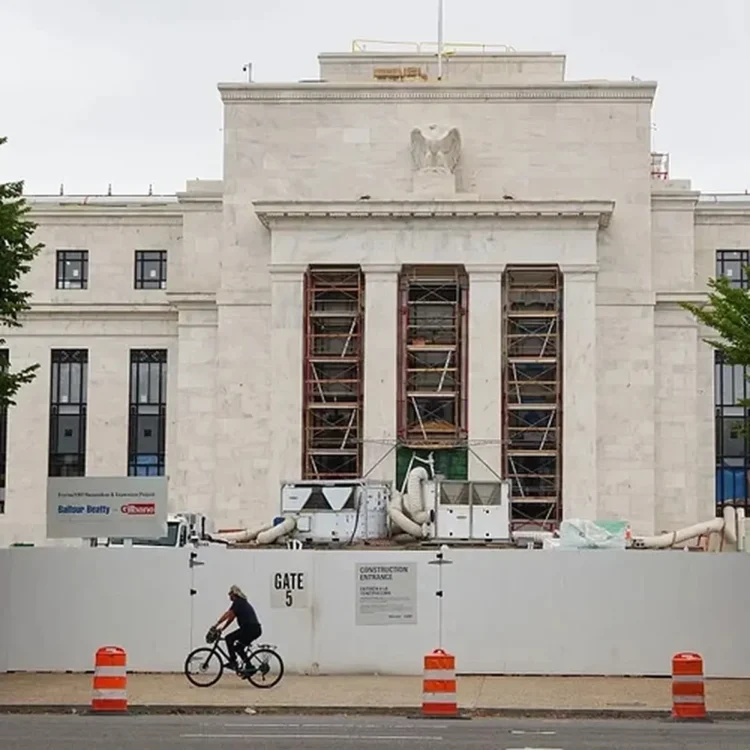
Federal Reserve Keeps Inflation at the Center of Policy Decisions
Federal Reserve Governor Christopher Waller has indicated that the US central bank is prepared to take additional policy action if inflation fails to show convincing signs of easing. Speaking at an event hosted by the New York Association for Business Economics, Waller said the strength of the US economy allows the Federal Reserve to focus on bringing inflation closer to its long-term target without being distracted by short-term fluctuations.
He explained that consumer spending, business investment, and overall labour market conditions have remained resilient. However, the recent movement in inflation has become the primary issue shaping future monetary policy decisions.
Rising Core Inflation Raises Fresh Concerns
According to Waller, underlying inflation has increased steadily during the first half of the year. The 12-month core Personal Consumption Expenditures (PCE) inflation rate climbed from 3.0 percent in December 2025 to 3.4 percent in May, highlighting that price pressures have not eased as expected.
He noted that upcoming Consumer Price Index (CPI) and Producer Price Index (PPI) reports will play a significant role in determining whether the Federal Open Market Committee (FOMC) needs to reconsider its current policy stance. While a moderation in inflation would be welcomed, Waller stressed that policymakers would require several consecutive months of lower readings before concluding that inflation is moving in a sustainable downward direction.
Broad-Based Price Increases Demand Close Attention
Waller said recent inflation trends can no longer be explained solely by temporary influences such as import tariffs or commodity price shocks linked to geopolitical tensions. Instead, he pointed out that price increases have spread across a wider range of goods and services, making inflation more persistent than earlier expected.
Because core inflation often provides a reliable indication of future price trends, he warned that allowing the current upward pattern to continue could make it increasingly difficult for the Federal Reserve to return inflation to its 2 percent objective under existing policy settings.
Lessons From the Inflation Surge of 2021
Reflecting on the central bank’s earlier experience, Waller acknowledged that the Federal Reserve responded too slowly when inflation accelerated in 2021. He said policymakers are determined not to repeat that mistake and will remain alert if inflation continues to exceed expectations.
He emphasized that maintaining a wait-and-see approach would not be appropriate when inflation remains well above target while the labour market continues to operate near full employment. Under such conditions, he said, established monetary policy frameworks generally support higher interest rates to contain inflationary pressures.
Strong Economy Gives Policymakers Greater Flexibility
Despite his cautious remarks, Waller highlighted several important differences between the current environment and the inflation crisis experienced during 2021 and 2022. He explained that the labour market has become more balanced, with job openings and unemployed workers now much closer in number than they were during the earlier period of unusually tight labour conditions.
He also noted that long-term inflation expectations among consumers and financial markets remain well anchored near the Federal Reserve’s 2 percent goal. This provides policymakers with greater confidence to assess incoming economic data carefully while remaining ready to respond if inflation fails to improve over the coming months.