
Indore Water : Contamination Tragedy Draws National Political Attention
Indore Water: Congress MP and Leader of Opposition in the Lok Sabha, Rahul Gandhi, arrived in Indore on Saturday to meet families affected by the recent water contamination tragedy that has shaken the city. His visit focused on offering condolences and expressing solidarity with those who lost their loved ones due to the alleged consumption of polluted drinking water in the Bhagirathpura area. Gandhi visited Bombay Hospital, where several victims were treated, and interacted closely with families still coping with grief and uncertainty.
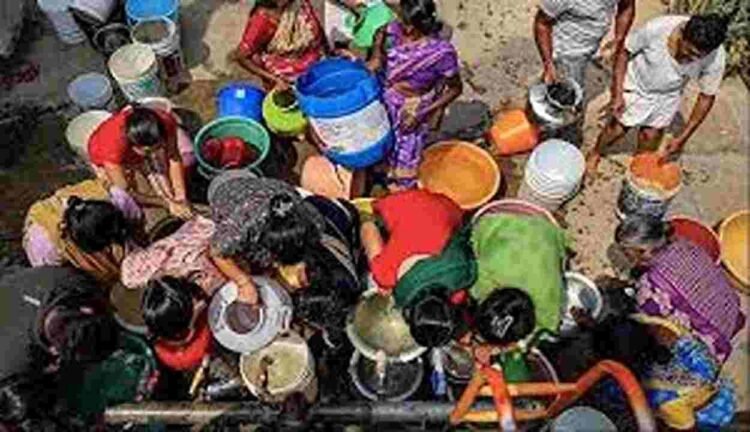
The incident, which reportedly claimed the lives of nearly two dozen people over the past few weeks, has triggered widespread concern among residents and sparked intense political debate in Madhya Pradesh. The tragedy has raised serious questions about civic infrastructure, water safety mechanisms, and administrative accountability in one of India’s most prominent urban centers.
Background of the Indore Water Crisis
The water contamination issue surfaced after residents of Bhagirathpura began falling seriously ill, with symptoms later linked to unsafe drinking water. Despite Indore’s reputation for cleanliness and urban management, the incident exposed vulnerabilities in essential public services. Local communities expressed anger and fear, demanding immediate corrective action and transparency from authorities.
According to preliminary information, contaminated water may have entered the supply due to pipeline damage or improper maintenance. While investigations are ongoing, affected families have alleged delays in response and lack of timely communication from officials. This sense of neglect has intensified public frustration and created an atmosphere of mistrust.
Congress Leadership Shows Solidarity
The Madhya Pradesh Congress Committee had earlier confirmed Rahul Gandhi’s visit, describing it as a humanitarian gesture rather than a political exercise. Party leaders stated that the intention was to listen to the affected families, understand their concerns, and ensure that their voices reach the national level.
During his interactions, Gandhi reportedly assured families that accountability and justice were essential and that such incidents should not be repeated anywhere in the country. His visit was seen by supporters as a morale boost for the victims, many of whom feel sidelined amid administrative processes.
Planned Protests and Political Reactions
Alongside the visit, the Congress party announced a statewide protest in Madhya Pradesh, blaming administrative lapses for the tragedy. Senior leaders such as state Congress chief Jitu Patwari and Assembly Leader of Opposition Umang Singhar are expected to participate. The protest, scheduled for January 17, will involve sit-ins by Congress workers at statues of Mahatma Gandhi across the state.
Party spokespersons emphasized that the protest aims to highlight systemic failures and demand reforms in urban governance and public health oversight. They argue that peaceful demonstrations are necessary to ensure long-term solutions rather than temporary relief measures.
BJP Responds to Opposition Allegations
The visit and protest announcement have significantly raised political temperatures. The ruling BJP accused the Congress of exploiting a human tragedy for political gain. Chief Minister Mohan Yadav stated that the government had acted with sensitivity and seriousness, emphasizing that relief measures were initiated promptly.
Speaking at the AMRUT 2.0 programme in Indore, Yadav expressed disappointment over what he termed as negative politics during a disaster. He urged opposition leaders to offer constructive suggestions instead of politicizing grief, asserting that the administration remains open to dialogue focused on solutions.
Concerns Over Indore’s Civic Image
Urban Development Minister Kailash Vijayvargiya also addressed the controversy, particularly objections raised about Indore’s image as India’s cleanest city. Representing the Indore-1 Assembly constituency, which includes Bhagirathpura, he described the situation as a challenge rather than a failure.
Vijayvargiya stated that urban challenges are inevitable in growing cities and stressed that the BJP-led government has consistently worked towards Indore’s development. He maintained that isolated incidents should not overshadow long-term progress but acknowledged the need for corrective action and improved safeguards.
Broader Implications for Urban Governance
The Indore water contamination tragedy has emerged as more than a local incident. It has become a case study in urban planning, crisis management, and political responsibility. Citizens across the state are closely watching how investigations unfold and whether accountability will be fixed.
The episode underscores the importance of robust water safety systems, regular infrastructure audits, and transparent governance. As political narratives continue to clash, affected families remain at the center of the issue, seeking justice, compensation, and assurance that such a tragedy will not recur.