
Highway – Srinagar-Jammu Route Reopens After Landslide Disruption in Ramban
Highway – The crucial Srinagar-Jammu National Highway has been reopened for passenger vehicles on Tuesday, restoring a vital link that had been suspended for nearly a day due to landslides and falling debris in Jammu and Kashmir’s Ramban district.
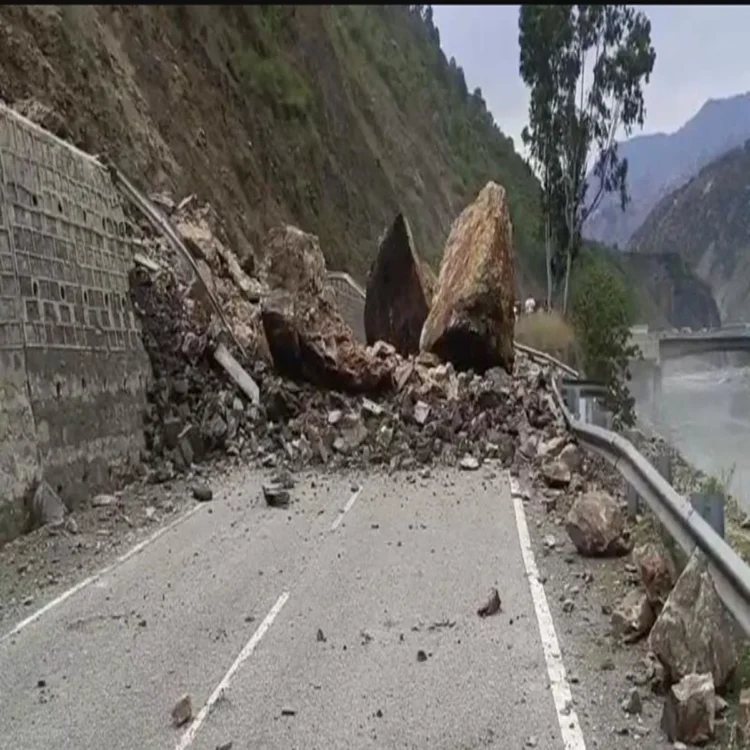
Traffic Movement Restored on Key Route
Officials from the traffic department confirmed early in the day that vehicles are now permitted to move in both directions along National Highway-44. The reopening comes after authorities cleared debris and ensured the route was safe for travel following disruptions caused by landslides and shooting stones.
Senior Superintendent of Police (Traffic National Highway), Raja Adil, stated that normal vehicular movement has resumed after necessary restoration work was completed. The reopening has brought relief to commuters and transporters who were stranded due to the temporary closure.
Advisory Issued for Commuters
Authorities have urged drivers to follow strict lane discipline while using the highway. Officials warned that overtaking or driving on the wrong side could lead to congestion and accidents, especially in vulnerable stretches of the road.
Commuters were also advised to rely only on verified updates from official traffic police platforms, including social media channels and Traffic Control Units. This advisory aims to prevent confusion caused by unverified information circulating among travelers.
Lifeline for the Kashmir Valley
The nearly 300-kilometre-long highway remains the primary supply route for the Kashmir Valley, which does not have direct access to many essential goods through alternative means. Daily necessities such as fuel, cooking gas, and food items continue to be transported via trucks and tankers along this route.
Despite the operational railway link between Jammu and Kashmir, most essential commodities are still transported by road. Supplies including petrol, diesel, LPG, vegetables, poultry, and meat products rely heavily on uninterrupted highway connectivity.
Rail Link Yet to Replace Road Dependency
Although the all-weather railway infrastructure has improved connectivity, it has not yet fully replaced the highway’s role in transporting bulk goods. Experts note that until cargo train operations expand significantly to handle both inbound essentials and outbound agricultural produce, dependence on the road network will remain high.
During peak fruit seasons, the absence of large-scale rail cargo services also limits efficient transportation of goods from the Valley to other markets across the country.
Improved Infrastructure, Persistent Risks
Over recent years, extensive infrastructure upgrades, including tunnels, bridges, and flyovers, have significantly reduced travel time between Jammu and Srinagar. What once took 10 to 12 hours can now be completed in nearly five hours under normal conditions.
However, certain stretches of the highway, particularly between Ramsoo and Ramban, continue to pose challenges. This section is highly prone to landslides and falling rocks, especially during rainfall. Such incidents frequently disrupt traffic and require intensive restoration efforts, sometimes taking several days.
Weather Remains a Key Factor
The highway’s vulnerability to weather conditions remains a major concern for authorities. Rain-induced landslides and shooting stones are recurring issues that impact the reliability of this critical route.
Officials continue to monitor weather patterns closely and deploy rapid response teams to ensure minimal disruption. However, travelers are advised to plan their journeys carefully, especially during adverse weather conditions.