
Heatwave – Delhi’s Rising Temperatures Trigger Health Crisis Among Animals
Heatwave – Delhi’s severe heatwave is not only affecting residents but is also pushing pets and stray animals into dangerous health conditions as soaring temperatures continue across the capital.
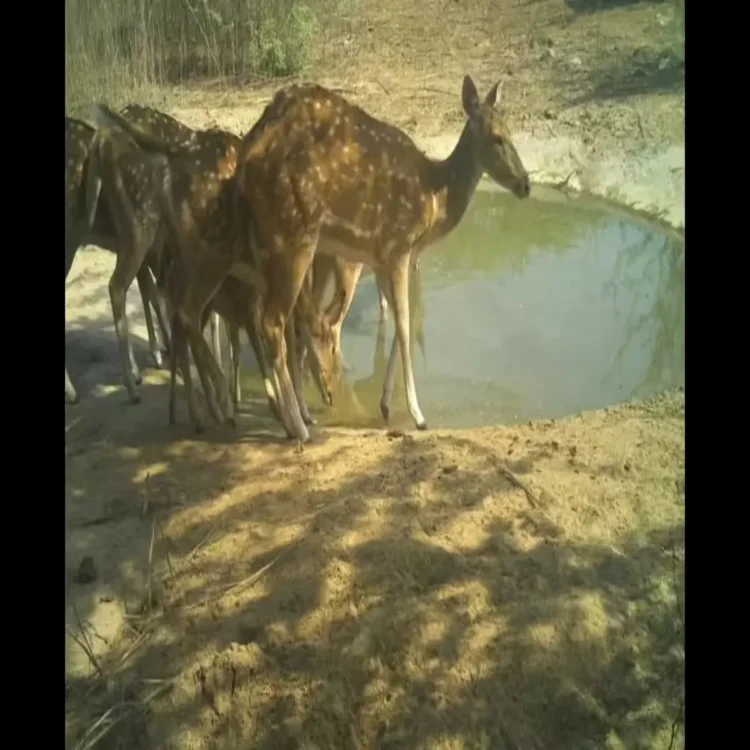
Veterinary doctors and animal welfare workers across Delhi are witnessing a sharp increase in heat-related illnesses among animals as the city faces prolonged extreme weather. From household pets to stray animals roaming the streets, many are struggling to cope with the relentless summer heat.
Veterinary Clinics Reporting More Heat-Related Cases
Doctors working in veterinary clinics say the number of emergency cases linked to heat exposure rises significantly every summer. Dehydration, heat exhaustion, heat stroke, skin infections, and injuries caused by hot roads are among the most common problems reported this season.
Dr Ashwini Verma said animals are highly vulnerable during long periods of extreme heat because their bodies are less capable of regulating temperature efficiently compared to humans. According to him, pets that spend time outdoors often arrive at clinics weak, dehydrated, and visibly stressed due to prolonged exposure to high temperatures.
Veterinarians have also advised pet owners to avoid taking animals outside during peak afternoon hours, ensure constant access to clean drinking water, and maintain cooler indoor environments whenever possible.
Smaller Pets Facing Serious Challenges
The harsh weather is not affecting only dogs and larger animals. Smaller pets such as rabbits and cats are also experiencing severe discomfort and health complications during the ongoing heatwave.
Namika Yadav, who cares for two rabbits, said the intense summer conditions leave them weak and inactive for long periods. She explained that dehydration and fatigue become common problems during hotter days, making continuous monitoring essential.
Experts warn that small animals are especially sensitive to heat because of their body structure and faster metabolism. Without adequate cooling and hydration, their condition can deteriorate rapidly.
Pet Owners Struggling to Keep Animals Comfortable
Many pet owners in the city say maintaining a safe environment for animals has become increasingly difficult as temperatures remain unusually high. Thick-coated breeds are facing even greater discomfort during the heatwave.
Saif Anwar, who owns three cats including a Siberian breed, said keeping indoor spaces cool throughout the day has become necessary for their well-being. He noted that pets become restless, tired, and less active when temperatures rise sharply.
Animal care specialists recommend keeping pets indoors during the hottest hours, using cooling mats or fans, and ensuring regular hydration to reduce the risk of heat-related illnesses.
Stray Animals Facing Greater Risks on City Streets
While pets may still receive shelter and medical attention, stray animals remain among the worst affected during extreme summer conditions. With limited access to water, shade, and medical care, many animals on the streets face life-threatening situations.
Xia Anwar said dehydration among stray animals frequently leads to exhaustion, illness, and emergency medical conditions. Animal welfare volunteers across the city are placing water containers in public spaces and attempting to provide temporary relief to animals struggling in the heat.
Experts and welfare groups are encouraging residents to help by keeping bowls of water outside homes, markets, and residential areas. They believe small community efforts can significantly improve survival conditions for stray animals during intense heatwaves.
As Delhi continues to experience rising temperatures, veterinarians and animal welfare organisations stress that protecting animals from heat exposure is becoming an urgent public concern. They say awareness, preventive care, and timely medical attention are critical to reducing the growing impact of extreme weather on vulnerable animals.