
Groundwater – Parliamentary Panel Flags Rising Contamination in Multiple States
Groundwater – India’s parliamentary panel has raised serious concerns over increasing groundwater pollution across several regions, highlighting both environmental and public health risks.
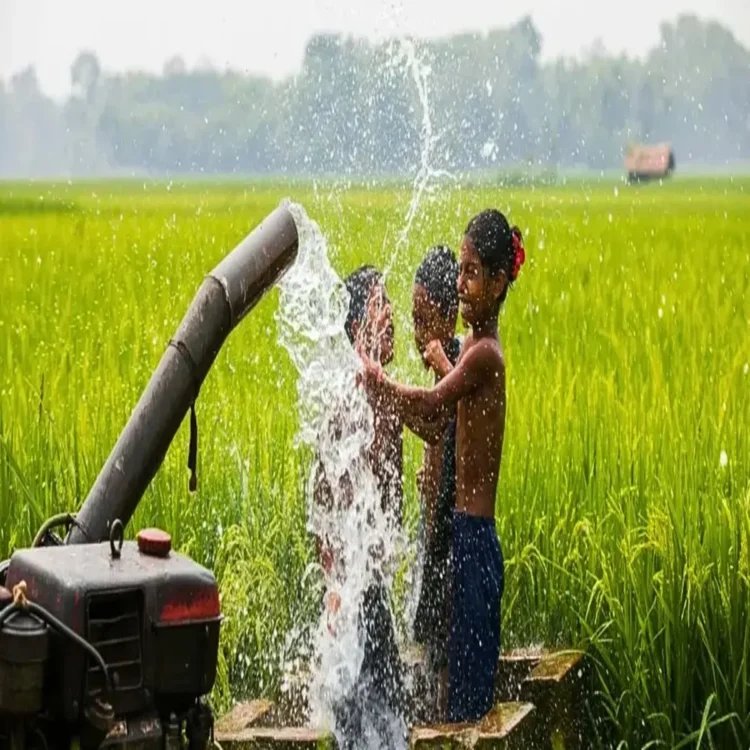
The Parliamentary Standing Committee on Water Resources, in its latest assessment of the Union Ministry of Jal Shakti’s financial requirements for 2026–27, has drawn attention to the growing problem of groundwater contamination and depletion. The report notes that unchecked extraction of groundwater has significantly reduced aquifer levels and caused a steady drop in water tables across many parts of the country.
Widespread Impact Across States
According to official data reviewed by the committee, nearly 4,949 villages spread across eight states—Assam, Bihar, Kerala, Odisha, Punjab, Rajasthan, Tripura, and West Bengal—are currently dealing with chemical contamination in groundwater sources. These findings are based on inputs provided by states through the Jal Jeevan Mission’s monitoring system.
Among these regions, Rajasthan stands out as the most severely affected, with a large number of districts reporting contamination issues. In Punjab, specific districts such as Fazilka, Ferozepur, Moga, and Patiala have reported the presence of harmful heavy metals, including mercury, uranium, selenium, and cadmium in groundwater supplies.
Nature of Contamination Varies by Location
The committee clarified that contamination patterns are not uniform across entire states or regions. Instead, the presence of pollutants depends largely on local geological conditions and specific environmental pressures. This observation aligns with findings from the Central Ground Water Board, which has indicated that heavy metal contamination tends to be highly localized.
Such variations mean that mitigation strategies must be tailored to individual regions rather than relying on a one-size-fits-all approach. The panel has emphasized the need for detailed mapping and monitoring to better understand contamination sources.
Health Risks Demand Immediate Action
Highlighting the risks associated with polluted water, the report stressed that consuming contaminated groundwater can lead to both immediate and long-term health complications. These may include organ damage, developmental issues, and other serious illnesses linked to prolonged exposure to toxic substances.
Given these risks, the committee has urged authorities to take urgent corrective steps. It has recommended ensuring that all affected areas receive access to safe and clean drinking water without delay. The panel has also called for stronger preventive measures to stop further contamination.
Rising Levels of Key Contaminants
The committee’s review of monitoring data from the past five years reveals an alarming increase in certain indicators of groundwater pollution. Parameters such as electrical conductivity, fluoride, and nitrate levels have risen significantly in many districts that were previously considered only partially affected.
This trend suggests that the problem is not only persisting but expanding, raising concerns about the long-term sustainability of groundwater resources in the country.
Monitoring Reports Highlight Irregularities
Additional findings from the Central Pollution Control Board’s regional office in Chandigarh have reinforced these concerns. Teams deployed to examine groundwater quality at 34 identified locations reported several irregularities.
In multiple samples, pH levels were found to be outside the acceptable limits for drinking water. Notably, these deviations exceeded standard guidelines, with no permissible relaxation under existing norms. Such findings underline the urgent need for stricter monitoring and enforcement of water quality standards.
Call for Coordinated National Strategy
The parliamentary panel has recommended a more proactive and coordinated approach to address groundwater challenges. It has asked the concerned department to submit a progress update within three months, detailing steps taken to reduce groundwater exploitation and tackle contamination.
The committee also stressed the importance of collaboration between the central government, states, and union territories. A unified strategy, supported by scientific data and local-level interventions, is seen as essential to manage both water scarcity and pollution effectively.
As groundwater continues to serve as a critical source of drinking water for millions, the report underscores the need for urgent policy action, improved monitoring systems, and sustainable usage practices to safeguard this vital resource for the future.