
FuelPrices – Delhi CNG Rates Rise Again Amid Fresh Fuel Cost Surge
FuelPrices – The cost of compressed natural gas (CNG) in Delhi has gone up once again, increasing the financial pressure on daily commuters and commercial vehicle operators. From Tuesday, consumers in the national capital are paying Rs 83.09 per kilogram for CNG after a fresh hike of Rs 2 per kg. The latest revision marks the fourth increase in CNG prices within a span of less than two weeks.
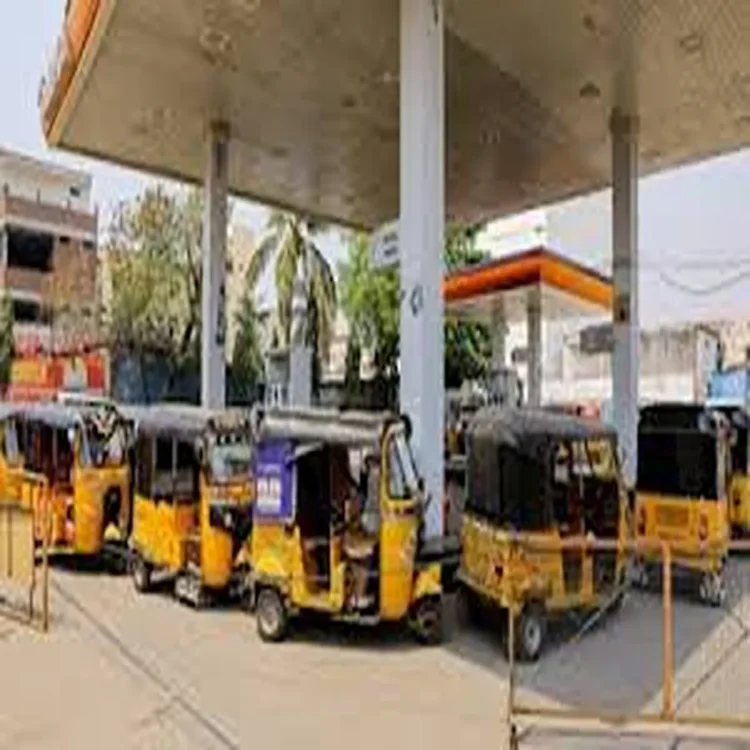
Repeated Price Revisions Add to Commuter Concerns
The latest rise comes only days after a previous increase of Re 1 per kg announced on Saturday. Frequent changes in fuel prices have created concern among households and transport providers, especially in cities where CNG is widely used for public transportation and commercial operations.
Delhi’s transport system depends heavily on CNG-powered buses, taxis, and auto-rickshaws. Industry observers believe the repeated hikes could eventually push up travel fares and operational expenses for fleet operators.
Petrol and Diesel Rates Also Continue Upward Trend
Alongside CNG, petrol and diesel prices have also recorded another sharp increase across major Indian cities. Monday’s revision became the fourth fuel price hike in under two weeks, reflecting continued instability in international energy markets.
In Delhi, petrol prices climbed by Rs 2.61 per litre to reach Rs 102.12, while diesel rates rose by Rs 2.71 per litre, taking the price to Rs 95.20. Similar increases were recorded in Mumbai, Kolkata, and Chennai.
Kolkata witnessed petrol prices touching Rs 113.51 per litre after a rise of Rs 2.87, while diesel moved up to Rs 99.82 following an increase of Rs 2.80. In Mumbai, petrol rates reached Rs 111.21 per litre, and diesel prices rose to Rs 97.83. Chennai also recorded higher fuel costs, with petrol priced at Rs 107.77 and diesel at Rs 99.55 per litre after the latest revision.
Series of Hikes Recorded in May
Fuel prices have seen multiple upward revisions throughout May. Earlier this month, petrol and diesel prices were increased by Rs 3 per litre on May 15. Another rise followed on May 19, when rates were raised by 90 paise per litre.
Later, on May 23, petrol prices were revised upward by 87 paise per litre and diesel by 91 paise per litre. The current increase now makes it the fourth revision in a short period, highlighting the continued pressure on fuel markets.
Global Energy Market Driving Domestic Prices
Fuel prices in India are linked to several international and domestic factors, including crude oil rates, natural gas prices, currency exchange fluctuations, and government taxes. Analysts point to ongoing geopolitical tensions in West Asia and concerns over global energy supplies as key reasons behind the sustained rise in oil and gas prices worldwide.
The fluctuations in international crude markets have contributed to rising procurement costs for fuel companies, leading to repeated revisions in retail fuel prices across the country.
Impact Likely on Inflation and Daily Expenses
Economists believe the continuous rise in transport fuel prices may affect inflation levels in the coming weeks. Higher diesel and CNG costs generally increase logistics and transportation expenses, which can eventually influence the prices of essential goods and services.
For ordinary consumers, the immediate impact is likely to be visible through increased commuting expenses and higher transportation charges. Businesses dependent on road transport may also face additional operational burdens.
Government Highlights Excise Duty Reduction
Amid criticism over rising fuel prices, the central government stated that it had reduced excise duty on petrol and diesel earlier this year to provide relief to consumers. According to Petroleum Ministry Joint Secretary Sujata Sharma, the Centre sacrificed nearly Rs 14,000 crore in tax revenue after lowering excise duties.
The reduction, announced on March 27, cut central excise duty by Rs 10 per litre on both petrol and diesel following a sharp increase in international crude oil prices linked to tensions in West Asia.