
FloodControl – Desilting Work Gains Pace Ahead of Monsoon in Delhi
FloodControl – With the monsoon season drawing closer, authorities have intensified efforts to clear major drainage channels across the national capital, aiming to reduce the risk of waterlogging and flooding in vulnerable areas.
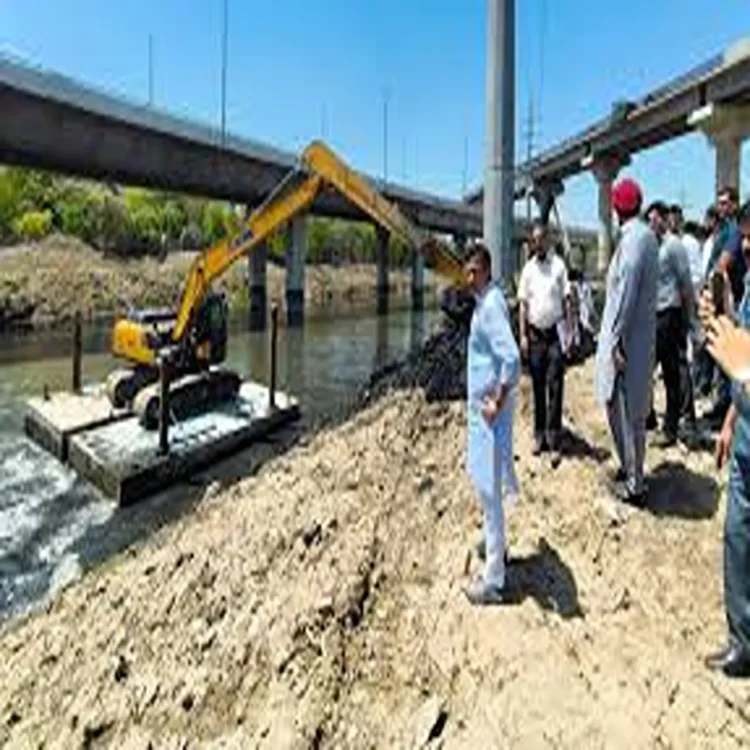
The Irrigation and Flood Control Department has made notable progress in its annual desilting drive, with more than half of the planned work already completed. According to official data, operations across 76 key drains have reached approximately 57.68% of the total target. So far, over 16.48 lakh cubic metres of accumulated silt have been removed, out of the overall goal of 28.5 lakh cubic metres.
Focus on High-Risk Drainage Points
Authorities have placed special emphasis on drains identified as high-risk based on past flooding incidents. Among these, 21 priority drains have recorded significant progress, with desilting work exceeding 76% completion. These drains are considered critical for managing excess rainwater during heavy downpours, making their timely clearance essential.
The strategy this year reflects a shift from reactive measures to a more planned and proactive approach. Officials noted that work is being carried out simultaneously in multiple locations rather than being concentrated closer to the monsoon period. This change is expected to improve efficiency and reduce last-minute challenges.
Najafgarh Drain Sees Steady Progress
The Najafgarh drain system, known for its history of waterlogging and flood-related issues, has shown moderate advancement in the ongoing drive. Nearly 48% of the desilting work in this area has been completed so far. Given its size and importance in Delhi’s drainage network, officials are closely monitoring progress to ensure deadlines are met.
Other drains, numbering 55 in total, have also demonstrated consistent momentum, collectively crossing the 63% completion mark. This indicates that the department is maintaining steady progress across both major and smaller drainage channels.
Structured Execution Across Zones
Officials involved in the project highlighted that this year’s operations are being carried out in a more organised manner. Instead of focusing on isolated areas, teams have been deployed across different zones to ensure uniform progress. This coordinated effort is expected to enhance the overall effectiveness of the drainage system once the rains arrive.
Additionally, locations that experienced severe waterlogging in previous years have been prioritised. By addressing these problem areas early, authorities aim to ensure smoother water flow and reduce the likelihood of disruptions during peak rainfall.
Preventing Urban Flooding Challenges
Desilting plays a crucial role in maintaining the capacity of drains to carry rainwater efficiently. Accumulated silt and debris often obstruct water flow, leading to overflow and waterlogging on roads and residential areas. By clearing these obstructions in advance, the department hopes to mitigate such risks.
Officials stated that regular monitoring and field inspections are being conducted to maintain quality and pace of work. The focus remains on completing the remaining tasks well before the onset of heavy rains, ensuring that the city’s drainage infrastructure is prepared to handle seasonal challenges.
As the monsoon approaches, the progress made so far offers some reassurance, though timely completion of the remaining work will be critical in determining how effectively the city manages rainfall-related issues this year.