
Environment – Supreme Court Limits Deer Population at Delhi’s Hauz Khas Park
Environment – Residents of New Delhi were met with an unusual directive from the Supreme Court on Tuesday, as the country’s top judicial body ordered a significant reduction in the deer population at A N Jha Deer Park in Hauz Khas. The ruling mandates that only 38 deer will remain in the park, while the rest will be relocated to suitable habitats in neighboring states.
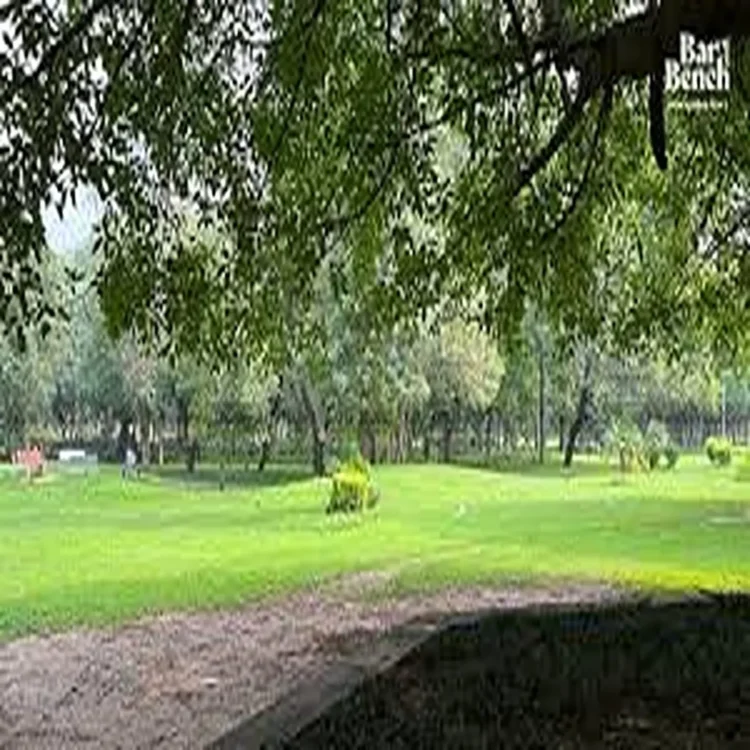
Court Sets Clear Guidelines for Deer Population
The Supreme Court emphasized that the number of deer allowed to stay must follow a scientifically balanced structure. It specified a gender ratio of 15 males to 23 females, aiming to maintain ecological stability within the park. The decision reflects growing concern over the park’s limited capacity to support a larger herd without environmental strain.
Authorities have been instructed to carry out the relocation within a defined timeline. The process is expected to follow established wildlife management practices, ensuring minimal stress and harm to the animals during transportation and resettlement.
Ecological Concerns Prompt Relocation
The Central Empowered Committee, which reviewed the situation, highlighted that the park had reached its ecological limits. According to its findings, the excessive number of deer had begun to affect vegetation, increase competition for resources, and disrupt the natural balance of the area.
Officials noted that overgrazing and overcrowding were key issues, leading to deterioration in habitat quality. The committee’s assessment played a central role in shaping the court’s final decision.
Legal Journey Began with Environmental Challenge
The issue first came to light when an environmental group raised objections to a proposed relocation plan. The group argued that instead of moving the deer, authorities should invest in expanding and improving the park’s infrastructure to accommodate the existing population.
The case was initially heard by the Delhi High Court, where the Delhi Development Authority assured that only a limited number of deer would remain and the rest would be shifted responsibly. Based on these assurances, the High Court closed the matter.
Petitioners Raise Concerns Over Animal Welfare
Dissatisfied with the outcome, the petitioners escalated the case to the Supreme Court. They expressed concerns about how the relocation would be carried out and whether it would negatively impact the well-being of the deer.
The Supreme Court had previously intervened in a similar matter, temporarily halting relocation efforts due to concerns over negligence. This time, however, the court closely examined updated reports and expert recommendations before arriving at its conclusion.
Protected Status of Deer Park Reaffirmed
While approving the relocation, the Supreme Court made it clear that the protected forest status of A N Jha Deer Park will remain unchanged. The court stated that this designation is permanent and cannot be altered under any circumstances.
This clarification ensures that the park will continue to be safeguarded as a green space within the city, even as its wildlife population is adjusted to sustainable levels.
The ruling underscores the importance of balancing urban wildlife conservation with ecological limits. As authorities move forward with the relocation process, the focus will remain on ensuring that both the animals and their habitats are managed responsibly