
Energy – Rajya Sabha Sees Sharp Clash Over LPG Prices and West Asia Crisis
Energy – A tense exchange unfolded in the Rajya Sabha on Wednesday as Leader of Opposition Mallikarjun Kharge and Union Parliamentary Affairs Minister Kiren Rijiju locked horns over the government’s handling of the ongoing West Asia conflict and its perceived impact on domestic LPG prices.
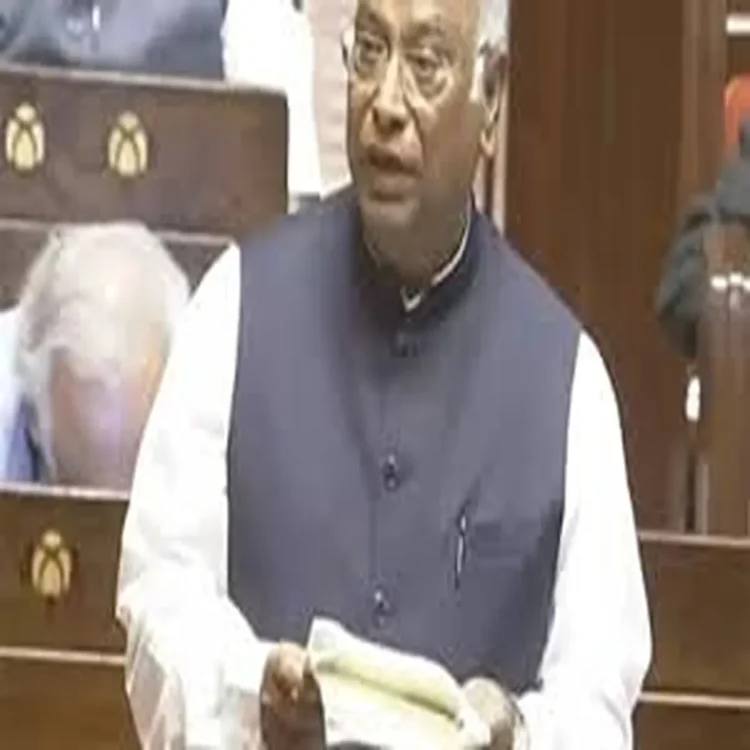
Opposition Raises Concerns Over LPG Price Surge
The disagreement began when Kharge pressed for a detailed discussion on the escalating situation in West Asia, arguing that the conflict has had a direct effect on fuel availability and household expenses in India. He pointed to rising LPG cylinder prices and an alleged shortage, stating that such pressing matters deserved immediate parliamentary attention.
Kharge criticized the government for prioritizing legislative business over what he described as urgent national concerns. He remarked that while there appeared to be enough time to pass bills, there was reluctance to engage in a meaningful debate on issues affecting common citizens. He questioned whether such an approach aligned with democratic values, adding that opposition suggestions were often dismissed without consideration.
Government Responds to Criticism
Responding to these remarks, Rijiju countered that the opposition had not fully participated in earlier discussions on the issue. He noted that an all-party meeting had been convened to address the crisis, but several opposition leaders were not present.
He also highlighted that the Prime Minister had already made statements regarding the situation in both Houses of Parliament. According to Rijiju, the government had taken steps to shield citizens from the financial burden of rising global fuel prices, including reducing excise duties.
Rijiju argued that the matter should not be politicized, emphasizing that the conflict in West Asia is an international issue and not directly linked to India’s internal policies. He called for unity among political parties during challenging global circumstances, suggesting that cooperation was more important than political disagreements at such times.
Debate Over Representation and Accountability
Kharge, however, remained unconvinced. He questioned why the Prime Minister was not personally present during the discussion, arguing that leadership visibility was crucial during times of crisis. Drawing a comparison, he stated that just as the government had sent representatives to certain meetings, the opposition had done the same.
The exchange further intensified when Rijiju accused Kharge of repeatedly targeting the Prime Minister in his speeches. He suggested that the opposition leader’s remarks were less about policy concerns and more about political criticism.
Kharge strongly objected to this allegation and demanded that the minister withdraw his comments. The disagreement added to the already charged atmosphere in the Upper House, reflecting deeper divisions between the government and the opposition on both domestic and international issues.
Larger Context of Rising Fuel Costs
The backdrop to this debate is the broader concern over fluctuating global energy prices, which often influence domestic markets. While the government maintains that it has taken proactive measures to ease the burden on consumers, opposition leaders argue that more transparency and discussion are needed in Parliament.
The incident highlights how international developments can quickly become focal points of domestic political debate, especially when they intersect with everyday economic concerns such as fuel prices.