
Energy – Commercial LPG Prices Surge Sharply While Household Fuel Rates Hold Steady
Energy – The cost of commercial LPG cylinders has risen significantly across India, while household fuel prices remain unchanged.
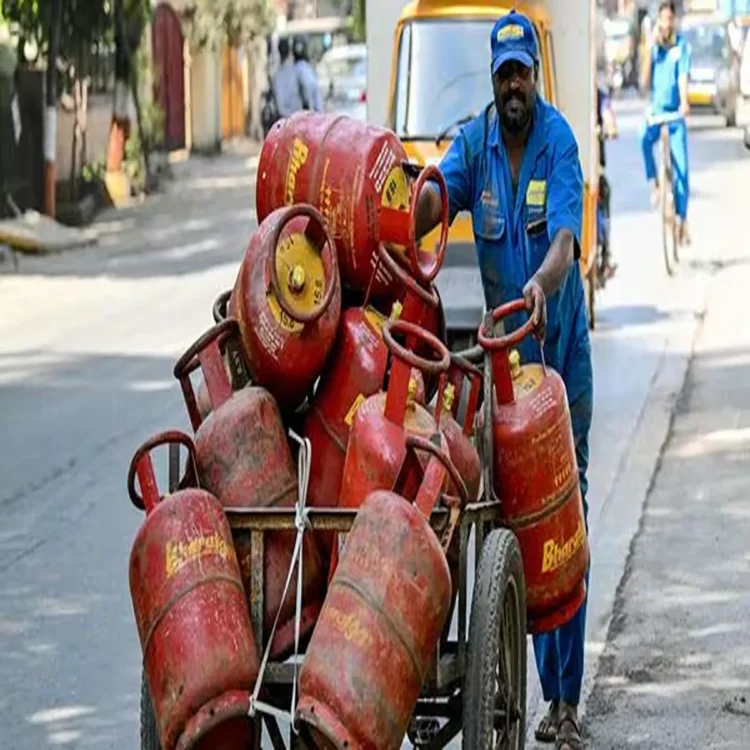
Oil marketing companies have announced a steep increase in the price of commercial liquefied petroleum gas cylinders, commonly used by businesses such as hotels and restaurants. The price of a 19 kg cylinder has been raised by ₹933, effective May 1, 2026. At the same time, there has been no change in the rates of domestic LPG cylinders, petrol, diesel, or aviation turbine fuel for domestic airlines.
Commercial LPG Prices See Sharp Rise
Following the latest revision, a 19 kg commercial LPG cylinder in Delhi now costs ₹3,071.50, compared to its previous price of ₹2,078.50. This marks one of the steepest increases in recent months and is expected to impact operational costs for businesses dependent on LPG.
Officials from Indian Oil Corporation Limited confirmed that the price adjustment applies only to commercial and industrial segments. Household consumers using 14.2 kg domestic LPG cylinders have been shielded from this increase, with no revision announced in their pricing.
Domestic Fuel Prices Remain Stable
Despite the sharp rise in commercial LPG rates, petrol and diesel prices across the country have remained unchanged. Authorities stated that this decision aims to provide relief to the majority of consumers, as these fuels account for nearly 90 percent of total consumption in India.
Similarly, domestic LPG prices have been kept stable for approximately 33 crore households. Aviation turbine fuel used by domestic airlines has also not seen any change, offering some stability to the aviation sector.
Global Crude Oil Trends Drive Pricing Decisions
The increase in commercial LPG prices comes against the backdrop of rising global crude oil prices. International benchmarks recently touched their highest levels in nearly four years, driven by geopolitical tensions in West Asia and disruptions in key energy supply routes.
The Strait of Hormuz, a critical passage for global energy transportation, has seen continued disruptions, affecting the flow of crude oil and liquefied natural gas. India, which imports a significant portion of its energy requirements, remains heavily dependent on this route for crude oil, LNG, and LPG supplies.
Brent crude prices climbed above $126 per barrel before easing to around $112, while WTI crude also saw fluctuations during the same period. These global developments have influenced pricing decisions in India, particularly for segments linked closely to international benchmarks.
Limited Impact on Majority of Consumers
According to officials, around 80 percent of petroleum products have not seen any price changes. This approach is intended to maintain economic stability and protect general consumers from sudden cost increases.
Price adjustments have primarily been limited to sectors with relatively lower consumption shares, such as commercial LPG, bulk diesel, and aviation fuel used for international operations. These segments are typically subject to periodic revisions based on global market trends.
Government Adjusts Export Duties
In a related development, the Finance Ministry has reduced the windfall tax on diesel and aviation turbine fuel exports. The duty on diesel exports has been lowered to ₹23 per litre from ₹55.5, while the tax on ATF exports has been reduced to ₹33 per litre from ₹42.
Officials clarified that there will be no change in excise duties on petrol and diesel meant for domestic use. Additionally, the road and infrastructure cess on diesel exports has been set to zero for the next two weeks starting May 1.
These adjustments follow earlier revisions made in March and April, when export duties were initially imposed and later increased in response to global market conditions.
Balanced Approach to Pricing
Authorities emphasized that the latest pricing decisions reflect a measured strategy aimed at balancing global market realities with domestic economic priorities. By keeping household fuel prices unchanged while adjusting rates for select sectors, policymakers aim to limit the broader impact on inflation and consumer spending.
The situation remains closely tied to global energy developments, and further revisions may depend on how international crude prices evolve in the coming weeks.