
ElephantConflict – Jharkhand Brings Kumki Elephants to Curb Fatal Encounters
ElephantConflict – Jharkhand’s Forest Department is preparing to introduce a specialized wildlife management measure to address the growing human-elephant conflict that has unsettled several districts in recent months. In response to a series of fatal incidents that have claimed more than 27 lives, the state will deploy at least six trained Kumki elephants from Karnataka to help manage aggressive wild herds.
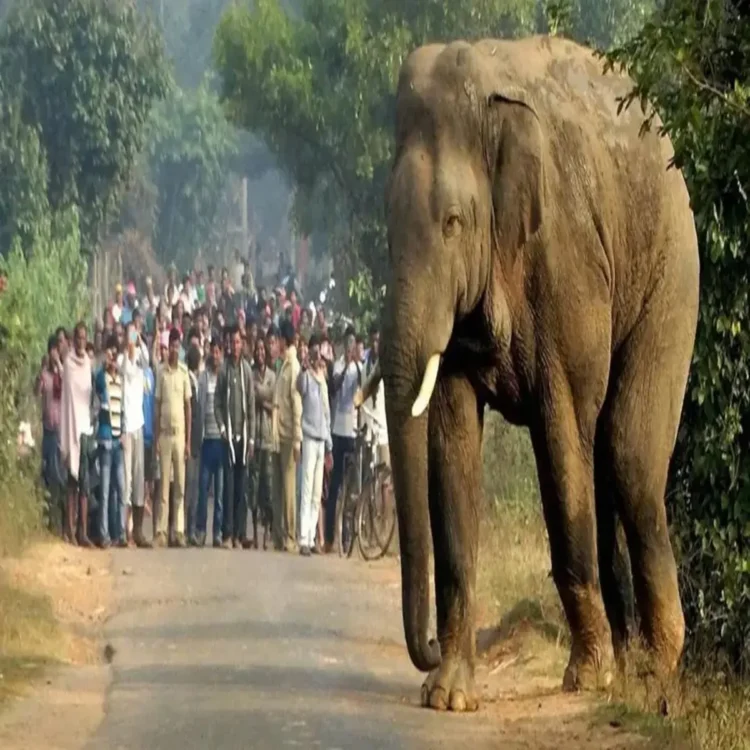
Trained Elephants to Assist in Conflict Zones
The decision comes after repeated reports of elephants straying into villages, damaging crops and, in some cases, attacking residents. Officials said the trained Kumki elephants are expected to assist forest personnel in guiding rogue elephants away from populated areas and back into forest zones.
Kumki elephants are domesticated and specially trained to help control wild elephants without resorting to lethal methods. Their role includes tracking, calming and, if necessary, cornering aggressive animals so they can be safely redirected. According to a senior forest official, these elephants are generally larger and more experienced, making them effective in situations where wild elephants become difficult to manage.
“They are trained to approach rogue elephants closely, allowing our teams to steer them away from human settlements,” the official said, requesting anonymity. “Their size and discipline make it possible to control tense situations without harming the animals.”
Rising Casualties Raise Concern
The move follows a sharp increase in casualties linked to elephant encounters across multiple districts. Recent data indicate that at least 27 people have died in the past few months in Ramgarh, Bokaro, Hazaribagh, West Singhbhum, East Singhbhum, Lohardaga, Gumla and Dumka.
In Chaibasa, a single elephant has reportedly been responsible for more than 17 deaths, creating fear among residents and prompting urgent appeals for action. In another incident in Hazaribagh, a group of five elephants trampled seven people in one night, intensifying anxiety in rural communities.
Forest officials acknowledge that habitat fragmentation and shrinking forest corridors have increased interactions between elephants and humans. As elephants move in search of food and water, they often pass through farmland and settlements, leading to crop damage and, at times, violent encounters.
High-Level Review and Response Plan
The situation was reviewed during a high-level meeting chaired by Chief Minister Hemant Soren. Senior officials from the Forest, Environment and Climate Change Department briefed him on ongoing mitigation efforts and confirmed that arrangements are underway to bring six Kumki elephants from Karnataka.
In addition to deploying the trained elephants, authorities are working to strengthen a rapid response system. This mechanism will involve wildlife experts and trained ground teams who can quickly respond to reports of elephant movement near villages. Officials said better monitoring and early warning systems are also being developed to alert communities in advance.
A Non-Lethal Approach to Wildlife Management
Forest authorities emphasized that the use of Kumki elephants represents a non-violent strategy focused on coexistence rather than confrontation. Instead of tranquilizing or capturing wild elephants whenever conflict arises, the trained animals help guide herds away through controlled and coordinated movements.
Experts believe that such measures can help reduce panic among villagers while minimizing stress on the wild elephants. The presence of trained elephants, managed by experienced mahouts, often creates a natural barrier that influences the movement of rogue herds.
Officials remain cautiously optimistic that the initiative will bring relief to affected districts and prevent further loss of life. While long-term solutions such as habitat restoration and corridor protection are being discussed, the immediate focus remains on ensuring safety for both residents and wildlife.
With communities on edge and forest teams under pressure, authorities hope that the arrival of the Kumki elephants will mark a turning point in managing Jharkhand’s ongoing elephant conflict.