
Elections – Tamil Nadu Campaign Enters Final Phase Amid Rising Heatwave Risk
Elections – As Tamil Nadu moves into the closing stretch of its Assembly election campaign, authorities are preparing for an additional challenge beyond political competition: a sharp rise in temperatures across the state. Weather officials have indicated that a heatwave is likely to develop in several regions, potentially affecting both campaign activities and voter participation.
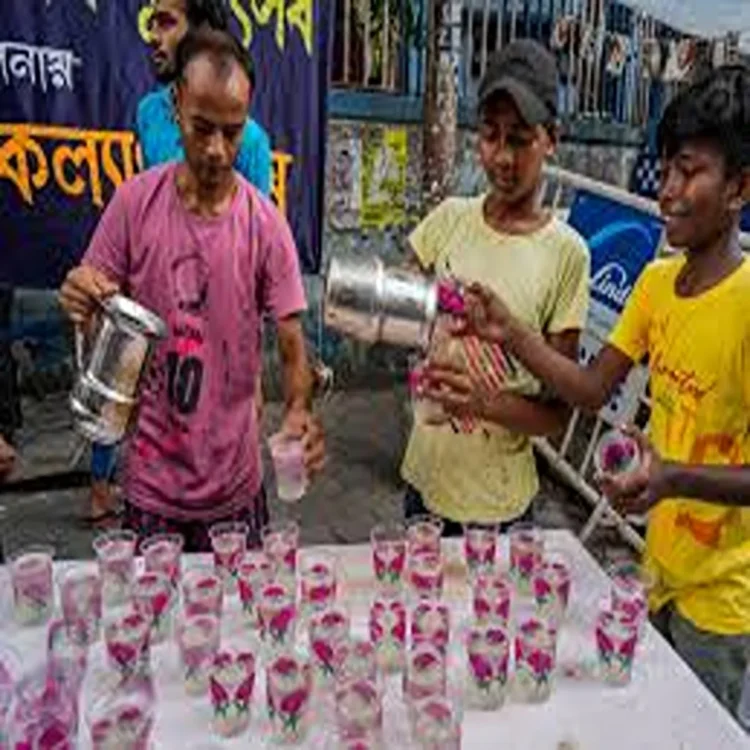
Rising Temperatures During Critical Campaign Period
The expected increase in heat is set to align with the final days of campaigning ahead of the April 23 polls. This overlap has raised concerns among officials about public safety and turnout. According to forecasts issued by the India Meteorological Department, temperatures in Tamil Nadu this April are likely to exceed seasonal averages, particularly in northern coastal areas such as Chennai and nearby inland districts.
While early April has brought occasional rainfall, offering short-lived relief, meteorologists warn that temperatures will climb significantly soon after this phase.
Nighttime Heat Adds to Discomfort
The Regional Meteorological Centre in Chennai has noted that both daytime highs and nighttime lows are expected to remain above normal levels throughout much of the month. Reduced cooling during the night may lead to prolonged discomfort, as people will have less respite from the daytime heat. This sustained exposure can increase the risk of heat-related health issues.
Officials estimate that Tamil Nadu could experience four to five heatwave days this April, compared to the usual average of two to three days.
Weather Patterns Behind the Heatwave
Experts have linked the anticipated heatwave to dry winds originating from the Rayalaseema region. These winds are expected to push temperatures higher, particularly across north coastal Tamil Nadu and certain interior areas. The effect may be especially noticeable during midday hours, when heat intensity typically peaks.
Meteorological authorities have indicated that conditions are likely to remain relatively moderate until around April 10 due to ongoing rainfall. However, once this phase ends, temperatures are expected to rise sharply, with the most intense heat felt between noon and early afternoon.
Impact on Campaign Activities and Public Health
The timing of the heatwave poses a challenge for political parties and election authorities alike. Campaign events such as rallies, roadshows, and door-to-door outreach often involve prolonged exposure to the sun, increasing the risk of dehydration and fatigue.
Large gatherings in coastal regions may face additional discomfort due to high humidity levels. This combination of heat and humidity can make outdoor conditions particularly taxing, especially for elderly participants and campaign workers.
Recognising these risks, the India Meteorological Department has instructed its regional centres to issue regular heat advisories for states undergoing elections.
Precautionary Measures and Advisory Efforts
Officials from the Regional Meteorological Centre have confirmed that daily updates and advisories are being shared with election authorities in Tamil Nadu as well as neighbouring Kerala. These advisories are intended to help organisers plan campaign schedules more safely.
Authorities have urged political parties to consider adjusting event timings to avoid peak afternoon heat. Early morning or evening gatherings may help reduce exposure to extreme conditions. At the same time, voters are being encouraged to take basic precautions, including staying hydrated, wearing light clothing, and limiting time spent in direct sunlight.
Public awareness campaigns are also expected to play a key role in ensuring that both participants and organisers remain alert to the risks posed by the heat.
Balancing Democracy and Weather Challenges
As Tamil Nadu approaches a crucial electoral moment, the convergence of intense political activity and rising temperatures presents a unique challenge. Ensuring voter safety while maintaining democratic participation will require careful planning and cooperation between authorities, political groups, and the public.
With forecasts pointing to continued heat stress in the coming weeks, preparedness and awareness will be essential in navigating this period effectively.