
Elections – Kerala Votes in Key Assembly Polls Amid High Participation
Elections – The state of Kerala witnessed an active and closely watched polling day as voters turned out early to cast their ballots in the 2026 Assembly elections, marking a crucial democratic exercise for the region.
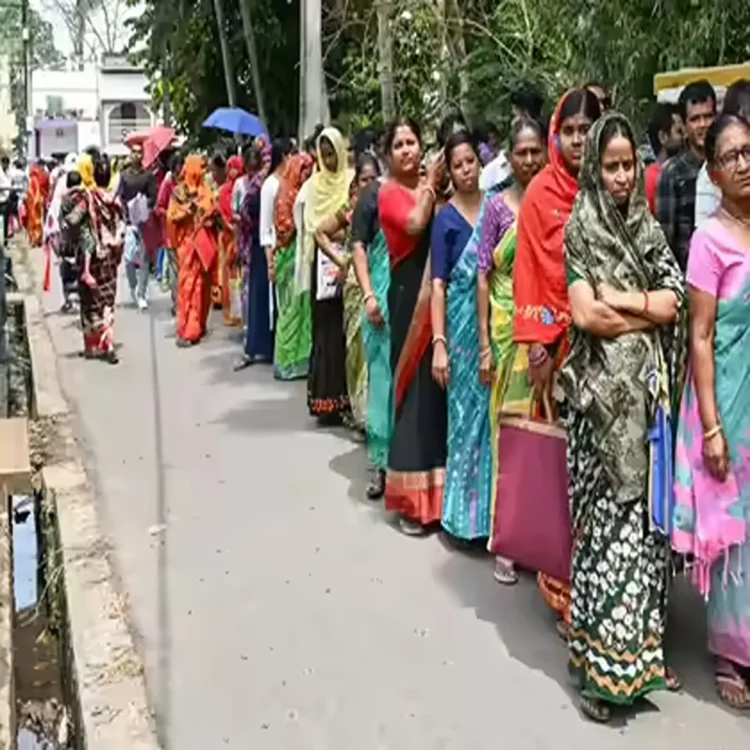
Early Voting and Political Significance
Polling commenced at 7 am across Kerala under tight security arrangements, with several prominent leaders arriving early at polling stations. Among them was Union Minister Suresh Gopi, who voted at a booth located in Guruvayur. He described the day as highly significant for the state and urged citizens to approach their voting decision with seriousness and awareness.
Speaking after casting his vote, Gopi highlighted that the elections in Kerala form part of a broader national electoral cycle. With voting also taking place in regions such as Puducherry and upcoming phases scheduled in Assam and West Bengal, he emphasized that Kerala’s electoral outcome holds considerable importance within this wider context.
Appeal for Thoughtful Decision-Making
Gopi encouraged voters to carefully evaluate their choices before casting their ballots. He stressed that electoral decisions should be made with diligence and clarity, cautioning against blindly placing trust in any political entity. According to him, voters are capable of assessing the progress made over time and should use that understanding to guide their decisions.
He also referred to the performance of political alliances, suggesting that their work and outreach have reached even the most remote sections of society. However, he refrained from making direct claims, instead urging the public to independently assess the changes they have observed over the years.
Scale of the Electoral Exercise
The Kerala Assembly elections are being conducted in a single phase, covering all 140 constituencies in the state. This large-scale democratic process involves over 2.69 crore registered voters. Of these, approximately 1.38 crore are women and 1.31 crore are men, along with a smaller number of voters registered under the third gender category.
A notable aspect of this election is the participation of young voters. Around 4.24 lakh individuals aged between 18 and 19 are casting their votes for the first time. Additionally, more than two lakh senior citizens aged above 85 are also part of the electorate, reflecting a wide demographic involvement.
Extensive Polling Arrangements
To ensure smooth voting, authorities have established more than 30,000 polling stations across Kerala. The Election Commission has deployed around 1.46 lakh trained personnel to manage the process efficiently. Security measures have been strengthened to maintain order and transparency throughout the day.
Officials have emphasized that all necessary arrangements were made in advance to facilitate voters, including provisions for elderly citizens and persons with disabilities. The aim has been to ensure that every eligible voter can participate without difficulty.
Broader Electoral Timeline
The elections in Kerala are taking place alongside polling in other regions, including Assam and Puducherry. While Kerala is completing its voting in a single phase, other states are following multi-phase schedules. Tamil Nadu and West Bengal are set to vote later this month.
The counting of votes for all these elections is scheduled for May 4, when the results will determine the political direction for the respective states and regions.
Looking Ahead
As voting progresses, attention now shifts to voter turnout and post-election analysis. Political parties and observers alike are closely monitoring developments, but the final outcome will depend on the collective choice of the electorate.
The 2026 Kerala Assembly elections represent not only a routine democratic process but also a reflection of public sentiment shaped by governance, development, and policy decisions over the past years.