
Dhruv Rathee- Delhi High Court Seeks Centre’s Decision Within 15 Days
Dhruv Rathee- The Delhi High Court has asked the Centre to decide within 15 days whether a YouTube video uploaded by content creator Dhruv Rathee should be removed following allegations that it offended Hindu religious sentiments.
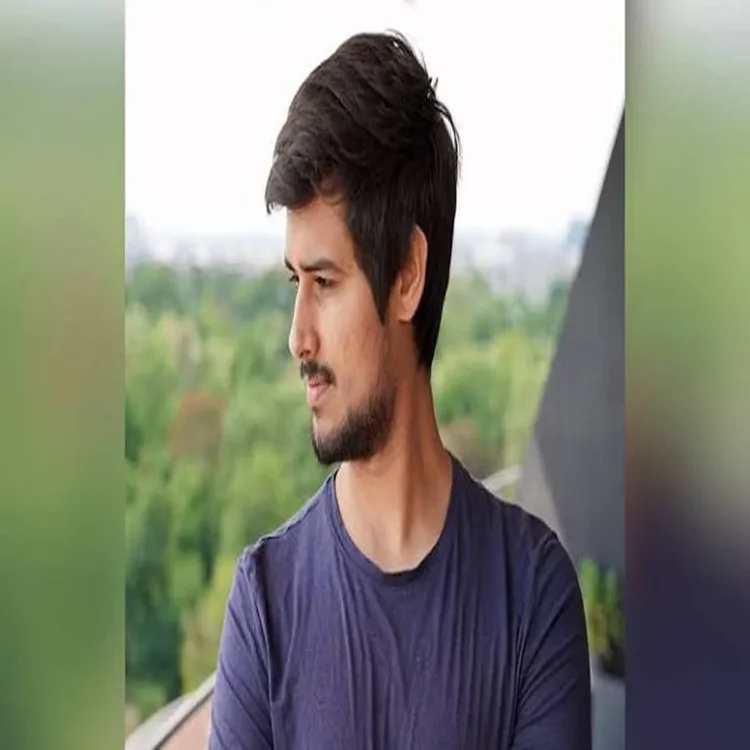
The direction was issued on Friday by Justice Swarana Kanta Sharma while hearing a petition concerning Rathee’s video, “Can Hindus Eat BEEF? | Kerala Story 2 EXPOSED”, which was uploaded on YouTube in March. The court asked the government’s Grievance Appellate Committee to examine the appeal and take a decision within the specified period.
Court Sets Deadline for Grievance Committee
Justice Sharma stated that the Centre’s Grievance Appellate Committee, or GAC, must decide the matter within 15 days. The court also cautioned that any failure to comply with the order would be viewed seriously.
The GAC is a government-established appellate mechanism that allows users to challenge decisions made by social media platforms and other online intermediaries regarding complaints about online posts, videos, accounts and related digital content.
During the hearing, counsel appearing for the Centre submitted that the disputed video was harmful and capable of creating divisions. The government’s side also argued that YouTube should have taken greater care while handling the complaint and should have considered removing the content.
Petitioner Raises Concerns Over Religious References
The petition was filed by advocate Amita Sachdeva, who alleged that the video contained incorrect statements about Hindu religious figures and traditions. According to the plea, Rathee had claimed that certain revered figures, including Ram, Sita and Krishna, consumed meat and alcohol.
Sachdeva argued that such references had caused offence among members of the Hindu community. She described the video as derogatory, inflammatory and sensitive in nature, claiming that it distorted religious texts and undermined the sanctity of Sanatan Dharma.
The petitioner further alleged that the content connected religious dietary practices with caste and political issues in a manner that could contribute to communal tension. She sought directions for the registration of an FIR against Rathee under Sections 196, 299 and 302 of the Bharatiya Nyaya Sanhita.
Centre Questions YouTube’s Due Diligence
Additional Solicitor General Chetan Sharma, representing the government, told the court that YouTube, as an intermediary platform, was expected to follow due diligence obligations while dealing with disputed material.
He argued that the platform should not allow content that could hurt the sentiments of a large section of society or create social divisions. The Centre’s counsel submitted that Google, YouTube’s parent company, should take responsibility for reviewing such complaints and acting where necessary.
The government also indicated that the platform had the option of removing the video without waiting for a detailed judicial ruling. The court recorded the submissions made by the Centre while directing the GAC to decide the appeal.
Google Says Response Already Provided
Counsel for Google informed the court that the company had already responded to Sachdeva’s complaint. Google’s side also pointed out that the petitioner had subsequently filed an appeal before the GAC.
The case now rests with the appellate committee, which will review the complaint, the platform’s response and the arguments raised by both sides. Its decision is expected within the two-week period fixed by the Delhi High Court.
The matter highlights the continuing legal debate around online content, platform accountability and the handling of complaints involving religion and public sentiment on digital platforms.