
Delhi Weather Today: Delhi Wrapped in Dense Fog as Winter Tightens Its Grip on the Capital
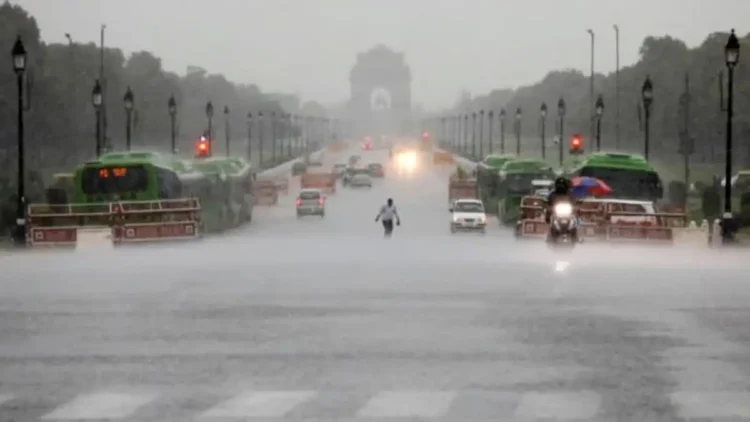
Delhi Weather Today: Residents of India’s national capital experienced a challenging start to Tuesday as a thick layer of dense fog covered large parts of the city. The sudden drop in temperature, falling below 20 degrees Celsius, combined with extremely low visibility, disrupted daily life and significantly affected transportation across Delhi and surrounding regions.
Foggy Mornings and Falling Temperatures
The early hours of the day were marked by intense fog, making visibility dangerously low in several areas. According to weather observations, visibility dropped to nearly 150 meters around 8:00 AM, creating difficult conditions for commuters. Although the situation showed slight improvement later in the morning, with visibility increasing to about 400 meters by 9:30 AM, the overall impact remained substantial.
Cold weather conditions have become more pronounced this week. Daytime temperatures have struggled to rise, while nights and early mornings have turned increasingly chilly. Such conditions are typical during peak winter but have arrived with added severity this season due to persistent fog.
Weather Advisory and Forecast Outlook
Meteorological authorities have issued an advisory warning of dense to very dense fog in the national capital region, expected to continue until December 27. These conditions are likely to recur during night-time and early morning hours, especially when wind speeds remain low and moisture levels stay high.
In the coming days, temperatures are expected to remain near seasonal averages. Maximum temperatures are likely to hover between 19 and 21 degrees Celsius, while minimum temperatures may fall between 7 and 9 degrees Celsius. Skies are expected to remain mostly clear during the daytime, but shallow to moderate fog is forecast to return during late nights and early mornings at least until December 25.
Impact on Road, Rail, and Air Transport
Dense fog has had a direct impact on transportation systems across Delhi. Road travel has become slower due to reduced visibility, increasing the risk of accidents and traffic congestion. Commuters are advised to drive cautiously, use fog lights, and allow extra travel time during peak hours.
Rail services have also been affected, with several trains running behind schedule as safety protocols require reduced speeds in low-visibility conditions. Air travel has faced similar disruptions, with delays and occasional diversions reported at the airport due to poor visibility during early morning hours.
Weather officials have cautioned that such disruptions may continue over the next few days, urging travelers to stay updated on weather conditions and transport advisories before planning their journeys.
Air Quality Deteriorates Sharply
Alongside cold weather and fog, Delhi’s air quality has taken a worrying turn. On Tuesday morning, the city’s Air Quality Index surged into the severe category, crossing the 400 mark by 8:00 AM. Several locations recorded extremely high pollution levels, raising health concerns for residents.
Areas such as Anand Vihar, Ashok Vihar, and Chandni Chowk reported AQI readings well above safe limits, indicating hazardous air conditions. Prolonged exposure to such pollution levels can aggravate respiratory issues, especially among children, the elderly, and individuals with pre-existing health conditions.
Health and Safety Precautions for Residents
With the combination of dense fog, cold weather, and poor air quality, residents are advised to take necessary precautions. Limiting outdoor activities during early morning hours, wearing protective masks, and staying hydrated can help reduce health risks. People with respiratory conditions should follow medical advice and avoid exposure to polluted air as much as possible.
As winter progresses, authorities and citizens alike will need to remain vigilant. Staying informed through reliable weather updates and adhering to safety guidelines can help minimize the impact of these challenging winter conditions on daily life in the capital.