
Conflict – India Condemns Fujairah Attack, Urges Calm Amid Rising Gulf Tensions
Conflict – Prime Minister Narendra Modi on Tuesday voiced strong disapproval of the recent attack on the UAE’s port city of Fujairah, where three Indian citizens were injured. The incident, which occurred following drone strikes that ignited a fire in a key oil facility, has heightened concerns over security in the Gulf region.
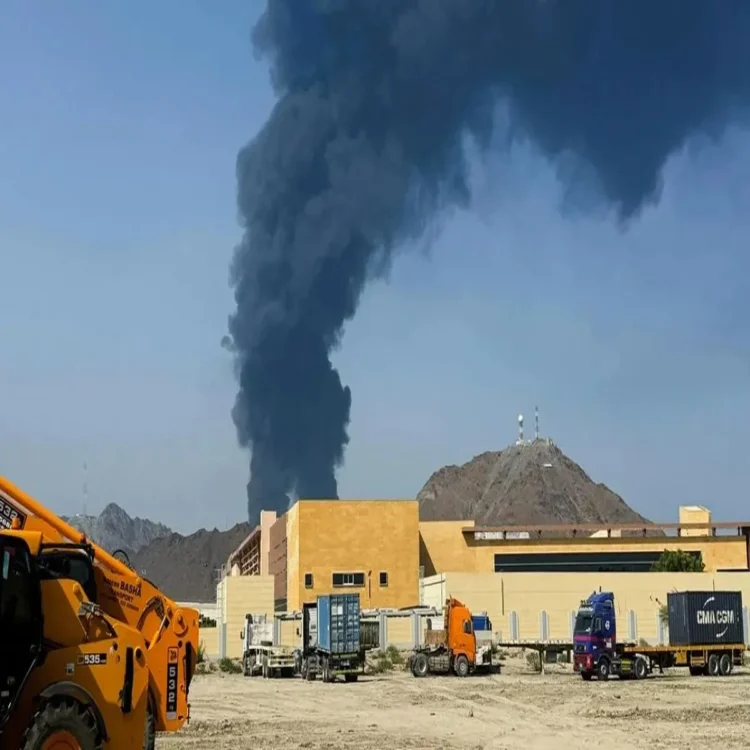
India Reacts to Attack on Fujairah
In a statement shared on social media, the prime minister described the assault as unacceptable, particularly because it endangered civilian lives and critical infrastructure. He emphasized that such actions undermine regional peace and stability. Modi also expressed India’s solidarity with the United Arab Emirates, reaffirming support for resolving conflicts through peaceful dialogue and diplomatic engagement.
The remarks came shortly after reports confirmed that the injured individuals were Indian nationals caught in the aftermath of the strike. The situation has drawn attention in India, given the large expatriate community residing in the UAE.
UAE Blames Iran for Strike
Authorities in the UAE have attributed the attack to Iran, escalating already strained relations in the region. According to official statements, the country’s air defense systems intercepted multiple incoming threats, including ballistic and cruise missiles, along with several drones. Despite these efforts, some damage occurred, leading to the fire in the oil zone and subsequent injuries.
The UAE’s defence ministry stated that it remains on high alert and is fully prepared to respond to any further threats. Officials stressed their commitment to safeguarding national security and protecting critical infrastructure.
Strategic Importance of the Strait of Hormuz
The incident has once again brought attention to the fragile situation around the Strait of Hormuz, a crucial maritime route through which nearly 20 percent of the world’s oil and gas supplies are transported. Prime Minister Modi highlighted the importance of maintaining safe and uninterrupted navigation through this passage, noting its role in ensuring global energy stability.
Recent tensions in the region have disrupted shipping activities, causing delays and increasing risks for vessels passing through the narrow waterway. These disruptions have already contributed to fluctuations in global oil prices and raised concerns about potential energy shortages in several parts of the world.
India Calls for De-escalation
India’s Ministry of External Affairs also issued a statement condemning the attack. Spokesperson Randhir Jaiswal described the incident as unacceptable and called for an immediate cessation of hostilities. He reiterated the need for all parties involved to exercise restraint and avoid further escalation.
India has consistently advocated for peaceful solutions to international conflicts, particularly in regions critical to global trade and energy supplies. The government’s response reflects its broader diplomatic stance of encouraging dialogue over confrontation.
Growing Regional Tensions
The attack comes at a time when a fragile ceasefire between the United States and Iran appears to be under strain. The evolving situation has raised fears of a wider conflict that could impact not only the Middle East but also global economic stability.
Experts believe that continued tensions in the Gulf could have far-reaching consequences, especially if disruptions to oil supply routes persist. For countries heavily dependent on energy imports, maintaining stability in this region remains a top priority.
As investigations into the Fujairah incident continue, international attention remains focused on how regional powers will respond. For now, calls for restraint and diplomacy dominate the global response, with nations urging all sides to avoid actions that could further inflame the situation.