
ClimateChange – Jammu and Kashmir Records Surge in Cloudbursts After Monsoon Arrival
ClimateChange – Since the arrival of the monsoon in early July, Jammu and Kashmir has experienced an unusual rise in cloudburst incidents, leading to widespread destruction in several districts. Within just two weeks, officials reported around 15 to 16 cloudbursts, resulting in flash floods, landslides, and mudslides that affected residential areas, farmland, roads, and both public and private infrastructure. Meteorological experts believe the growing number of such events reflects the broader impact of changing climate conditions.
Recent Cloudburst Hits Pahalgam Region
The latest incident was reported on July 11 in the Awoora area near the popular tourist destination of Pahalgam in Anantnag district. Heavy rainfall within a short period triggered a cloudburst, causing flash floods that entered residential neighborhoods, submerged agricultural fields, and flooded several hotels. The sudden flow of water created panic among visitors and local residents before rescue efforts were launched.
Hotel employees, along with local residents, acted quickly to evacuate tourists staying in affected accommodations. Those rescued were safely moved to secure locations before water levels rose further. Authorities later began assessing the damage caused by the flooding in the area.
Doda District Suffers Heavy Damage
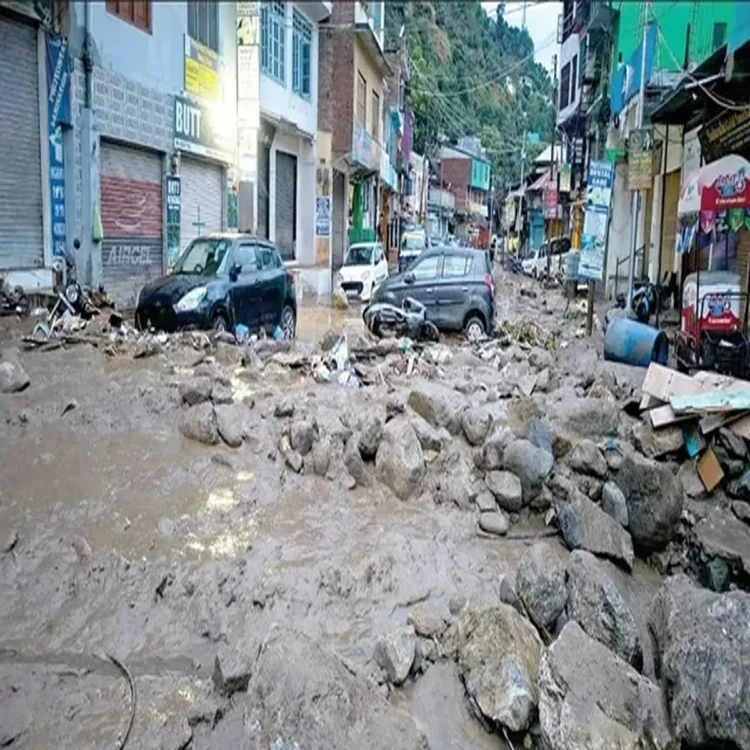
Earlier, on July 7, another cloudburst struck Thathri town in the mountainous Doda district. The intense rainfall triggered both flash floods and mudslides, causing extensive destruction to homes, commercial establishments, and transport routes.
According to officials, nearly 20 to 25 houses and 41 shops sustained damage during the incident. Several vehicles were buried under debris, while some were carried away by the strong current into the Chenab River. Emergency teams worked to clear blocked roads and restore normal movement as local residents assessed their losses.
Northern Border Areas Also Affected
The impact of the severe weather was not limited to southern and central parts of the Union Territory. Earlier this month, remote areas including Tulail Valley and Gurez in north Kashmir, located close to the Line of Control, also witnessed similar weather-related incidents. These regions faced disruptions due to heavy rainfall and sudden flooding, adding to the challenges already faced by residents living in difficult terrain.
Weather Experts Cite Climate Trends
Director of the Meteorological Centre in Kashmir, Dr. Mukhtar Ahmad, said that approximately 15 to 16 cloudbursts have been recorded across Jammu and Kashmir since the monsoon began during the first week of July.
He explained that the rising number of such extreme weather events aligns with the wider effects associated with climate change and global warming. According to him, scientific observations indicate that incidents like cloudbursts could become more frequent in the coming years as weather patterns continue to change.
Predicting Cloudbursts Remains Difficult
Dr. Ahmad also noted that forecasting cloudbursts remains one of the biggest challenges for meteorological agencies worldwide. These events develop over a highly localized area and occur within a very short period, making advance prediction extremely difficult.
He said existing weather models are capable of monitoring broader atmospheric conditions but cannot accurately detect the sudden formation of localized cloudbursts. Because of this limitation, authorities continue to rely on continuous weather monitoring and timely emergency response measures to reduce the impact on affected communities whenever such incidents occur.