
Baglihar Dam – Three Gates Opened as Chenab River Rises in Ramban
Baglihar Dam – Authorities in Jammu and Kashmir opened three gates of the Baglihar Dam on Monday after heavy and continuing rainfall pushed up the water level of the Chenab River in Ramban district. Officials said the move was taken as a precautionary measure to regulate the flow of water through the hydropower project.
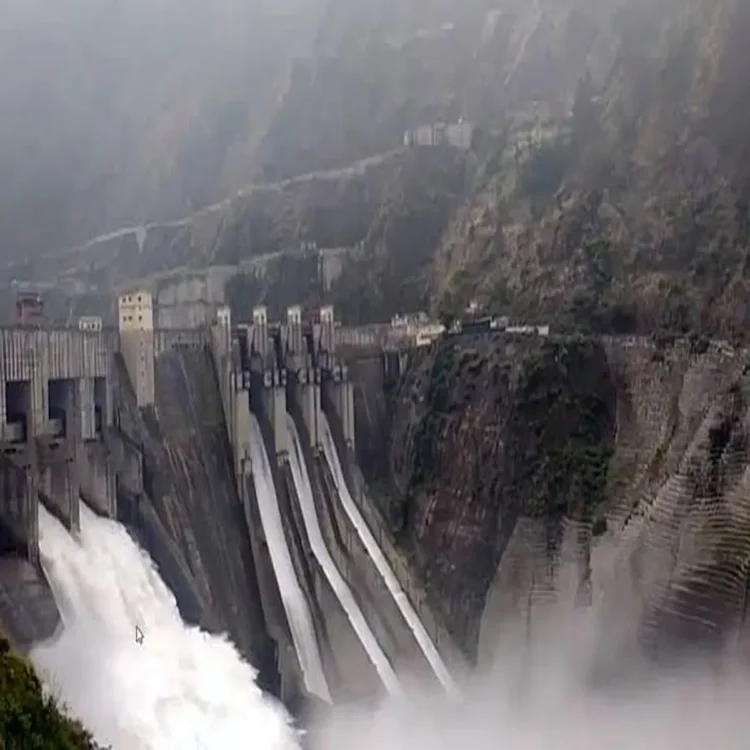
Administration keeps emergency departments on alert
The district administration said weather conditions and river discharge are being closely watched. Departments responsible for disaster response, public safety and essential services have been directed to remain prepared in case the situation worsens.
Officials have not reported any major damage linked to the increased water flow so far. However, residents in vulnerable areas near the river have been advised to remain cautious, particularly as rain continues across parts of the Chenab basin.
Rainfall in upper districts increases river discharge
The rise in the Chenab’s water level followed sustained rainfall in the Doda and Kishtwar areas, which feed into the river system upstream of Ramban. Water releases from dams are generally adjusted during periods of high inflow to maintain safe reservoir levels and protect project infrastructure.
The Baglihar Hydroelectric Power Project is one of the major power facilities built on the Chenab River. Apart from generating electricity, the project also plays an important role in managing river flow during changing weather conditions.
Development comes amid treaty-related discussions
The release of water from the dam comes shortly after India restated its position on the Indus Waters Treaty with Pakistan. The Ministry of External Affairs said the treaty remains in abeyance until Pakistan takes credible and irreversible action to end support for cross-border terrorism.
At a weekly press briefing on Friday, MEA spokesperson Randhir Jaiswal said India’s stand on the agreement had not changed. He said the decision to keep the treaty in abeyance was linked to concerns over continued cross-border terrorism.
India had previously announced on June 5 that the 1960 agreement would remain suspended following the April 2025 Pahalgam terror attack. The government has maintained that its position is based on national security considerations.
India rejects arbitration ruling on water projects
The External Affairs Ministry has also rejected an award issued on May 15, 2026, by a Court of Arbitration concerning maximum pondage and interpretation of treaty provisions. India described the panel as illegally constituted and said it does not recognise its authority.
According to the government, India considers the court’s proceedings and decisions invalid. The dispute has involved objections raised by Pakistan over certain Indian hydroelectric projects on the Chenab and Beas river systems.
Earlier in May, all gates of the Baglihar Dam had remained closed, highlighting how the suspension of the treaty had affected water regulation and hydropower operations in the region.
Indus Waters Treaty governs river-sharing arrangement
The Indus Waters Treaty was signed by India and Pakistan in 1960 to regulate the use of rivers in the Indus basin. Under the arrangement, India has full rights over the Ravi, Sutlej and Beas rivers, while Pakistan receives the waters of the Indus, Jhelum and Chenab.
India retains specified rights to use the western rivers for domestic needs, irrigation and run-of-the-river hydropower generation. These projects are subject to design and operational conditions outlined in the agreement.
India has built several major projects to use water from the eastern rivers, including Bhakra Dam on the Sutlej, Pong and Pandoh dams on the Beas, and the Ranjit Sagar Dam on the Ravi. Other infrastructure, including the Beas-Sutlej Link, Madhopur-Beas Link and Indira Gandhi Nahar Project, has also supported the use of water allocated to India.