
All-Party : Meeting Sets Stage for Parliament Budget Session Priorities
All-Party: The Union Government has scheduled a crucial all-party meeting on January 27, setting the tone for legislative coordination ahead of the upcoming Budget Session of Parliament, which is due to begin on January 28. Such meetings are a customary parliamentary exercise aimed at ensuring smoother proceedings by engaging with political parties across the spectrum before an important session begins.
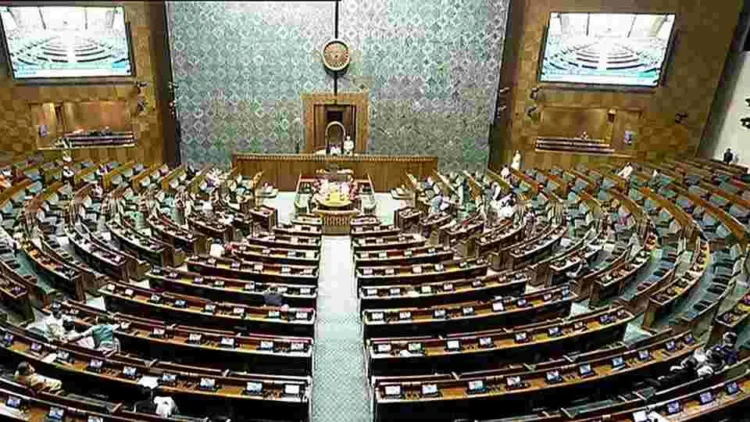
Background and Purpose of the All-Party Meeting
The meeting has been convened by Parliamentary Affairs Minister Kiren Rijiju and will take place at 11 am in the main committee room of the Parliament House Annexe. Leaders from major political parties, including those from the Opposition, are expected to attend. The objective is to discuss the legislative agenda, procedural timelines, and broader political concerns likely to arise during the session.
Traditionally, these discussions also provide the Opposition with an opportunity to flag issues related to parliamentary functioning, including demands for extended debate time and clarity on pending Bills.
Opening of the Budget Session
In line with established parliamentary tradition, President Droupadi Murmu will address a joint sitting of the Lok Sabha and the Rajya Sabha on the opening day of the session. The President’s Address outlines the government’s policy direction and legislative priorities, forming the basis for subsequent debate through the Motion of Thanks.
According to the provisional schedule, the Budget Session will run until April 2. The first phase is set to conclude on February 13, after which Parliament will reconvene for the second phase on March 9.
Union Budget Presentation and Expectations
One of the most closely watched events of the session will be the presentation of the Union Budget on February 1, which notably falls on a Sunday this year. Finance Minister Nirmala Sitharaman is expected to present her ninth consecutive Budget, marking a significant milestone in India’s fiscal history.
Sources indicate that the Budget could focus on measures aimed at accelerating economic growth while aligning with the broader national vision of Viksit Bharat. Policy watchers anticipate targeted allocations for states heading into elections, alongside initiatives designed to strengthen infrastructure, employment generation, and investment sentiment.
Economic Context and Global Factors
The upcoming Budget is being framed against a complex global backdrop. Trade-related challenges have intensified following recent tariff measures announced by US President Donald Trump, which are expected to have implications for Indian exports. How the government addresses these external pressures through fiscal and policy interventions will be closely scrutinized by economists and industry leaders alike.
At the domestic level, there is also speculation that enhanced allocations may be directed toward rural employment and livelihood schemes. Analysts believe such steps could be aimed at addressing Opposition criticism and reinforcing the government’s development narrative.
Legislative Business and Pending Bills
From a legislative standpoint, the session carries a packed agenda. An internal parliamentary circular suggests that three days, from February 2 to February 4, have been provisionally earmarked for discussion on the Motion of Thanks on the President’s Address. There will be no Zero Hour on January 28 and February 1, allowing the Houses to focus on scheduled business.
Currently, nine Bills remain pending before the Lok Sabha. These include proposals related to education reform, securities market regulation, and constitutional amendments. Many of these Bills are under review by Parliamentary Standing Committees or Select Committees, and their progress during the Budget Session will be closely monitored.
Opposition Concerns and Parliamentary Dynamics
It is widely expected that Opposition parties will use the all-party meeting to reiterate concerns over what they perceive as limited opportunities for debate during recent parliamentary sessions. Demands for more inclusive discussion time and greater consultation on key legislation are likely to be raised once again.
As the Budget Session approaches, political observers believe that effective coordination during the all-party meeting could play a decisive role in shaping the tone and productivity of Parliament in the weeks ahead.