
Parliament – Government Signals Key Legislative Move on Women’s Reservation Plan
Parliament – The government has indicated that a significant legislative proposal could be introduced soon, potentially paving the way for expanding Lok Sabha seats and advancing women’s representation in Parliament.
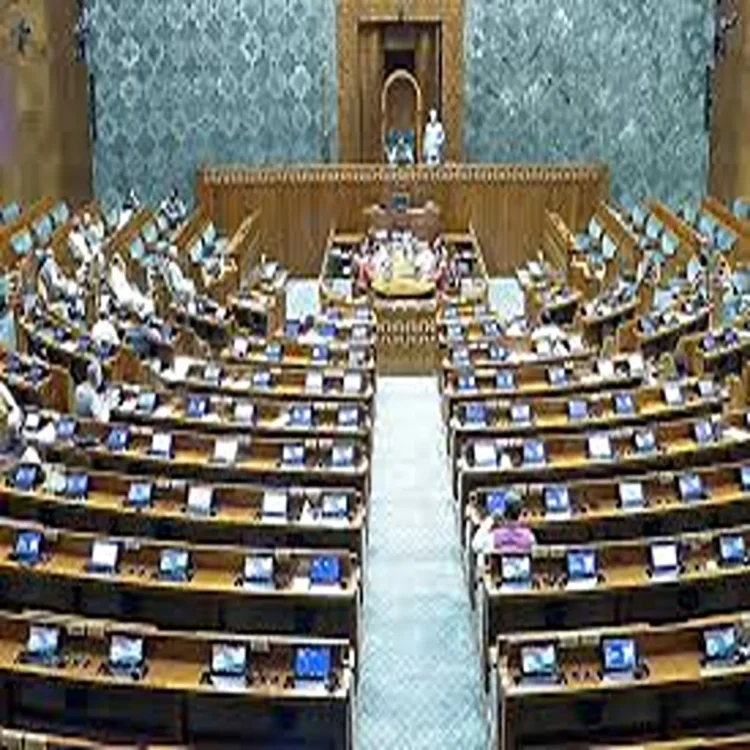
The development emerged on Thursday when Parliamentary Affairs Minister Kiren Rijiju informed the Rajya Sabha that the current session would be adjourned earlier than expected, with members set to reconvene in the coming weeks to consider what he described as a “very important” bill.
Government Hints at Upcoming Legislative Agenda
Speaking in the Upper House, Rijiju stated that while the government would proceed with scheduled business — including the Andhra Pradesh Reorganisation (Amendment) Bill and the Jan Vishwas (Amendment of Provisions) Bill — there were broader legislative priorities under discussion.
He noted that consultations with opposition parties were already underway regarding upcoming proposals. According to him, the government intends to introduce a key bill within the next two to three weeks, prompting the decision to adjourn the House and reconvene shortly thereafter.
Rijiju added that members were already aware of the purpose behind the adjournment, suggesting that discussions had taken place informally across party lines.
Opposition Seeks Clarity and Timing
During the session, Congress leader Jairam Ramesh sought clarification on the government’s legislative plans. He emphasized the need for transparency, particularly given the potential scale and implications of the proposed changes.
Ramesh also conveyed the opposition’s view that any all-party meeting on the matter should take place only after the completion of ongoing state assembly elections, scheduled to conclude on April 29. The timing, he suggested, would ensure a more focused and less politically influenced discussion.
Focus on Women’s Representation and Seat Expansion
The anticipated legislation is believed to be linked to implementing reservation for women in Parliament, a long-standing issue in Indian politics. Reports indicate that the government has been engaged in backchannel discussions to introduce measures that would facilitate this reform.
One of the key aspects under consideration is increasing the number of seats in the Lok Sabha, potentially raising it from the current 546 to around 861. Another proposal involves separating the process of delimitation from the national Census, which could accelerate changes in parliamentary representation.
These measures are seen as crucial for effectively implementing women’s reservation without disrupting existing electoral balances.
Congress Expresses Support with Caution
Leader of Opposition in the Rajya Sabha, Mallikarjun Kharge, reiterated that the Congress party supports the idea of providing reservation for women in legislative bodies. However, he cautioned that the proposed bills carry long-term consequences and must be examined carefully.
Kharge also raised concerns about the timing of the government’s move, suggesting that introducing such significant legislation close to state elections could be politically motivated.
Government Rejects Political Motive Allegations
Responding to the criticism, Rijiju dismissed claims that the initiative was driven by electoral considerations. He stressed that the government remains committed to fulfilling its promises to women across the country and urged all parties not to politicize the issue.
According to him, the proposed reforms should be viewed as a step toward strengthening democratic representation rather than as a tool for political advantage.
What Lies Ahead
With Parliament set to reconvene in the coming weeks, attention is now focused on the details of the anticipated bill. If introduced, it could mark a significant shift in India’s legislative framework, particularly in terms of gender representation and parliamentary structure.
The upcoming discussions are expected to involve extensive debate, given the scale of the proposed changes and their long-term impact on the country’s political landscape.