
HateSpeech – Supreme Court Declines Plea on Brahmin Hate Speech Recognition
HateSpeech – The Supreme Court on Friday chose not to proceed with a petition seeking legal recognition of hate speech directed at the Brahmin community as a distinct punishable offence.
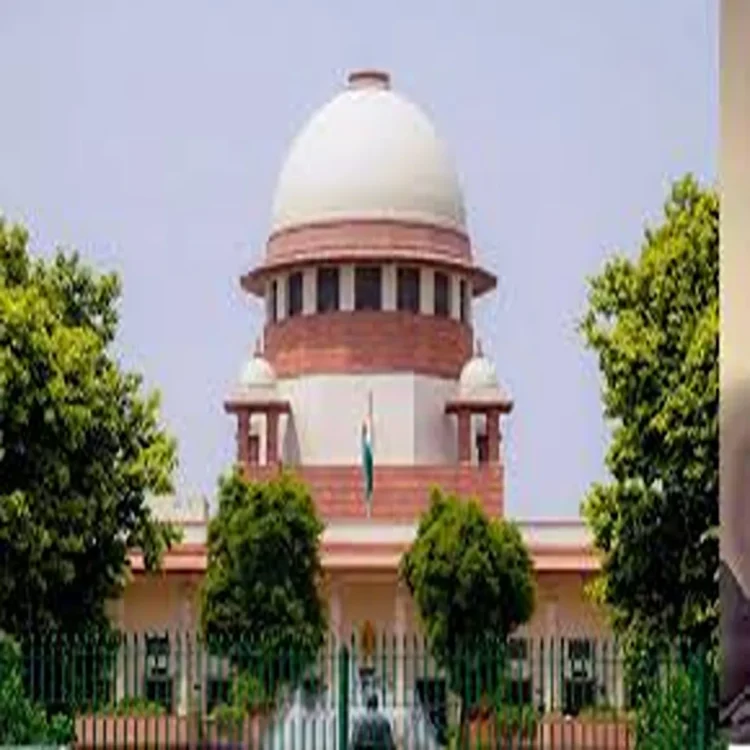
The matter was heard by a bench comprising Justice BV Nagarathna and Justice Ujjal Bhuyan. While the bench initially indicated its reluctance to entertain the petition, it underscored a broader principle that no community in the country should be subjected to hate speech.
Court Emphasises Equality in Protection
During the proceedings, Justice Nagarathna made it clear that the court does not support hate speech in any form. She highlighted that societal values such as education, tolerance, and mutual respect play a crucial role in addressing such issues.
The judge observed that when individuals embrace the principle of fraternity, instances of hate speech are naturally reduced. She stressed that the focus should not be limited to one particular community but should extend to ensuring dignity and respect for all groups.
Petition Withdrawn by Applicant
The petitioner, Mahalingam Balaji, who appeared before the court in person, eventually sought permission to withdraw his plea. The bench allowed this request and formally dismissed the petition as withdrawn.
In its brief order, the court recorded the petitioner’s submission and concluded the matter without further examination of the claims raised in the petition.
Court Questions Selective Protection
At one point during the hearing, Justice Nagarathna questioned the rationale behind seeking legal protection for a specific community alone. She pointed out that legal remedies should not be framed in a way that appears selective or exclusive.
The bench suggested that if there are specific instances of hate speech, they can be addressed through appropriate legal or administrative channels rather than through a broad judicial directive.
Judiciary Not Focused on Social Media Criticism
Balaji also raised concerns about alleged attacks on the judiciary through social media platforms. However, the bench clarified that it was not concerned with such claims in the context of this petition.
The judges indicated that the matter before them was limited to the legal question raised in the plea and not broader allegations about online discourse.
Key Demands Raised in the Petition
In his petition, Balaji had urged the court to direct both the central and state governments to formally recognise hate speech against the Brahmin community as a form of caste-based discrimination punishable under law.
He also called for immediate legal action against individuals or groups involved in such acts. Additionally, the plea sought a detailed investigation into what it described as coordinated campaigns—either domestic or international—allegedly aimed at provoking caste tensions by targeting Brahmins.
Requests for Historical Inquiry and Policy Measures
The petition further included a demand for the establishment of a high-level truth and justice commission. This body, according to the petitioner, would examine historical incidents such as the 1948 violence in Maharashtra involving Brahmins and the 1990 exodus of Kashmiri Pandits.
Balaji also requested recommendations for rehabilitation, economic assistance, and educational support for survivors and their families.
Another key demand was the disqualification of public officials or constitutional authorities found engaging in caste-based hate speech against Brahmins.
Broader Message from the Court
Although the court did not delve into the specifics of the petition, its observations highlighted a consistent position: hate speech is unacceptable regardless of the community it targets. The bench indicated that the solution lies in reinforcing legal frameworks that apply equally to all, rather than creating separate categories of protection.
The proceedings concluded with the withdrawal of the plea, leaving the broader debate on hate speech and caste discrimination to be addressed through existing legal and institutional mechanisms.