
Sanctions – Diplomatic Push Intensifies as Iran Rejects Strait Attack Claims
Sanctions – Tensions surrounding the Strait of Hormuz continued to dominate global attention on Thursday after Iran denied accusations linked to an attack on a South Korean cargo vessel, while the United States signaled renewed hopes for a diplomatic breakthrough to end the ongoing regional conflict.
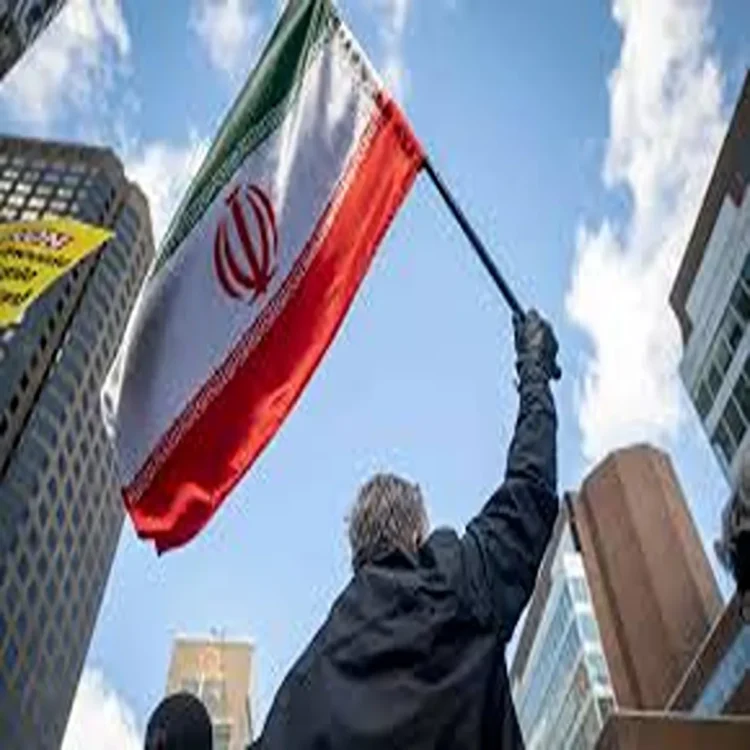
Iran Rejects Allegations Over Cargo Ship Incident
Iran’s embassy in Seoul dismissed claims that its military forces were responsible for an explosion aboard the Panama-registered cargo ship HMM Namu earlier this week. The vessel reportedly caught fire while traveling through the Strait of Hormuz on Monday with 24 crew members onboard.
Tehran described the accusations as baseless and strongly denied any involvement in the incident. The denial came shortly after US President Donald Trump alleged that Iran had targeted the vessel and encouraged South Korea to support international efforts aimed at restoring safe passage through the strategic waterway.
The Strait of Hormuz remains one of the world’s most critical energy shipping routes, and recent disruptions have unsettled global oil markets and heightened geopolitical concerns.
Trump Signals Optimism but Warns of Military Action
Speaking to reporters on Wednesday, Trump said discussions held over the previous day had been constructive and suggested that an agreement to end the conflict could be achievable in the near future.
At the same time, the US president warned that military operations could resume if negotiations collapsed or if Iran failed to comply with future commitments. Washington had earlier paused a limited military campaign intended to secure commercial shipping lanes in the Gulf region.
The conflict, which escalated earlier this year following coordinated US and Israeli military action, has expanded beyond direct confrontations and affected maritime trade, regional stability, and international energy supply chains.
Tehran Reviews New American Proposal
Iranian officials indicated that a fresh proposal from Washington remains under review. Foreign ministry spokesman Esmaeil Baqaei stated that Tehran would communicate its final position through Pakistani mediators once internal consultations were complete.
Iranian parliament speaker Mohammad Bagher Ghalibaf accused the United States of attempting to weaken the country through economic pressure, naval restrictions, and political messaging designed to force concessions from Tehran.
Meanwhile, reports citing unnamed officials suggested both sides were nearing agreement on a preliminary framework that could halt hostilities and reopen broader discussions related to Iran’s nuclear program.
International Diplomacy Gains Momentum
Pakistan’s Prime Minister Shehbaz Sharif expressed optimism that ongoing diplomatic contacts could eventually lead to a durable regional settlement. Islamabad has played an active mediating role in recent weeks as communication between Washington and Tehran continued behind closed doors.
French President Emmanuel Macron also joined diplomatic efforts during a phone conversation with Iranian President Masoud Pezeshkian. Macron criticized attacks affecting civilian shipping and infrastructure near the Strait of Hormuz and urged all parties to remove restrictions affecting maritime movement.
According to Iranian officials, Pezeshkian responded by insisting that a full reopening of the strait would require the United States to ease its naval presence in the region. He also argued that threatening rhetoric from Washington had complicated efforts toward diplomacy.
European Naval Preparations Continue
France has continued military preparations alongside allies amid concerns over shipping security. The French aircraft carrier Charles de Gaulle recently moved through the Suez Canal toward the southern Red Sea, where it may support future multinational operations aimed at protecting maritime routes.
French and British officials are reportedly coordinating broader international planning efforts involving more than 40 countries focused on regional maritime stability.
The deployment is widely seen as a signal that European powers are prepared to contribute to safeguarding commercial navigation if tensions escalate further.
Financial Markets Respond Positively
Global financial markets reacted positively to signs of reduced military activity and renewed diplomatic engagement. Major US stock indexes reached record highs, while Asian markets also posted strong gains on Thursday.
Oil prices, which had surged during earlier stages of the conflict, remained under pressure amid growing expectations that negotiations could ease tensions and reduce risks to global energy supplies.
Despite diplomatic momentum, uncertainty continues across the region as military activity persists in parts of Lebanon and surrounding areas linked to the wider conflict.