
US: H-1B families are trapped overseas due to visa delays as a result of stricter US scrutiny
US: While the Trump Administration has vehemently defended its stricter vetting, claiming that it is a national security necessity, Indian H-1B visa holders are facing months of uncertainty after US consulates in India postponed appointments due to new screening requirements. This development has raised concerns on Capitol Hill.
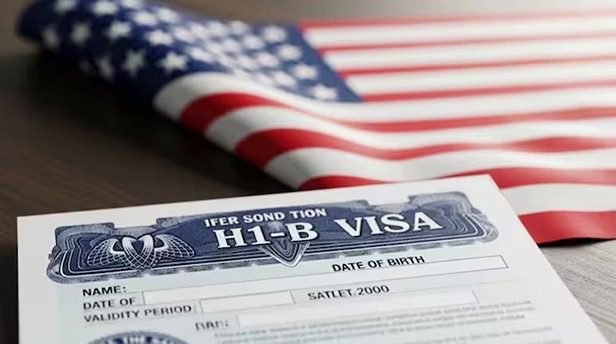
The State Department’s December 3 announcement to extend mandatory online presence reviews to all H-1B applicants and their H-4 dependents, according to Michigan Democrat Congresswoman Debbie Dingell, has resulted in abrupt appointment cancellations and protracted delays, preventing families from returning to the United States even though they have jobs, homes, and children enrolled in school.
Hundreds of families had long-term visa appointments that coincided with year-end travel, which prompted the adjustment.
She said that there is “a serious issue arising throughout the country, including many families in my District whose visa appointments have been delayed multiple months and who are now stuck in limbo, unable to return home” in a letter to Secretary of State Marco Rubio dated December 17.
In one instance, according to Dingell, a family’s visa appointment was rescheduled three months after it was originally planned, with less than 48 hours’ notice.
She stated, “They had already traveled to reach their appointment, and without the new visas, they cannot get back to their lives in the United States.” She also mentioned that if the family was unable to advance their appointment, one American citizen kid would miss months of school. In her letter to Rubio, she said, “They are stuck overseas with no way out.”
Dingell called the situation deplorable and said, “Our children should not be the ones paying for these policy changes with their education.” In order to avoid leaving families in a state of uncertainty, she asked the State Department to provide precise answers about deadlines and protections.
However, the State Department has justified the enhanced screening, arguing that it is necessary to ensure national security and regain control over immigration flows.
In an interview with Fox News, State Department Deputy Spokesperson Tommy Pigott said, “We’re talking about moving past a period in the previous administration where we had hundreds of thousands of people coming into this country every single month, either legally or illegally.” He said that “you cannot sustain that type of program,” assuming appropriate safety and screening criteria.
“We’re putting an end to the era of mass migration,” Pigott said, adding that “it’s often impossible to have that type of vetting criteria that the American people expect” at such levels. We’re going to make sure that we take national security very seriously and that our visa policy prioritizes America.
He emphasized that border enforcement and visa regulation are inextricably linked. “Visa security is fundamentally border security,” Pigott said, adding that while the southwest border receives most of the public’s attention, visa systems also need to keep those who “are going to break our laws, abuse our system, or violate the terms of their visa” from entering the nation.
In her letter to the State Department, Dingell requested a thorough explanation of the department’s intentions for handling cases similar to those in her district, including a schedule for the new online presence review procedure and an estimate of the anticipated duration of evaluations.
The congresswoman called for a reevaluation of the policy’s effects on “vulnerable individuals and families stranded abroad” and asked for a response within two weeks.
The scope of enforcement activities is shown by the fact that up to 95,000 visas were canceled in 2025, including over 8,000 involving overseas students, according to the State Department.