
Shipping – Iran and Oman Move Closer to New Strait of Hormuz Transit Framework
Shipping – Iran and Oman are nearing the completion of an agreement that would introduce a revised navigation system for commercial vessels passing through the Strait of Hormuz.
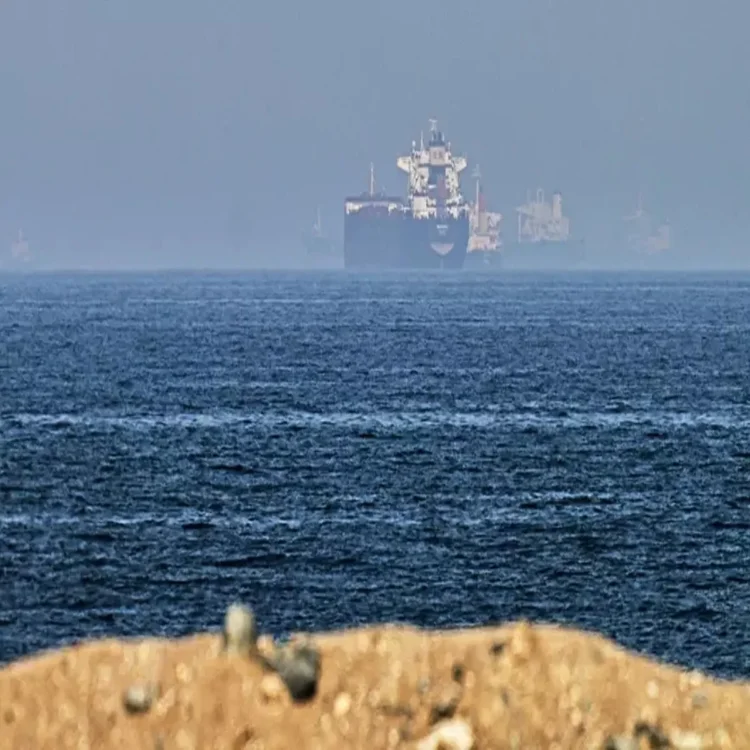
Iran and Oman are close to finalising a new maritime transit arrangement that would temporarily replace the existing northern and southern shipping lanes with a single navigation route located within Iranian territorial waters. According to a senior Iranian official, the proposed system is expected to remain in place for approximately two to four months while broader discussions on regional maritime security continue. The update reflects ongoing efforts by both countries to establish an operational framework for commercial shipping through one of the world’s most strategically important waterways.
Consultations Advance Toward Final Agreement
Speaking to Iran’s official news agency IRNA, Iranian Deputy Foreign Minister for Legal and International Affairs Kazem Gharibabadi said that discussions between Tehran and Muscat have made substantial progress after more than three weeks of negotiations. He stated that both sides have reached a preliminary understanding on nearly all major aspects of the proposal, including the planned entry and exit routes for commercial vessels using the Strait of Hormuz.
The official indicated that technical and legal issues have largely been addressed, bringing the two countries closer to implementing the temporary navigation arrangement. However, he clarified that the proposed changes should not be interpreted as a complete reopening of the strategically significant waterway.
Strait Access Still Subject to Existing Restrictions
Gharibabadi emphasised that while the new route would facilitate commercial transit, existing restrictions linked to regional security concerns remain in place. He noted that the planned arrangement is intended to regulate maritime movement under current conditions rather than restore unrestricted access to the strait.
The Strait of Hormuz remains one of the world’s busiest energy shipping corridors, making any changes to navigation procedures closely watched by governments and international markets.
Iran Rejects Claims of Direct Negotiations
Addressing diplomatic developments, the Iranian deputy foreign minister dismissed claims from the United States suggesting that formal negotiations are underway. He said Iran has instead received messages from Washington indicating a willingness to honour commitments outlined in the peace memorandum of understanding signed between the two countries in June.
His remarks underscored Tehran’s position that any future progress depends on practical actions rather than public statements.
Reopening Depends on Implementation of Commitments
Separately, a source familiar with the Iranian negotiating process told the semi-official Fars news agency that the full reopening of the Strait of Hormuz remains tied to concrete implementation of commitments by the United States.
The source also dismissed speculation linking the recent removal of sanctions on an Iraqi airline by the US Treasury Department to the memorandum of understanding between Tehran and Washington, saying the two developments are unrelated.
Background of Regional Tensions
Iran strengthened control over the Strait of Hormuz on February 28 by restricting the safe passage of vessels associated with the United States and Israel. The move followed joint military strikes carried out by the two countries on Iranian territory.
Last month, the United States launched several rounds of military strikes targeting Iranian sites, stating that the operations were intended to reduce Iran’s ability to threaten commercial shipping after attacks on vessels operating in the strait.
Iran later responded with missile and drone strikes aimed at US military bases and facilities across the region, further escalating tensions. Despite the ongoing security concerns, the latest discussions between Iran and Oman indicate continued diplomatic efforts to establish a structured system for commercial shipping while broader geopolitical issues remain unresolved.