
Popular Singer James: Concert Cancelled in Dhaka After Violent Unrest Sparks Cultural Shockwaves
Popular Singer James: Violent unrest near the venue abruptly halted a much-awaited live music event featuring renowned Bangladeshi singer James in Dhaka. The incident occurred on Friday evening when an aggressive mob attacked the concert location, creating chaos and forcing organizers to cancel the show for safety reasons. What was supposed to be a night of music and celebration instead turned into a moment that highlighted the growing tension surrounding cultural expression in the country.
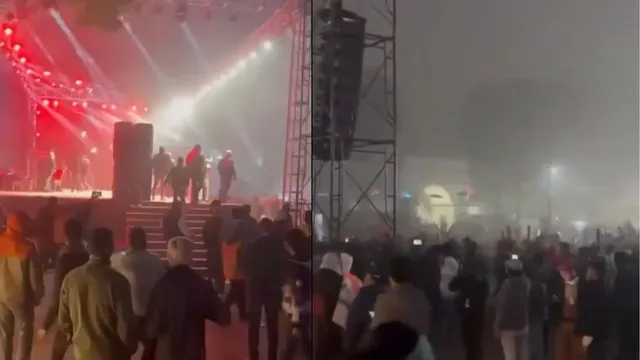
Incident at the Convention Centre
The concert was scheduled to take place at the Bashundhara International Convention Centre, one of the most prominent event venues in Dhaka. As fans gathered in large numbers, the situation outside the venue quickly deteriorated. Protesters reportedly breached security barriers and clashed with event staff and law enforcement personnel. The escalating disorder made it impossible to ensure the safety of the audience, artists, and crew, leading authorities and organizers to call off the event entirely.
Background of the Protests
The violence surrounding the concert did not occur in isolation. It was closely linked to ongoing protests in Dhaka and other parts of the country following the lynching of Dipu Chandra Das. This tragic killing triggered widespread anger and demonstrations, with protest groups demanding justice and accountability. While many protests remained peaceful, certain gatherings turned aggressive, and the concert venue unfortunately became one of the flashpoints for this unrest.
Impact on Artists and Fans
The sudden cancellation deeply disappointed thousands of fans who had been eagerly waiting to see James perform live. Known for his long-standing influence on Bangladeshi rock music, James has a dedicated fan base across generations. For many attendees, the concert represented not just entertainment but also a rare opportunity to experience live music during a period already marked by uncertainty and social tension.
James himself expressed profound sadness over the incident. He conveyed that he was heartbroken by the violence and regretted that circumstances prevented him from performing. His reaction reflected the frustration felt by many artists who increasingly find their creative work disrupted by instability and fear.
Cultural Voices Raise Concerns
https://x.com/salah_shoaib/status/2004673329211605007?s=20
The incident also drew strong reactions from writers and cultural commentators. Author Taslima Nasreen publicly criticized the growing hostility toward cultural events, stating that extremist elements were creating an environment where music, art, and free expression were under threat. She pointed out that several cultural institutions had been attacked or destroyed in recent times, painting a grim picture of the challenges faced by artists in Bangladesh.
Nasreen further highlighted that such incidents are discouraging not only local performers but also international artists of Bangladeshi origin. According to her, a noted classical musician with roots in the famous Maihar tradition recently left Dhaka without performing, citing concerns about the safety of artists and cultural spaces. Statements like these have intensified the debate around freedom of expression and the protection of cultural heritage in the country.
Broader Implications for Cultural Freedom
The cancellation of James’s concert has become symbolic of a larger issue. Music, theater, and other forms of artistic expression have historically played a crucial role in shaping progressive thought and social dialogue in Bangladesh. Repeated disruptions and attacks on such events raise serious questions about the future of cultural life and the ability of artists to work without fear.
As authorities continue efforts to restore order and address the root causes of the protests, many observers believe that safeguarding cultural spaces must be a priority. Without security and freedom, creative communities risk being silenced, and society as a whole loses an important platform for unity and expression.
Looking Ahead
For now, fans and artists alike are left hoping that stability will return and that music stages will once again become places of joy rather than conflict. The cancelled concert serves as a reminder that cultural expression is deeply connected to social peace, and protecting it is essential for a healthy and inclusive society.