
PoliticsUK – British Local Elections Deepen Pressure on Keir Starmer Leadership
PoliticsUK – Britain’s political landscape is facing renewed uncertainty as voters across England, Scotland, and Wales head to polling stations in elections that could reshape the future of Prime Minister Keir Starmer’s government.
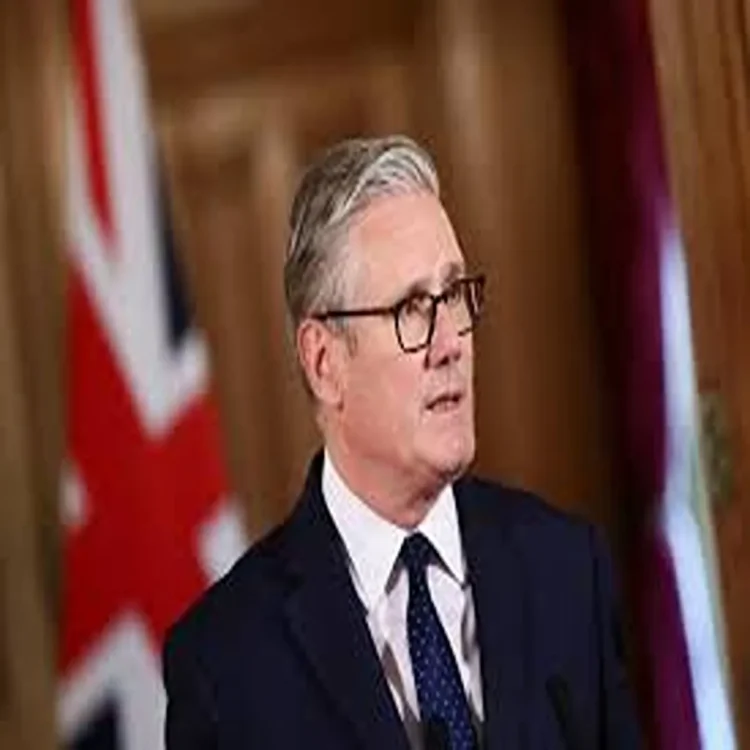
British voters are taking part in a major round of local and regional elections on Thursday, with early expectations pointing toward significant setbacks for the ruling Labour Party. The results are being closely watched not only as a measure of public opinion but also as a potential warning sign for Starmer’s leadership less than two years after his party secured a commanding national election victory.
Political analysts believe dissatisfaction over economic pressures, public services, and leadership decisions has weakened support for Labour in several parts of the country. Rival parties from across the political spectrum are attempting to capitalize on the growing frustration among voters.
Changing Mood Among Voters
Recent polling has indicated that Labour could lose a substantial number of council seats across England. The party is also expected to face difficult contests in Scotland and Wales, where regional and nationalist parties have gained momentum in recent months.
Keir Starmer entered office with promises of economic stability and improvements to public services, but critics argue that many voters have yet to see meaningful progress. Rising living costs and ongoing financial concerns continue to influence public opinion, while internal disputes and controversial appointments have further complicated the government’s position.
One of the most debated decisions involved the appointment of Peter Mandelson as Britain’s ambassador to Washington, a move that attracted criticism from both political opponents and some Labour lawmakers. The controversy added to broader concerns about judgment and leadership inside the party.
Pressure Growing Inside Labour
Several political experts believe these elections may become a defining moment for Starmer’s future. A disappointing performance could encourage senior Labour figures to consider a leadership challenge in the months ahead.
Although the next UK general election is not required until 2029, poor local election results often influence party stability and long-term strategy. Reports suggest some Labour members are already questioning whether the current leadership can recover public confidence before the next national campaign begins.
Potential successors frequently mentioned in political discussions include Health Secretary Wes Streeting, former Deputy Prime Minister Angela Rayner, and Greater Manchester Mayor Andy Burnham. However, any formal challenge would require strong parliamentary backing before a leadership contest could take place.
Experts say Labour lawmakers may hesitate to act immediately, but continued electoral setbacks could increase pressure on the party leadership over time.
Rise of Smaller and Regional Parties
The elections are also highlighting a broader shift in British politics. For decades, national politics in the United Kingdom was largely dominated by Labour and the Conservative Party. That traditional structure now appears to be weakening as smaller parties gain support across different regions.
Reform UK, led by Nigel Farage, has attracted growing backing in several working-class communities that previously supported Labour. Meanwhile, the Green Party is expected to improve its standing in urban areas, particularly in London.
In Wales and Scotland, nationalist parties are also benefiting from the changing political climate. Plaid Cymru in Wales and the Scottish National Party continue to push for greater regional authority and political independence.
Plaid Cymru leader Rhun ap Iorwerth has argued that Britain’s political structure requires major reform, saying many voters no longer believe the traditional system reflects their interests.
Debate Over the Future of the United Kingdom
The elections may also influence discussions surrounding the constitutional future of the UK. In Scotland, the Scottish National Party has indicated it could seek another independence referendum if it secures strong electoral support.
Welsh politics is also entering a new phase. Labour has historically dominated governance in Wales for decades, but current polling suggests Plaid Cymru and Reform UK could make major gains.
While Plaid Cymru is not currently demanding an immediate independence vote, the party continues to advocate for increased financial and political powers for Wales. Political observers say these developments underline growing divisions within the United Kingdom and signal a more fragmented political era ahead.